Troubleshoot a Dead Outlet Before Calling for Help
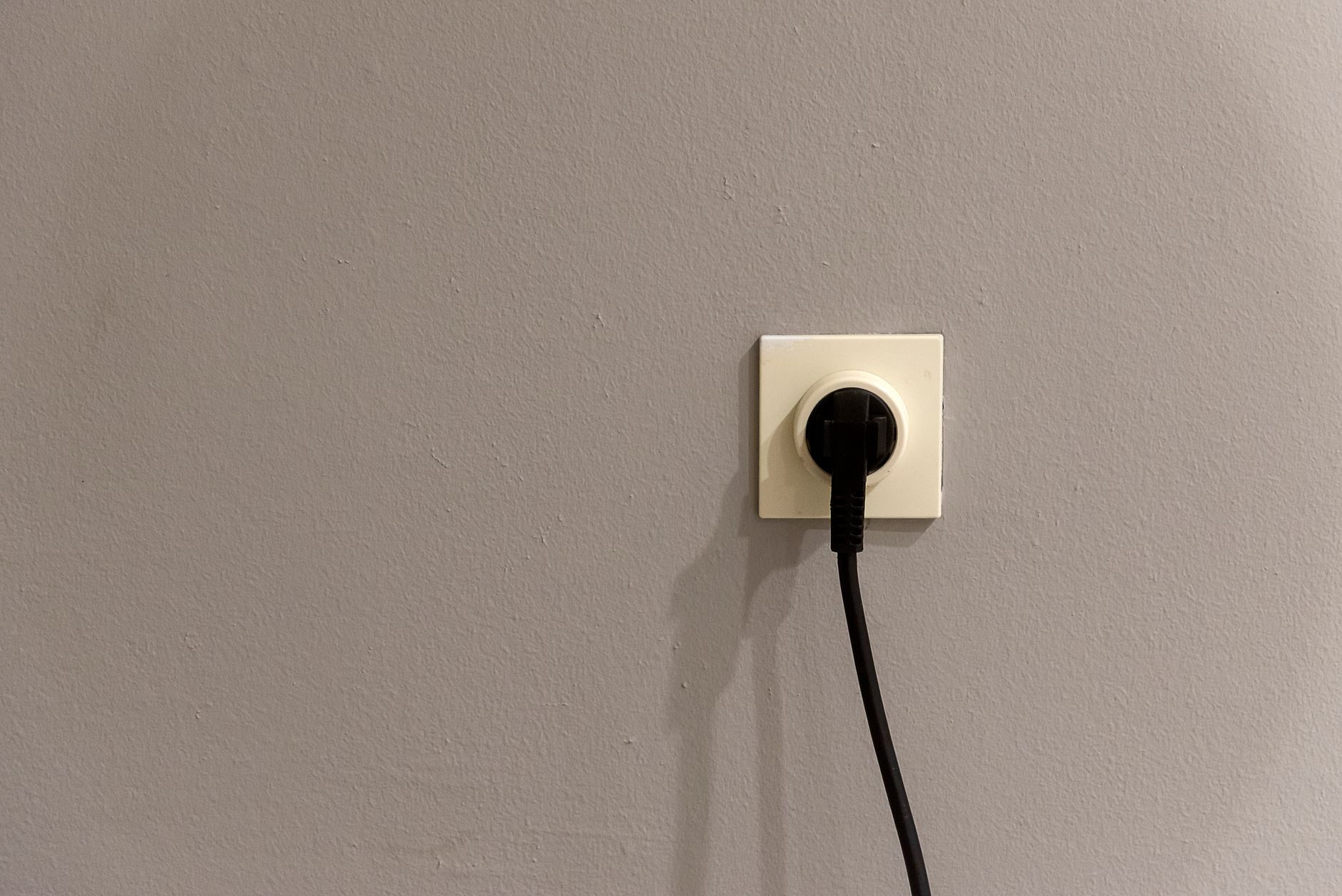
An outlet in our living room stopped working. I assumed the worst — bad wiring, maybe even a problem in the wall. I almost called an electrician. My father-in-law came over, pressed a button in the bathroom, and the outlet started working again. It took him four seconds.
The outlet was on a GFCI circuit and the GFCI had tripped. I did not know GFCI outlets in one room could control outlets in another room. Now I do. Here is how to troubleshoot a dead outlet systematically before you spend money on a service call.
Step 1: Check Every GFCI in the House

GFCI outlets have two buttons — TEST and RESET. They are usually in bathrooms, kitchens, garages, basements, and outdoor locations. But they protect downstream outlets too — meaning a tripped GFCI in the bathroom can kill power to an outlet in the hallway.
Walk through the entire house. Press the RESET button on every GFCI outlet you find. You should feel a click when it resets. Then test the dead outlet again.
This fixes maybe 40% of dead outlet calls. It is the first thing an electrician checks. Do it yourself and save the service fee.
Step 2: Check the Breaker Panel
A tripped breaker does not always look tripped. It might sit in a middle position that looks almost “on.” Flip the breaker fully OFF, then back ON. Do this for every breaker that might control that outlet — not just the one labeled for that room. Breaker labels are often wrong.
If the breaker trips again immediately when you reset it, stop. You have a short circuit somewhere. That is the point where you actually need an electrician.
Step 3: Check for a Switched Outlet
Some outlets are controlled by a wall switch — usually one half of the outlet, sometimes the whole thing. Look for light switches in the room that do not seem to control anything. Flip them and test the outlet again.
In living rooms, it is common for one outlet to be switch-controlled for a floor lamp. If you recently rearranged furniture, you might have unplugged the lamp that made the switch’s purpose obvious.
Step 4: Test the Outlet Itself
If GFCI reset and breaker check do not fix it, plug a lamp or voltage tester into both the top and bottom sockets of the dead outlet. Sometimes only one half is dead — which means the outlet itself has failed internally.
Replacing an outlet costs about three dollars and takes ten minutes if you are comfortable with basic electrical work. If not, this is the point where calling someone makes sense.
When to Actually Call
If the outlet is warm to the touch, smells like burning, or makes crackling sounds — turn off the breaker and call an electrician. Do not try to fix these. They are fire hazards.
📋 Quick Summary: Check all GFCI outlets first — they control downstream outlets too. Flip every breaker fully off then on. Test for switched outlets. Replace the outlet if only one socket is dead. Call an electrician for heat, smell, or crackling sounds.