Tighten Wobbly Chairs and Tables in 5 Minutes
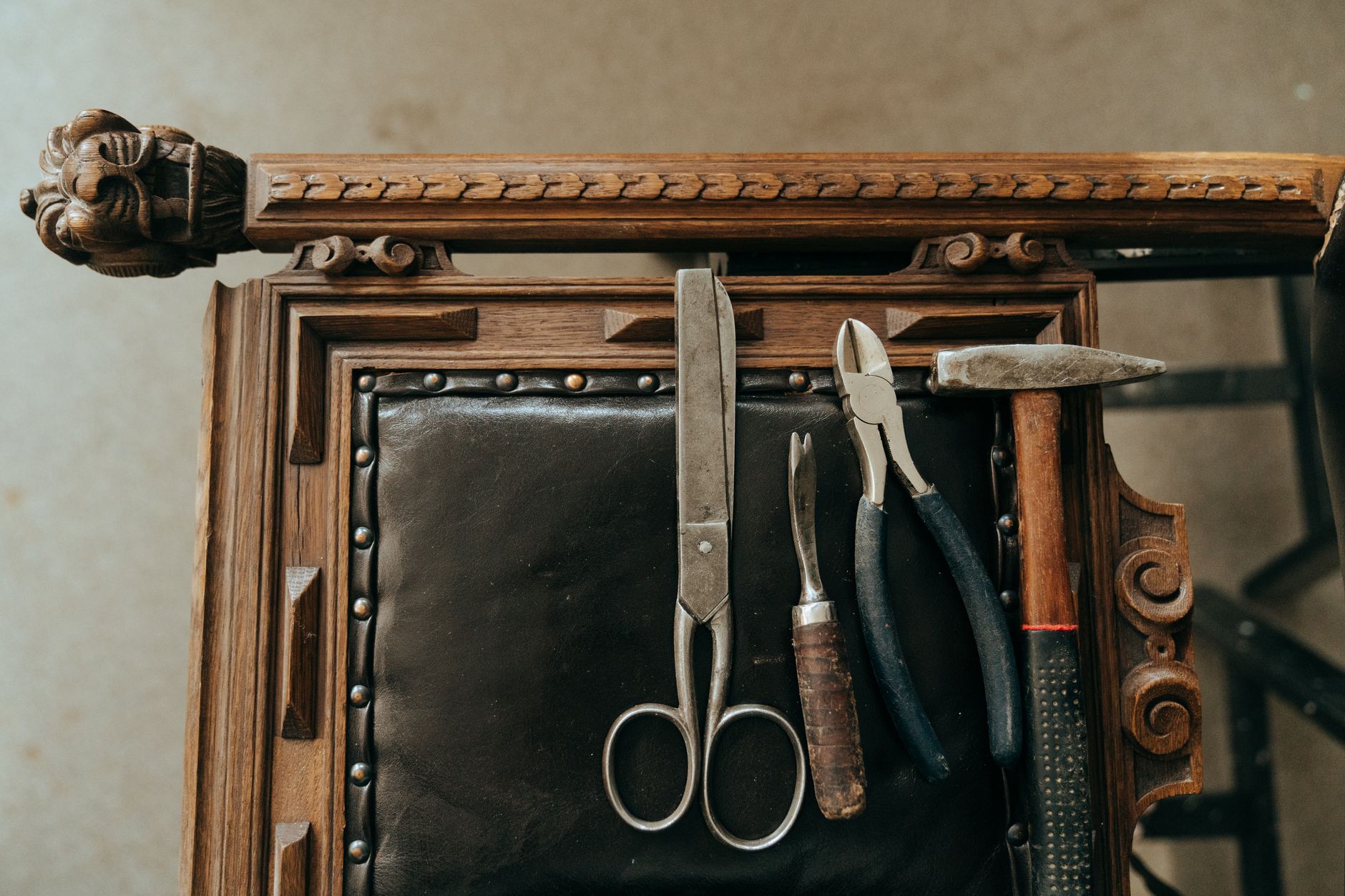
I had a dining chair that wobbled for two years. Every dinner guest got a warning: “That one wobbles, just lean left.” Some guests forgot and did the startled grab-the-table move. I kept meaning to fix it. Kept not fixing it. Finally I flipped it over on a Saturday morning and fixed it properly in less than ten minutes. Two years of apologizing to dinner guests solved in the time it takes to boil water.
A wobbly chair is almost always a loose joint. The fix is simple. The hard part is identifying which joint is loose — and there is a trick for that.
Find the Loose Joint
Flip the chair upside down. Grab two legs and try to twist them in opposite directions. Watch the joints where the legs meet the seat and where the crossbars meet the legs. The loose joint will move — you will see a hairline gap open and close. That is your target.
If twisting does not reveal it, sit in the chair and wobble while someone else watches the joints from floor level. Mark the loose one with a piece of tape so you do not lose it when you flip the chair back over.
The Fix Depends on the Joint Type
For screw joints — common on modern furniture — just tighten the screw or bolt. Use the right driver. If the screw hole is stripped (the screw spins without tightening), remove the screw, fill the hole with a toothpick dipped in wood glue, let it dry for an hour, then screw it back in. The toothpick gives the screw new wood to bite into.
For glued joints — common on older chairs — you need to reglue. If the joint is loose enough to pull apart slightly, work wood glue into the gap with a toothpick or the tip of a zip tie. Then clamp it tight and wipe the excess glue with a damp cloth. Let it cure overnight. Do not sit in it before the glue is fully cured or you undo the repair.
If the joint is too tight to get glue into, you can carefully drill a tiny hole at an angle into the joint, inject glue with a syringe, then plug the hole with a dowel or wood filler. This is the “pro” fix but it is not hard — it just requires a drill and a glue syringe, both available for under ten dollars total.
For Corner Blocks
Some chairs have triangular wooden blocks screwed into the corners where the legs meet the seat. These blocks are structural — they prevent racking. If a block is loose, remove it, clean off the old glue, apply new wood glue, and screw it back in. Tightening just the screws is a temporary fix — the glue is what does the real work.
For Tables
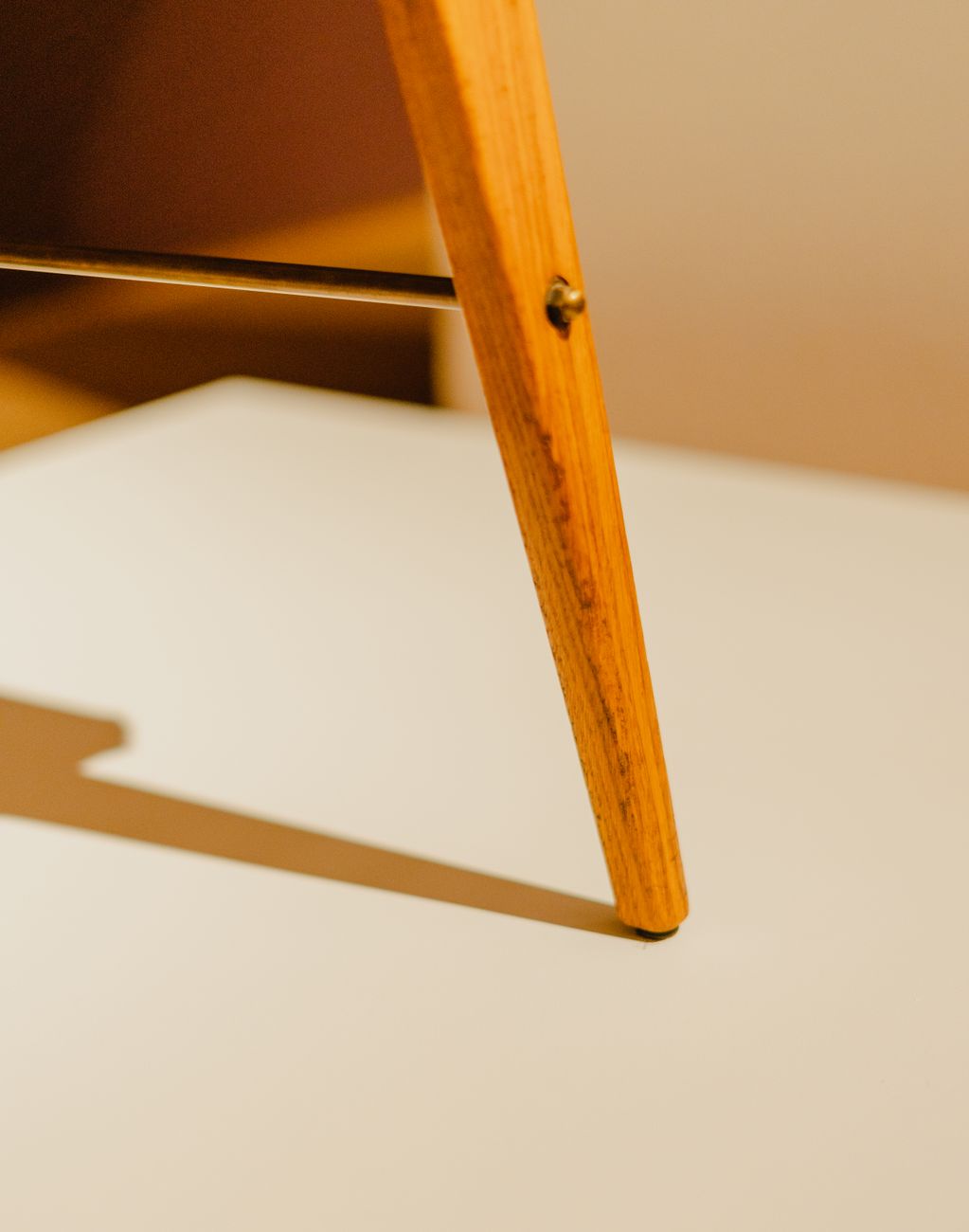
The same principles apply. Flip the table, check every joint, tighten screws, reglue loose joints. Table legs often have a bolt accessible from underneath — tighten it with a wrench. If the table is still wobbly after tightening all the leg bolts, check the feet. Uneven feet can make the entire table wobble even when all the joints are tight. Stick felt pads on the short leg to level it. Or, more permanently, sand the long leg down slightly.
I fixed four chairs in an hour. Two needed screw tightening, one needed a toothpick in a stripped hole, one needed regluing. Total cost: three toothpicks and some wood glue I already had. My dinner guests now sit in confidence.
📋 Quick Summary: Flip the chair, twist the legs to find the loose joint. Tighten screws, or toothpick + glue for stripped holes, or reglue loose joints. Corner blocks need glue, not just screws. Felt pads level uneven table legs.