How to Unclog a Sink Drain Without Harsh Chemicals
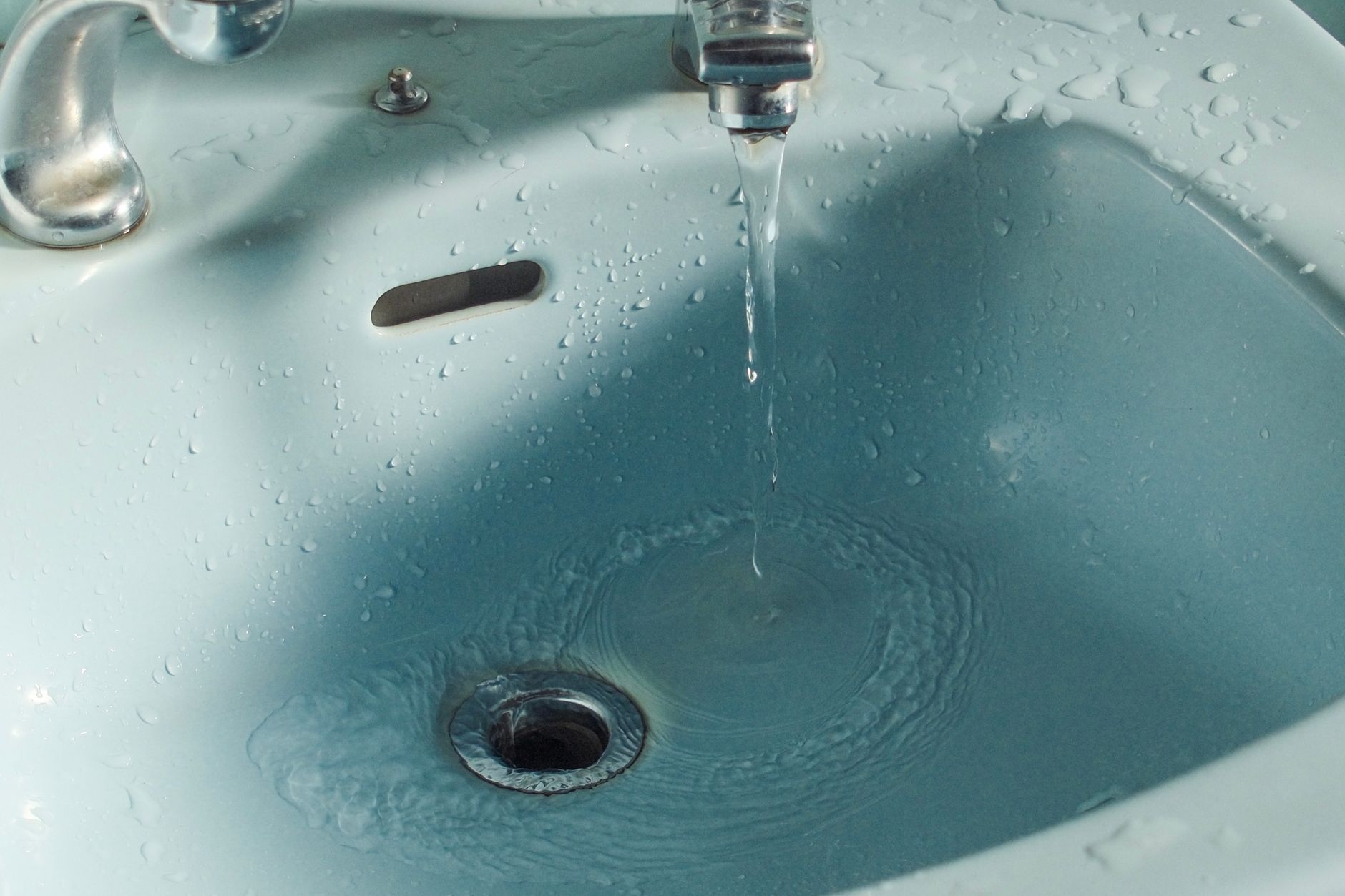
My bathroom sink backed up on a Sunday night. The hardware store was closed. I had no drain cleaner under the cabinet because I threw it out after reading the warning label that basically said “do not touch anything including air.” So I stood there staring at a pool of gray water that would not go down, armed with nothing but Google and whatever was in the kitchen.
Turns out I had everything I needed. The clog was gone in twenty minutes, no chemicals, no emergency plumber call. Here is what worked — in the order you should try it.
Step One: Boiling Water (Try This First)
Boil a full kettle of water. Pour it down the drain in two or three stages — not all at once. Give each pour about ten seconds to work before the next one. Hot water alone often dissolves soap scum and grease buildup that creates slow drains.
This works for about half of all slow drains. If the water still pools, move to step two. Do not use boiling water if you have PVC pipes — the heat can soften the joints. Hot tap water is safe for PVC.
Step Two: The Plunger (Yes, for Sinks)
You need a cup plunger — the flat-bottomed kind, not the flange plunger for toilets. If there is an overflow hole near the top of the sink, cover it with a wet rag. The plunger needs a sealed system to create suction. Without covering the overflow, you are just pushing air out that hole.
Fill the sink with enough water to cover the plunger cup — about two inches. Position the plunger directly over the drain. Push down slowly to seal, then pump vigorously ten to fifteen times. On the last pump, yank the plunger up sharply. You should hear a gurgle — that is the clog breaking free. Run hot water to flush the debris through.
Step Three: Baking Soda and Vinegar
If the plunger fails, reach for the pantry. Pour half a cup of baking soda directly into the drain. Follow with half a cup of white vinegar. Immediately cover the drain with a plug or a rag — you want to force the foaming action downward into the pipes, not up into the sink.
Let it work for fifteen minutes. The fizzing loosens organic gunk and soap buildup. Uncover and flush with a kettle of boiling water or hot tap water. I have cleared stubborn bathroom sink clogs — mostly hair and toothpaste sludge — with one round of this.
Step Four: Clean the P-Trap
If nothing above works, the clog is probably physical — hair, a ring, a small toy. Place a bucket under the U-shaped pipe under the sink — that is the P-trap. Unscrew the slip nuts by hand or with pliers wrapped in a rag to prevent scratching. Remove the trap, dump the contents into the bucket, and prepare to be disgusted. Reassemble and run water to test.
I found a hairball the size of a mouse in my P-trap. It had been accumulating for years. No chemical would have dissolved it. Sometimes you just have to get your hands dirty.
📋 Quick Summary: Unclog a sink drain by trying boiling water first, then a cup plunger (cover overflow holes), then baking soda and vinegar (cover drain, wait 15 minutes), and finally remove and clean the P-trap. None of these methods use harsh chemicals.