How to Get Your Garden Ready for Spring in One Weekend
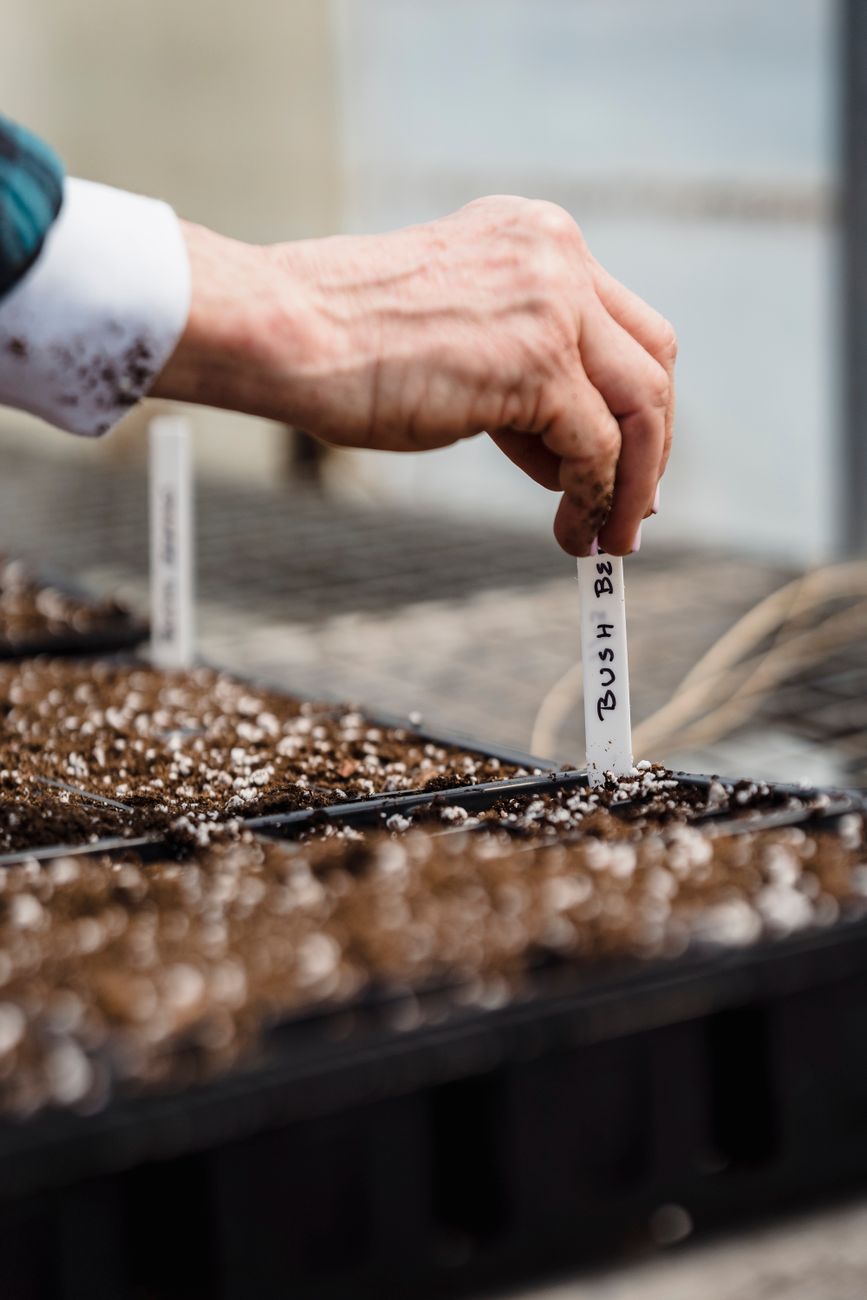
Last spring I waited until mid-April to start my garden prep. By the time my beds were ready, the good tomato starts at the nursery were gone. I ended up with leggy seedlings that never really produced. This year I did everything in one focused weekend — late March — and the difference was night and day.
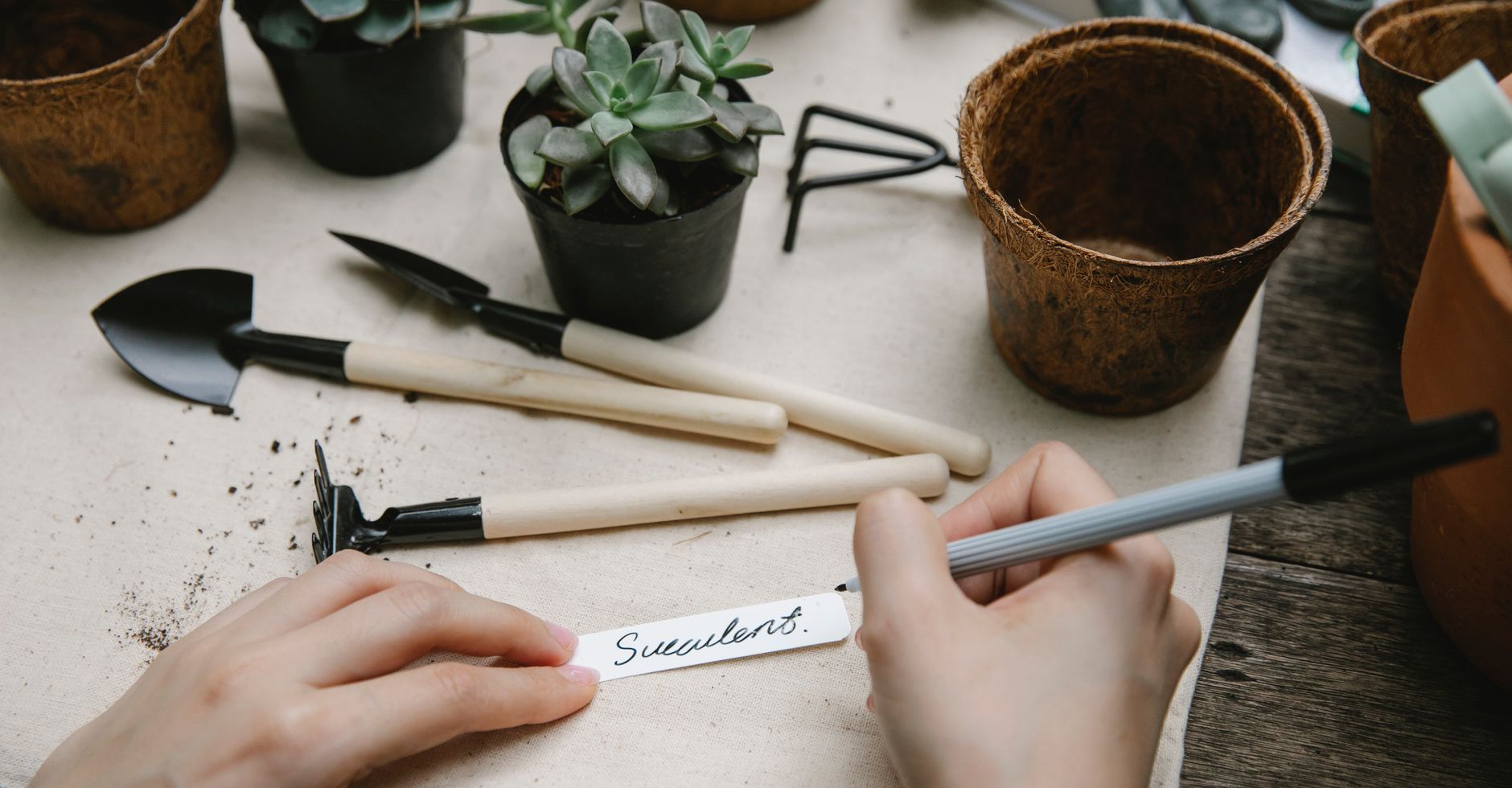
Saturday morning: clear and assess
Start by pulling out anything dead. Last year’s annuals, dead perennial stems, weeds that got established over winter. Do not compost diseased plant material — that goes in the trash. Powdery mildew and blight spores survive composting and will infect your new plants.
While you are clearing, take notes. Which areas get full sun now that the sun angle has shifted? Which spots stay wet? Your garden in March looks different than it did in August. Use your phone to take pictures of each bed — you will forget by planting time.
Saturday afternoon: soil work
Do not till. Tilling destroys soil structure and brings dormant weed seeds to the surface. Instead, loosen the top few inches with a garden fork — just wiggle it back and forth, do not turn the soil over. Then spread two inches of compost on top. The worms and rain will work it in for you.
If you do not make your own compost, buy bagged compost labeled “organic” or “plant-based.” Avoid anything labeled “biosolids” — that is treated sewage sludge, and it can contain heavy metals.
Sunday morning: prune and edge
Prune summer-flowering shrubs now (butterfly bush, rose of Sharon, panicle hydrangea). Leave spring bloomers alone — forsythia, lilac, azalea — until after they flower. Cut back ornamental grasses to about four inches. Edge your beds with a half-moon edger or spade. Clean edges make any garden look intentional, even before anything is blooming.
Sunday afternoon: plan and plant
Cool-season crops can go in now: lettuce, spinach, peas, radishes, kale. These handle light frosts fine. For warm-season crops like tomatoes and peppers, wait until after your last frost date. But you can prep their beds now — mark where each crop will go, set up trellises and tomato cages so you are not scrambling later.
One thing I started doing: plant a row of marigolds along the border of every vegetable bed. They deter some pests and they bloom all summer. Cheap insurance.
📋 Quick Summary: Clear dead plants, add compost without tilling, prune summer bloomers, edge your beds, and plant cool-season crops. Do it all in one March weekend and you will be ahead of the season.