How I Fixed My Terrible Sleep Schedule Without Taking a Single Pill

📋 Quick Summary
For about three years, my sleep was a disaster. I’d get into bed at midnight, stare at the ceiling until 2 AM, finally drift off, and then drag myself out of bed at 7:30 feeling like I’d been hit by a truck.
For about three years, my sleep was a disaster. I’d get into bed at midnight, stare at the ceiling until 2 AM, finally drift off, and then drag myself out of bed at 7:30 feeling like I’d been hit by a truck. Weekends were worse — I’d sleep until 11 AM to “catch up,” which just made Monday morning even more painful. I tried melatonin, which gave me vivid nightmares. I tried sleep teas, which tasted like dirt and did nothing. I was resigned to being a “bad sleeper” as a permanent identity.
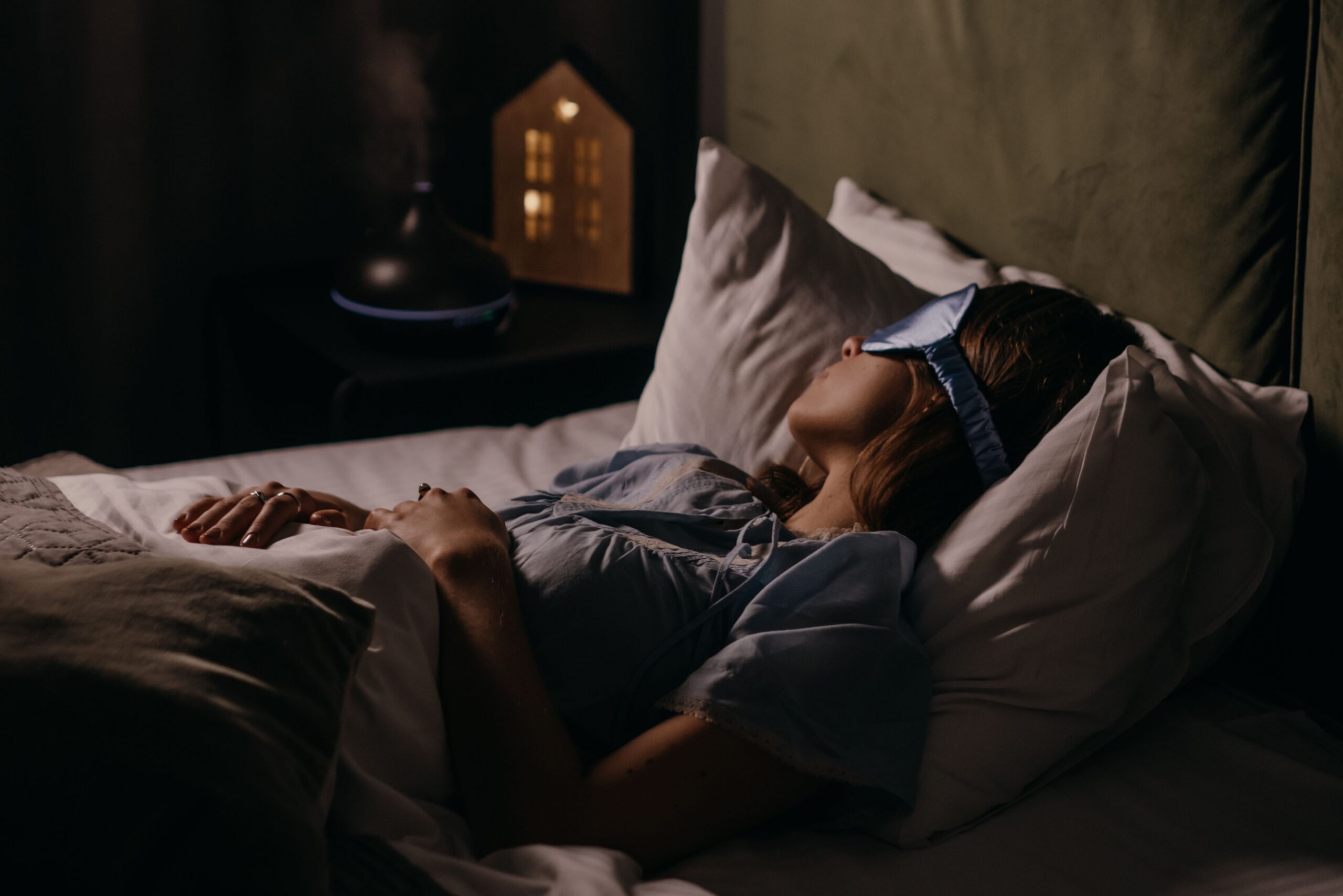
The change started not with a supplement or a gadget, but with a book. I found a copy of “Why We Sleep” by Matthew Walker at a used bookstore, and within the first chapter, I understood that my sleep problems were mostly behavioral. I wasn’t broken. I was just doing almost everything wrong.
The first and hardest change was consistency. Walker’s research shows that going to bed and waking up at the same time every day — including weekends — is more important than total hours slept. This meant no more sleeping until 11 AM on Saturdays. The first weekend was brutal. I set an alarm for 7 AM on a Saturday and genuinely resented every decision that had led to that moment. But by Sunday night, I fell asleep within fifteen minutes of getting into bed, something that hadn’t happened in years.
Light management was the second revelation. I had been scrolling on my phone in bed for at least an hour every night, blasting my eyes with blue light that was telling my brain it was noon. I bought a cheap pair of blue-light blocking glasses for evening wear and started putting my phone on a charger in the living room at 9 PM. The first few nights felt like withdrawal. I’d reach for my phone instinctively and find empty nightstand. But within a week, my bedtime racing thoughts had calmed considerably.
Temperature turned out to be more important than I realized. Our bodies need to drop core temperature by about two degrees Fahrenheit to initiate sleep. I had been sleeping in a warm room with heavy blankets because it felt cozy, but cozy and sleep-conducive are not the same thing. I lowered my thermostat to 65 degrees at night and switched to lighter bedding. The difference was noticeable within days.
The morning sunlight habit was the piece that tied everything together. Within thirty minutes of waking, I now spend ten to fifteen minutes outside — drinking coffee on the porch, walking the dog, anything that gets natural light into my eyes. This anchors the circadian rhythm and makes the evening wind-down much easier. On rainy days, I sit by a bright window instead. It’s not as effective, but it helps.
Three months into these changes, I’m falling asleep reliably within twenty minutes and waking up before my alarm, genuinely rested. I haven’t taken a single supplement or sleep aid. The changes cost nothing except discipline, and the return on that investment — better mood, sharper thinking, more energy — has been enormous. I’m not a “bad sleeper” anymore. I just needed to stop fighting my biology and start working with it.