Fall Leaf Cleanup Tricks That Save Your Back
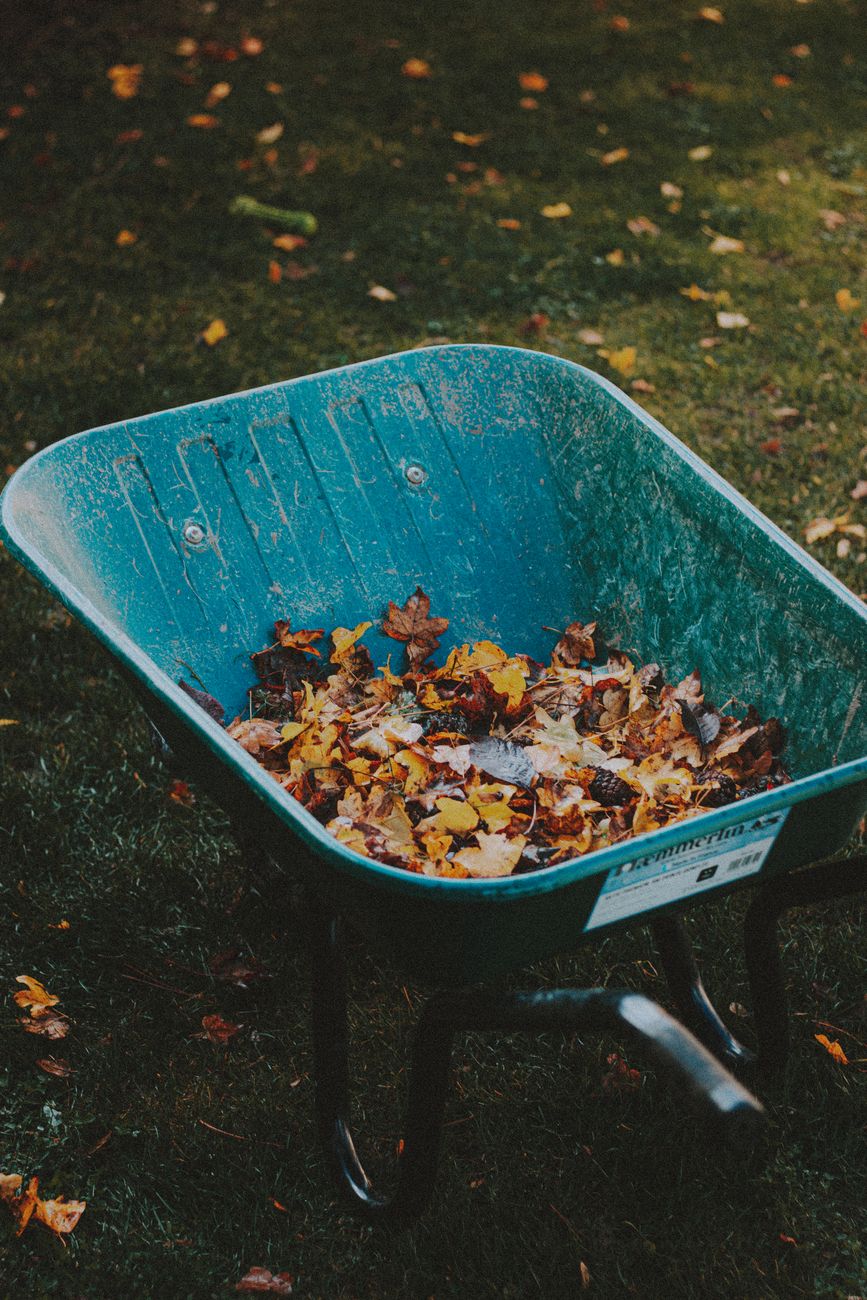
The first fall in my house, I raked for six hours and could not stand up straight for two days. I was thirty-two years old moving like an eighty-year-old. My neighbor — a retired landscaper in his seventies — watched me suffer for about an hour before he wandered over with a smirk and a thermos of coffee.
“You are working twice as hard as you need to,” he said. He was right. Here is what he taught me.
Stop raking wet leaves
Wet leaves weigh three times as much as dry leaves. They clump, they stick to the rake, they clog everything. Wait for a dry day. If it rained yesterday, give the lawn a full day of sun before you start. The difference between raking wet and raking dry is the difference between shoveling wet sand and sweeping dust.
Mow, do not rake
A mulching mower turns leaves into confetti-sized pieces that fall between the grass blades and decompose into free fertilizer. No bagging, no raking, no bending over. Just mow over the leaves once a week during peak fall. The leaf bits vanish into the lawn within days.
If the leaves are thick enough to smother the grass — more than an inch deep — mow them into a pile first, then run the mower over the pile a few times to shred. Rake the shreds into garden beds as mulch. They suppress weeds and break down into rich soil by spring.
Use a tarp, not a bag
Raking into a pile is one thing. Getting the pile into bags is another — and it is where most back strain happens. Lay a large tarp on the ground, rake the leaves onto it, grab two corners, and drag. One tarp load holds as much as five bags and requires zero bending over. Empty it onto a compost pile or into yard waste bins.
The right rake nobody told me about
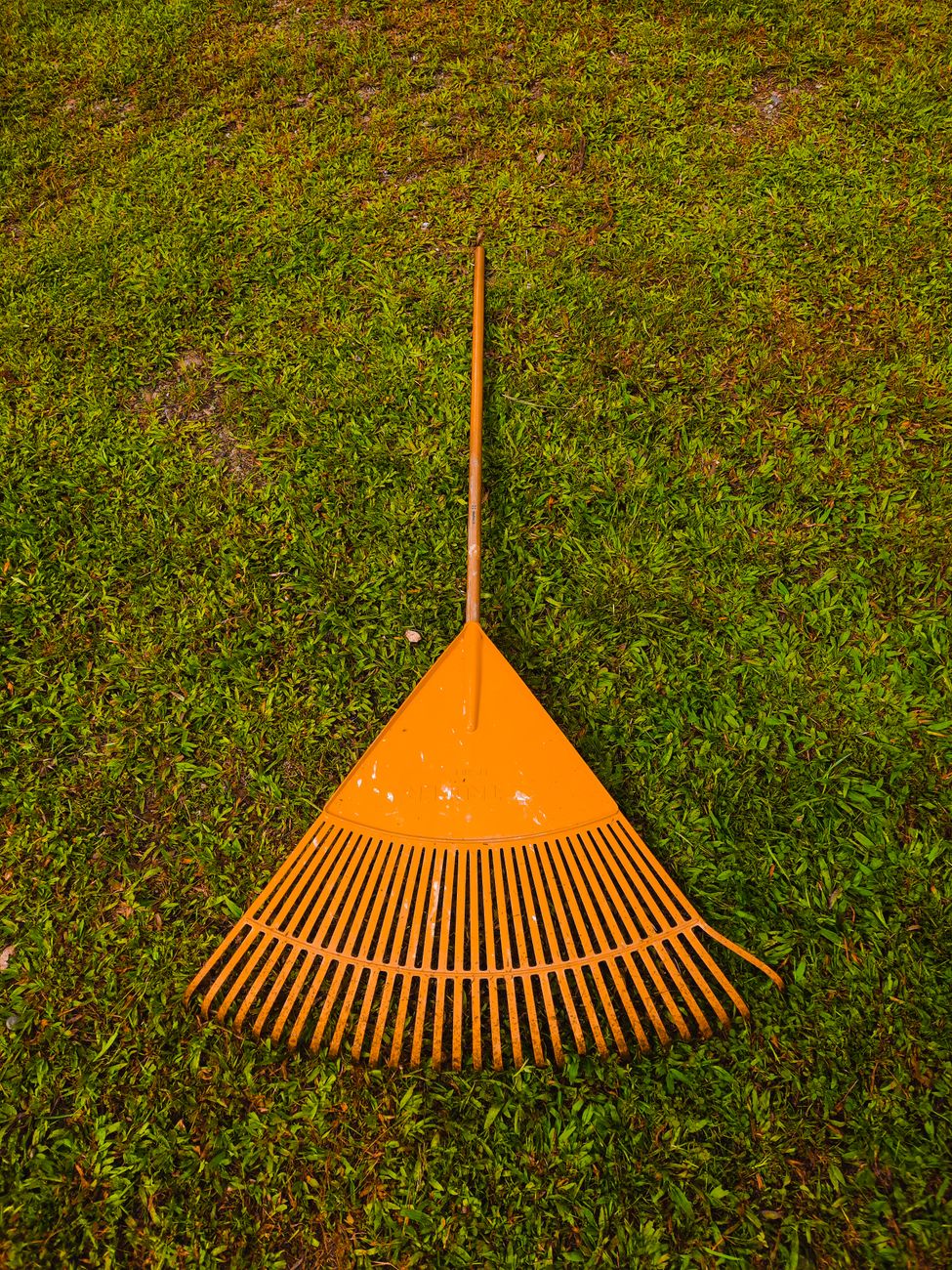
I used a cheap plastic leaf rake with fixed tines for years. It was heavy and the tines bent. A good rake has a few features:
- Spring-steel tines. They flex without bending permanently.
- Wide head. Twenty-four to thirty inches. Covers more ground per stroke.
- Ergonomic handle. A curved shaft reduces the amount you have to bend your back.
An upgrade costs twenty to thirty dollars and pays for itself in ibuprofen savings.
Gutters first, then ground
Clean your gutters before raking the lawn. Gravity puts the gutter leaves on the ground anyway. If you rake first, you do it twice. Flush the downspouts while you are up there — a clogged downspout backs up water that freezes in winter and splits the pipe.
I still do not love raking leaves. But I can do my whole yard in an hour and walk normally the next day. That is enough.
Quick Summary: Wait for dry leaves. Mulch with a mower instead of raking when possible. Drag leaves on a tarp instead of bagging. Use a spring-steel ergonomic rake. Clean gutters first.