Winterize Your Home in One Weekend for Under Fifty Dollars
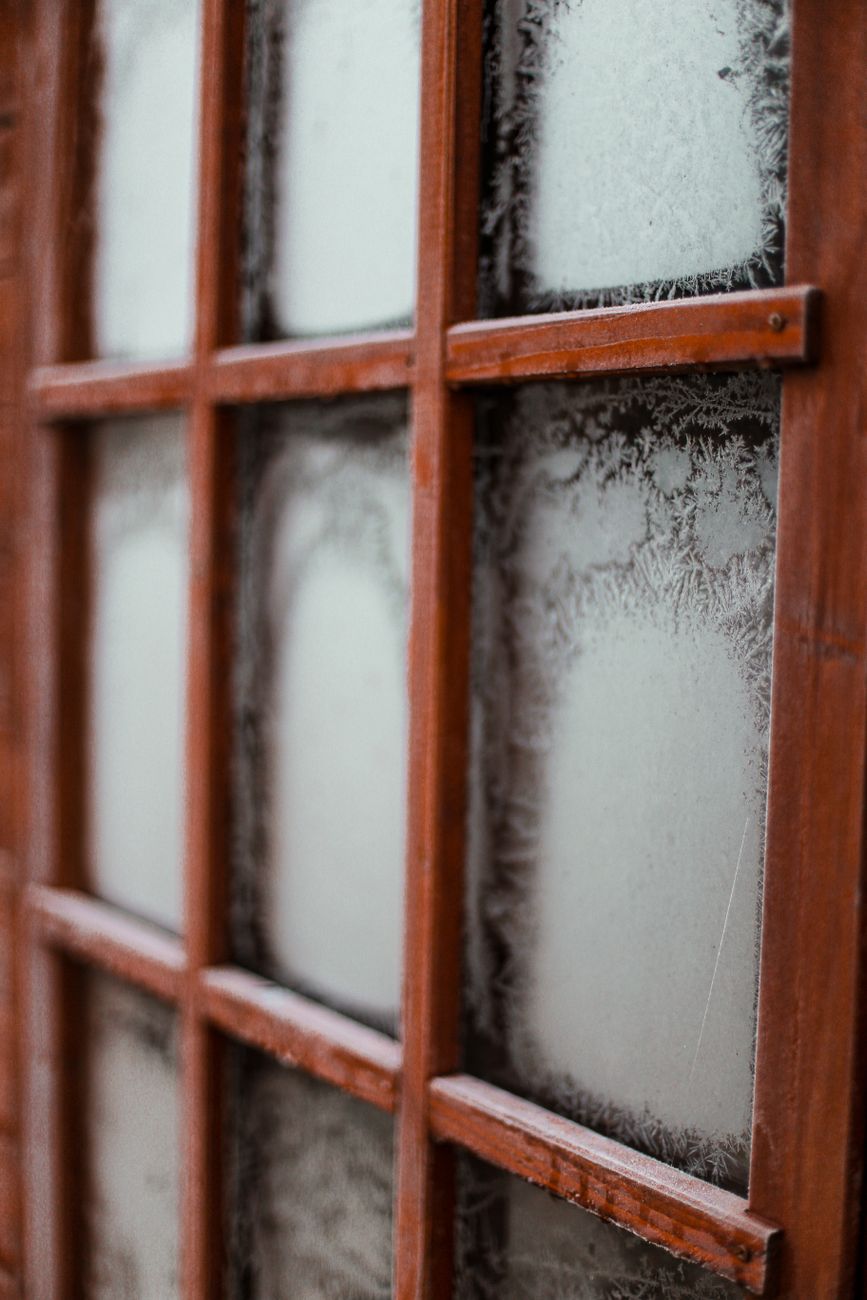
The first winter in our house, the heating bill was a wake-up call. I could feel cold air seeping through the outlets on exterior walls. The front door had a visible gap at the bottom. We were basically heating the neighborhood.
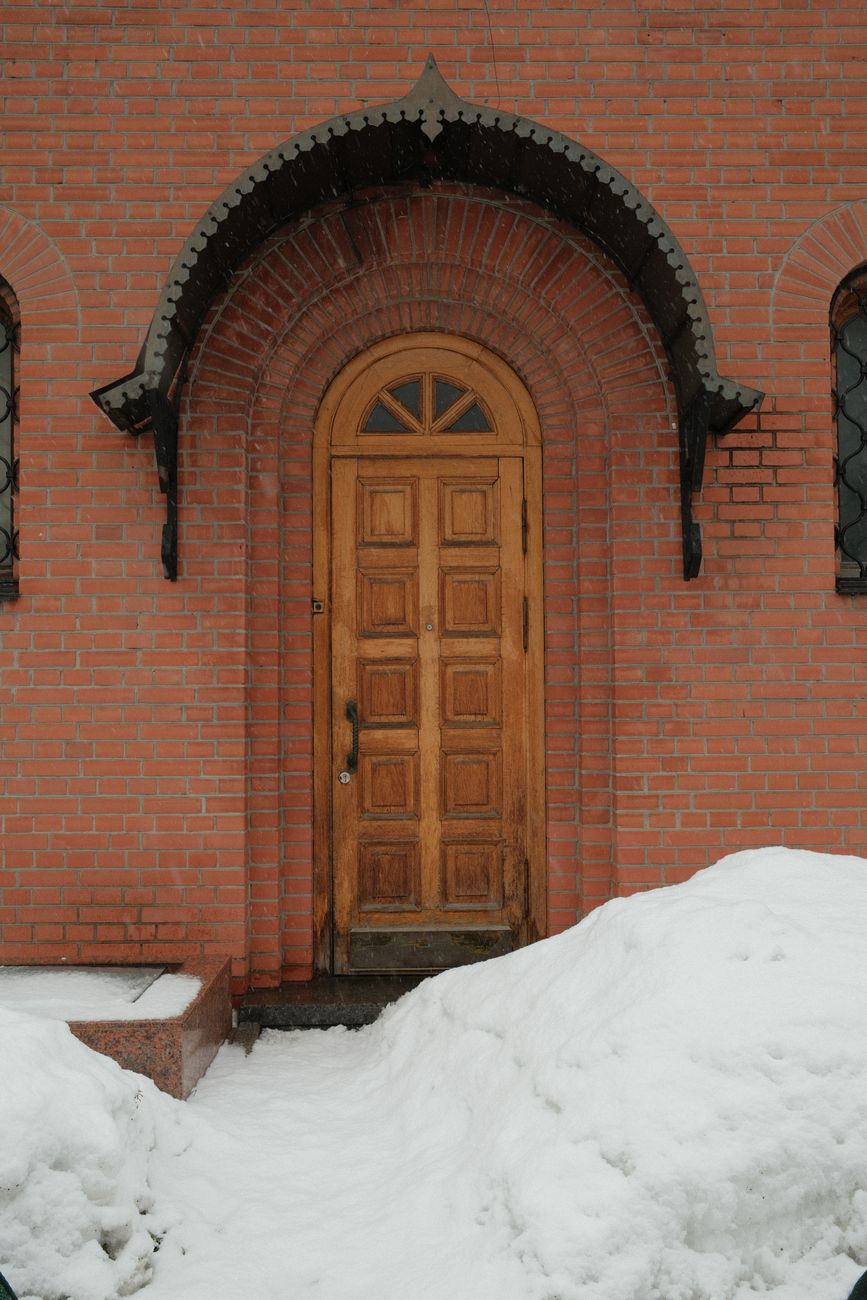
I spent one Saturday — about five hours total — and forty-three dollars at the hardware store. The following winter, our gas bill dropped by almost a third. Here is everything I did, in priority order.
Seal doors and windows first
This is where most heat escapes. Run your hand around door frames and window edges on a cold day. Anywhere you feel a draft, you have a leak. Hardware stores sell adhesive foam weather stripping in various thicknesses — the most useful product I have ever bought for under ten dollars.
For the gap under exterior doors, get a door sweep — a rubber or brush strip that screws into the bottom of the door. Costs about eight dollars, takes five minutes to install with a drill. The difference is immediate. You can feel the floor near the door go from cold to neutral.
Outlet and switch plate insulation
Exterior wall outlets and light switches are basically holes in your insulation. Take off the cover plate and you will feel cold air rushing in. Foam outlet gaskets cost about fifty cents each at any hardware store. They go behind the cover plate and seal the gap. Ten outlets on exterior walls = five dollars and twenty minutes. Easy win.
Reverse ceiling fans
Flip the small switch on the fan motor so it runs clockwise at low speed. Hot air rises and collects at the ceiling. A clockwise fan gently pushes that warm air back down into the room without creating a draft. You will not feel the breeze, but your thermostat will register a warmer room.
Insulate exposed pipes
Any water pipes in unheated spaces — crawl spaces, garages, exterior walls — need foam pipe insulation. Frozen pipes burst, and that repair costs thousands. Foam sleeves are about two dollars for six feet and snap right on. Pay special attention to pipes on north-facing exterior walls and any that run through the garage.
For outdoor spigots, disconnect hoses, drain them, and put an insulated faucet cover over the spigot. Five dollars each. Cheaper than calling a plumber in February.
Program the thermostat
Set it to automatically drop five to eight degrees while you sleep and while the house is empty during the day. You save about one percent on your heating bill for every degree you drop over an eight-hour period. A programmable thermostat costs twenty to thirty dollars and pays for itself in one cold month.
📋 Quick Summary: Weather strip doors and windows, add door sweeps, foam gaskets behind outlet covers, reverse ceiling fans to clockwise, insulate exposed pipes, program thermostat to drop at night. Total cost under fifty dollars.