Why Your Nonstick Pan Is Sticking and the Care Mistake You are Making
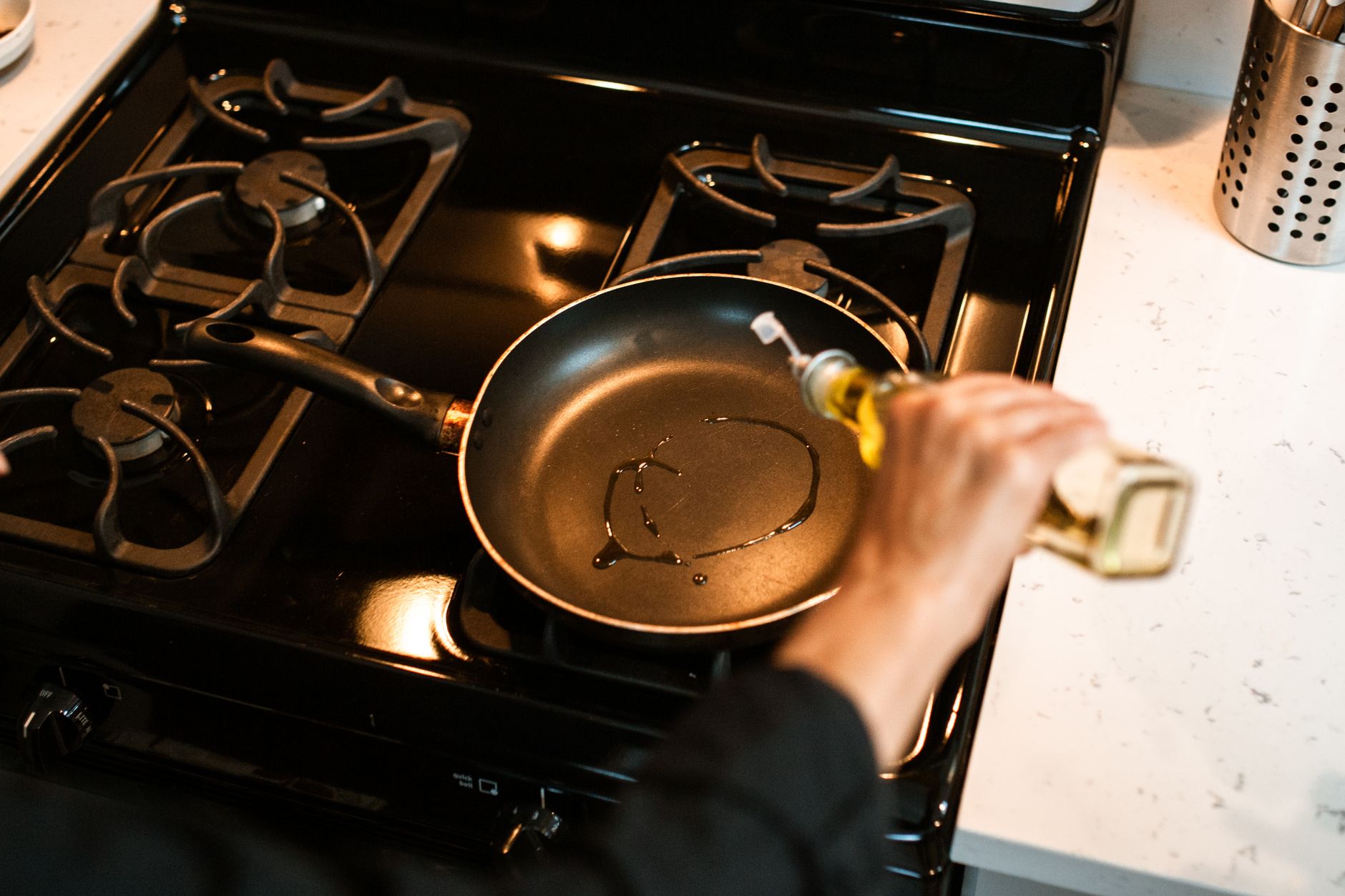
I ruined two nonstick pans before someone finally explained what I was doing wrong. Two. The first one I blamed on age. The second one I blamed on the brand. Turns out neither was the problem — I was the problem.
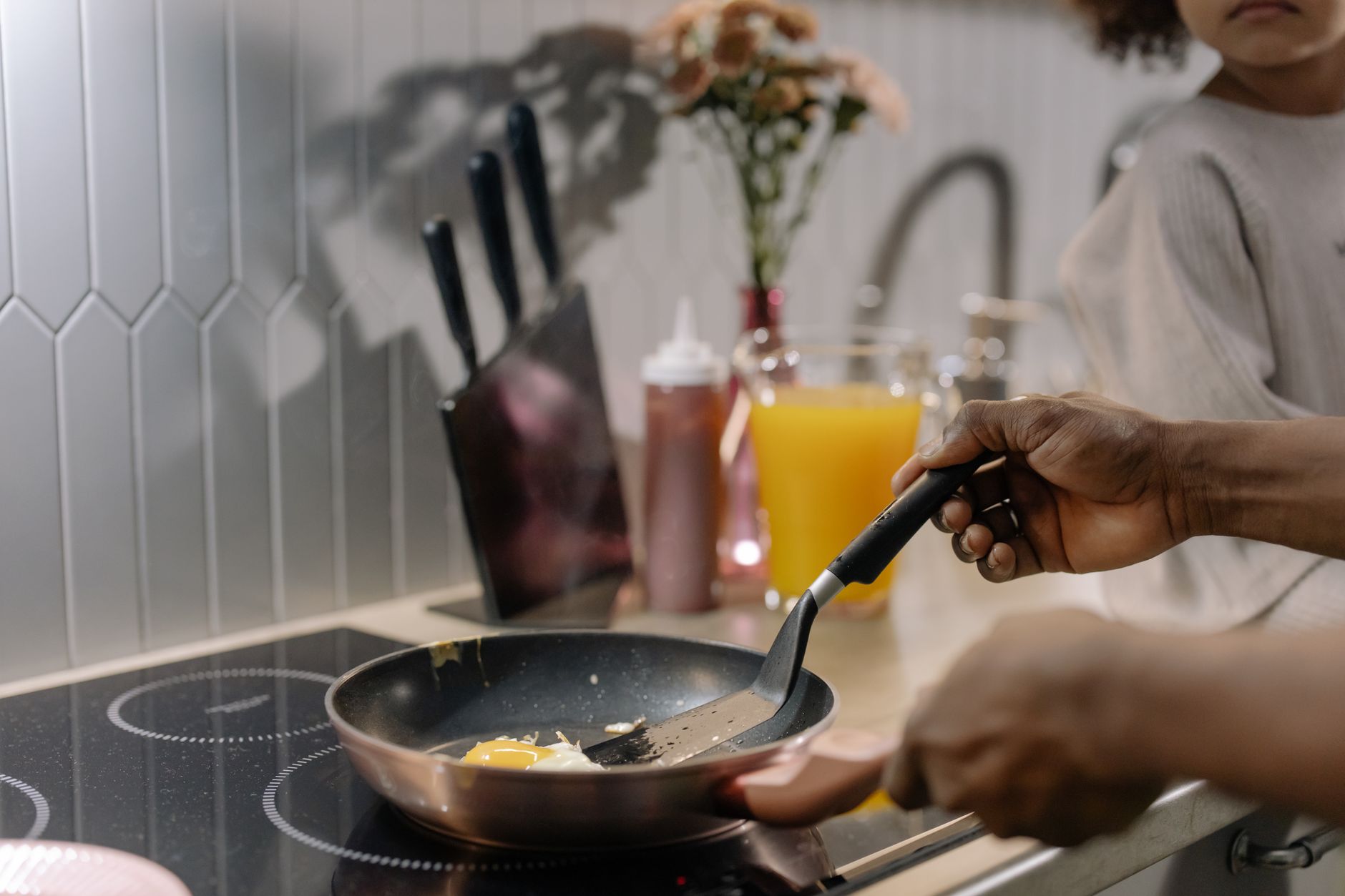
The Cooking Spray Trap
Here is a sentence I wish someone had told me five years ago: never use aerosol cooking spray on a nonstick pan.
Cooking spray — the PAM kind, the store brand kind, the olive oil spray kind — contains lecithin, a compound that helps the oil spray evenly. Lecithin bonds to nonstick coating and over time it builds up into a gummy, sticky layer that will not come off with regular dish soap. It looks clean but it is not. That invisible residue is why your eggs start sticking after a year even though the pan looks fine.
When I learned this, I looked at my supposedly ruined pan under a bright light. There it was — a slight amber-colored film I had been scrubbing at for months without understanding what it was. I cleaned it off with a baking soda paste (another trick I learned from the same person) and the pan works again. Not perfectly — the damage was already done — but way better than before.
High Heat Is the Other Killer
Nonstick pans are not designed for high heat. Period. Anything above medium on most stoves is too hot. At high temperatures, the nonstick coating starts to break down — it can release fumes and the surface degrades. That is permanent damage.
Here is a rule I follow now: if I am searing a steak or stir-frying at high heat, I use stainless steel or cast iron. Nonstick is for eggs, pancakes, fish fillets, and delicate foods that need low-to-medium heat. If I see the faintest wisp of smoke coming off an empty nonstick pan, the heat is too high.
Metal Utensils and the Dishwasher
This one most people know but still ignore: metal spatulas, tongs, and forks scratch nonstick coating. Even if the scratches are tiny, they are entry points for moisture and oil that will eventually make the coating flake. Use wood, silicone, or nylon.
And the dishwasher? Even if the pan says “dishwasher safe,” the detergent is harsh enough to degrade the coating over time. Hand wash with a soft sponge. It takes 30 seconds more. Do it.
The Stacking Problem
Storing nonstick pans stacked inside each other is fine — if you put a paper towel or pan protector between them. The bottom of the pan above will scratch the cooking surface of the pan below. I use cheap paper plates. Works perfectly.
📋 Quick Summary: Skip cooking spray — use real oil or butter. Keep heat at medium or lower. Hand wash only with a soft sponge. Wood or silicone utensils only. Put something between stacked pans.
A good nonstick pan should last 3 to 5 years with proper care. Mine now are on year three and still slick enough to slide an omelet right onto the plate. That is not because I bought expensive pans. It is because I stopped cooking like I was trying to kill them.