Why Tires Lose Pressure When Cold and How to Handle It
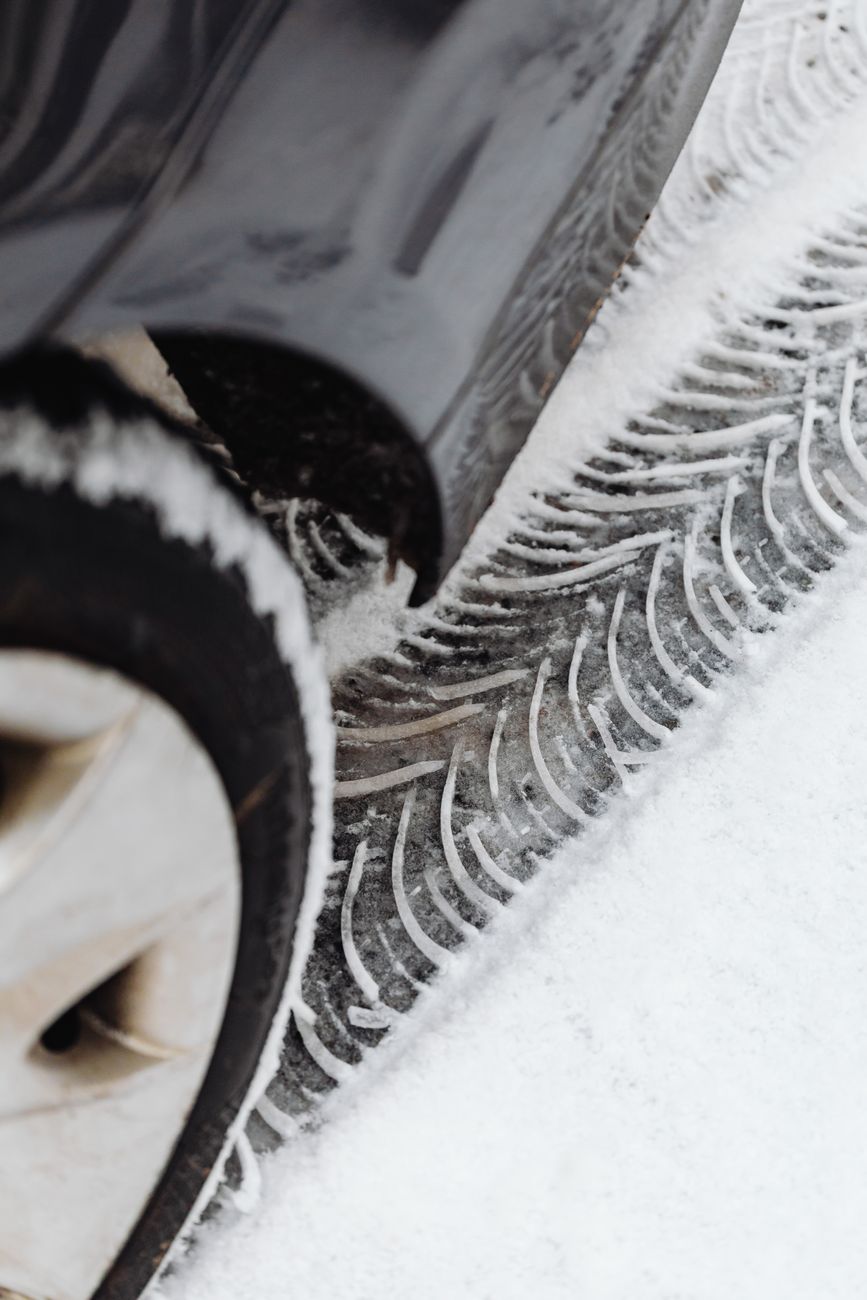
The first cold morning of fall, my dashboard lit up with the low tire pressure warning on all four tires at once. All four, simultaneously, which felt less like a flat and more like the car was having a tantrum about the weather. I topped them up, and the warning came back the next week. That is when I learned the physics: tire pressure drops about one PSI for every ten degrees the temperature falls. The cold was not deflating my tires, it was just making the air inside them shrink.
Why the warning light goes off in fall
Air contracts when it cools, so the pressure inside your tires drops as the temperature falls. A drop of twenty degrees, which happens overnight all the time in fall, means about two PSI less in each tire. If your tires were already borderline, that two PSI is enough to trip the warning light. It is not a leak, and it is not your tires failing, it is just physics, but it still needs handling.
What to do when the light comes on
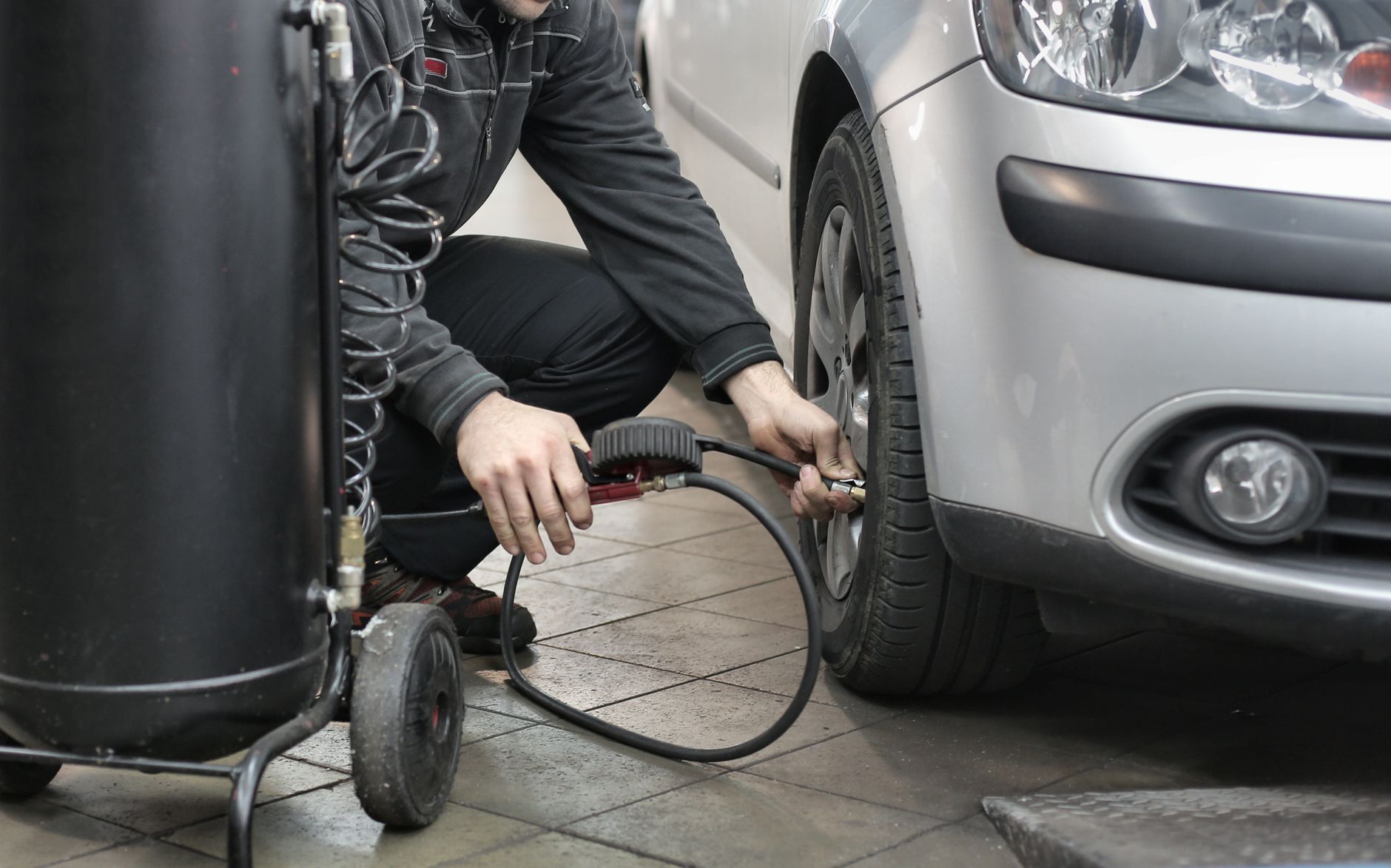
Check the pressure with a gauge, do not trust the light alone. The correct PSI for your car is printed on a sticker inside the driver’s door frame, not on the tire sidewall, which shows the maximum, not the recommended. Add air to reach the door sticker number, and do it when the tires are cold, meaning the car has not been driven for a few hours. Driving heats the tires and inflates the reading by a few PSI, so filling them after a long drive leaves them underfilled when they cool.
The cold weather check routine
Once the weather turns, I check my tire pressure every two weeks at the same gas station air pump. It takes five minutes and catches the slow seasonal bleed before the warning light becomes a regular morning companion. Tires naturally lose one to two PSI a month anyway, so the cold weather drop on top of that is why fall is the season of the dashboard warning.
When it is an actual leak and not the weather
If one tire drops much faster than the others, or you are refilling the same tire every week, that is a leak, not the cold. Check the valve cap first, a loose valve core leaks slowly. Then look for a nail or screw in the tread. A tire losing more than two PSI a week needs a professional look, and driving on an underinflated tire is how blowouts happen at highway speed.
Why you should not ignore it
Underinflated tires are not just a warning light nuisance. They wear out faster on the edges, they hurt your gas mileage, and they handle badly in wet or icy conditions, which matters exactly when winter arrives. One study after another shows that properly inflated tires are safer and cheaper in the long run. The three minutes it takes to add air every couple of weeks pays for itself in tire life alone.
My car has been quiet since I started the biweekly routine. The warning light still comes on once every fall, right after the first real cold snap, and now I just smile, hit the air pump, and top them up. It is not a tantrum, it is just October.
📋 Quick Summary: Tire pressure drops about one PSI per ten degrees of temperature, so check your tires every two weeks in fall and fill them cold to the number on the door sticker.