Why a Bidets Save You Money on Toilet Paper and Which One to Get
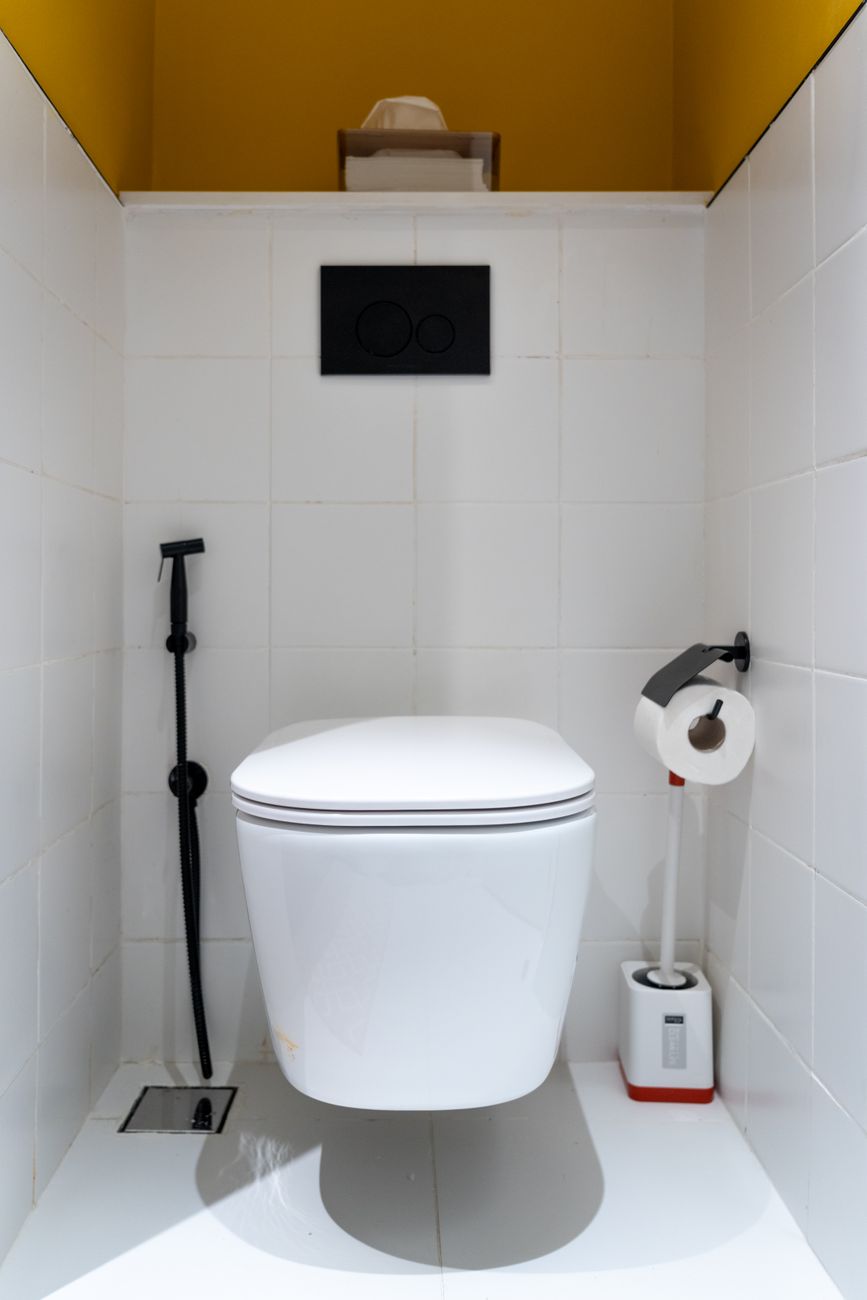
I did the math after six months of owning a bidet attachment. My household — two adults — went from buying a 24-pack of toilet paper every five weeks to buying one every fourteen weeks. At roughly $18 per pack, that is about $95 saved per year. The bidet cost $40. It paid for itself in five months.
That is just the money. The reduction in clogs (far less paper going down the pipes), the reduction in septic strain if you are on a septic system, and the general feeling of actually being clean are bonuses. Here is what you need to know before buying one, organized by type and budget.
Non-Electric Bidet Attachments ($30-60)
These mount under your existing toilet seat and use water pressure from the supply line — no electricity, no hot water connection required. The water is room temperature (which is fine for most people). A single knob controls pressure and angle. Best pick: Luxe Bidet Neo 120 ($35) — self-cleaning nozzle, metal T-adapter, adjustable pressure, installs in 15 minutes. This is the one I own and recommend to everyone. If you want warm water, the Neo 320 adds a hot water connection (you run a hose from the sink’s hot water line) for about $60.
Electric Bidet Seats ($200-500)
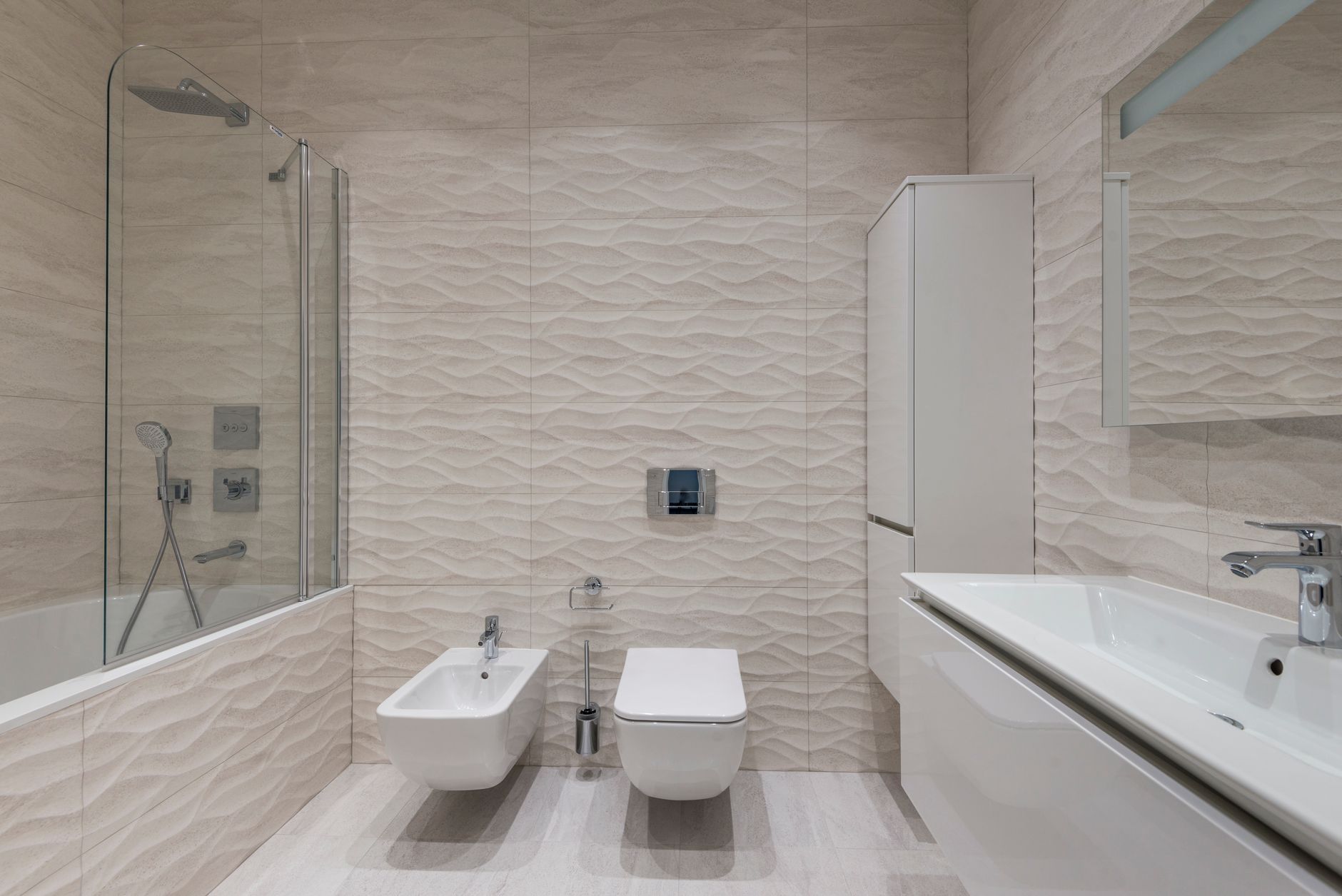
These replace your entire toilet seat and plug into an outlet. They offer heated water, heated seat, warm air dryer, adjustable spray patterns, and a remote control. The Toto Washlet is the gold standard but runs $350+. The Brondell Swash 1400 is well-reviewed at around $300. The big drawback: you need an electrical outlet within about three feet of the toilet, which most bathrooms do not have. Running a new outlet costs $150-300 from an electrician, pushing the total install north of $500. Worth it if you want the premium experience, but the value proposition falls apart if you are mainly trying to save money.
Handheld Bidet Sprayers ($25-40)
These are the kind you see in Southeast Asia and the Middle East — a sprayer wand attached to a hose that hangs next to the toilet. Cheapest option, simplest installation (T-adapter on the supply line, hang the holder on the wall or tank). More control over where the water goes, but requires one hand to operate, which some people find awkward. The RinseWorks Aquaus 360 is the most ergonomic handheld I have tried — it has a long wand with a thumb-controlled pressure slider. Good for cleaning cloth diapers or rinsing the toilet bowl too.
The Toilet Paper Math (Updated for 2024 Prices)
A household of two that uses a bidet for all bathroom visits will use about 75-80% less toilet paper. You still need a couple of squares to pat dry — you are not walking around damp — but the bulk usage drops to nearly zero. Average US household spends $120-180 per year on toilet paper. A $35 bidet attachment saves $90-145 per year, every year. Over five years, that is $450-725 saved. From a $35 purchase. Show me any other home upgrade with that ROI.
What About Guests?
Guests will be confused. Some will be intrigued. A few will be horrified. Keep toilet paper accessible and let people use what they are comfortable with. I put a small sign next to the toilet that says “The knob on the right is a bidet — totally optional, give it a try if you are curious.” Most guests ignore it. A few try it and come out of the bathroom asking where I bought it. The horror stories about bidets spraying water across the room are from people cranking the pressure knob to maximum before sitting down. Do not do that.
📋 Quick Summary: Non-electric bidet attachment ($35 Luxe Bidet Neo 120) is the best value — pays for itself in 5 months. Electric seats ($300+) are luxury, not savings. Handheld sprayers ($25-40) have the most control. Average household saves $90-145/year on toilet paper. Keep a small sign for guests. Start with low pressure and adjust up.