Prevent Frozen Pipes Without Leaving Faucets Dripping
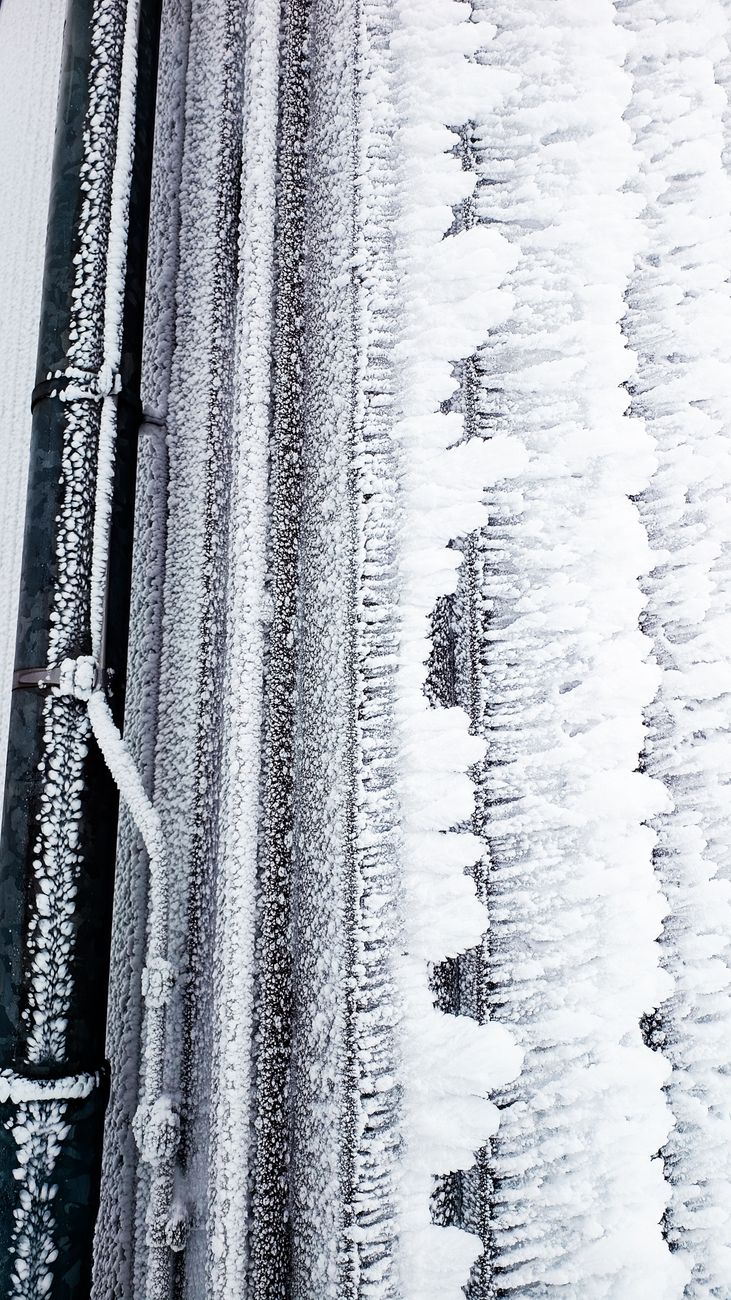
The winter of 2022, my neighbor’s pipe burst. Not a drip or a leak a full rupture that flooded his basement with four inches of water before anyone noticed. The repair bill was north of three thousand dollars. Since then I have been slightly obsessed with pipe protection, and I learned you do not actually need to leave faucets running all night.
Why pipes burst (it is not the ice)
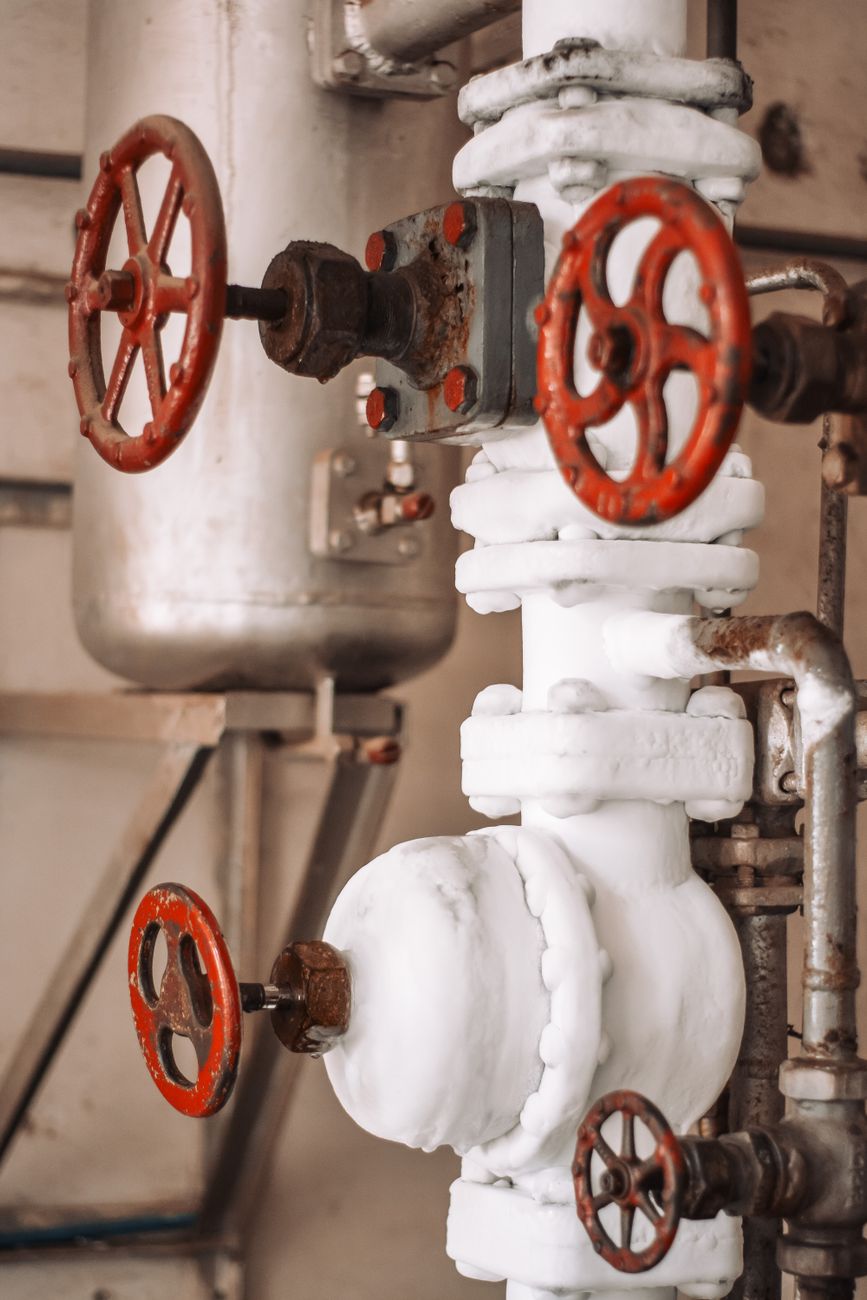
Ice expanding inside a pipe does not directly cause the burst. What actually happens: the ice plug blocks the pipe, and water pressure builds between the ice and the closed faucet. The pressure eventually exceeds what the pipe can hold, and it ruptures usually at a joint or a bend, not where the ice actually is.
That is why leaving a faucet dripping works it relieves the pressure. Even a trickle gives the expanding water somewhere to go. But a dripping faucet wastes water and is not always practical if you have multiple vulnerable pipes or are going away for the weekend.
Insulation is the real solution
Foam pipe insulation is cheap, pre-slit, and slides onto pipes in seconds. A six-foot length costs about two dollars at any hardware store. Focus on pipes in unheated spaces: basements, crawl spaces, attics, garages, and especially pipes running along exterior walls. Even the wall itself can conduct cold to pipes touching it.
For exposed pipes in truly frigid areas, wrap the foam insulation with heat tape which plugs into an outlet and warms the pipe just enough to prevent freezing. Modern heat tape has a built-in thermostat and turns on automatically below a certain temperature. Installation takes about fifteen minutes per pipe section.
Cabinet doors and other free fixes
On nights when temperatures drop below twenty degrees, open the cabinet doors under kitchen and bathroom sinks. This lets warm house air circulate around the pipes. It sounds too simple to matter, but the temperature difference inside an enclosed cabinet versus the room can be ten degrees or more.
Disconnect and drain garden hoses before the first freeze. A hose left connected traps water in the outdoor spigot, and that water freezes and pushes back into the pipe inside the wall. The burst happens inside the house where you cannot see it until the thaw. Close the interior shutoff valve for outdoor spigots if you have one, then open the outdoor valve to drain any remaining water.
I also keep a remote temperature sensor in the basement near the most vulnerable pipe. It sends an alert to my phone if the temperature drops below forty degrees. Not strictly necessary, but it helps me sleep when it is negative ten outside.
Quick Summary: Insulate pipes in unheated spaces with cheap foam sleeves, use heat tape on the most vulnerable sections, open cabinet doors on freezing nights, and disconnect garden hoses before winter. A five-dollar fix beats a three-thousand-dollar repair.