Store Holiday Leftovers Safely So Nothing Goes to Waste
Every Thanksgiving my family throws away about a third of the food. Not because it was bad — because it sat on the counter for three hours while people grazed, then got shoved into the fridge in the roasting pan.
Food safety after a big meal is not hard. You just need a system.
The Two-Hour Rule
Cooked food can sit at room temperature for two hours maximum. After that, bacteria multiply fast enough to make people sick. Set a timer on your phone when the meal ends. When it goes off, everything goes in the fridge.
Shallow Containers, Not Deep Ones
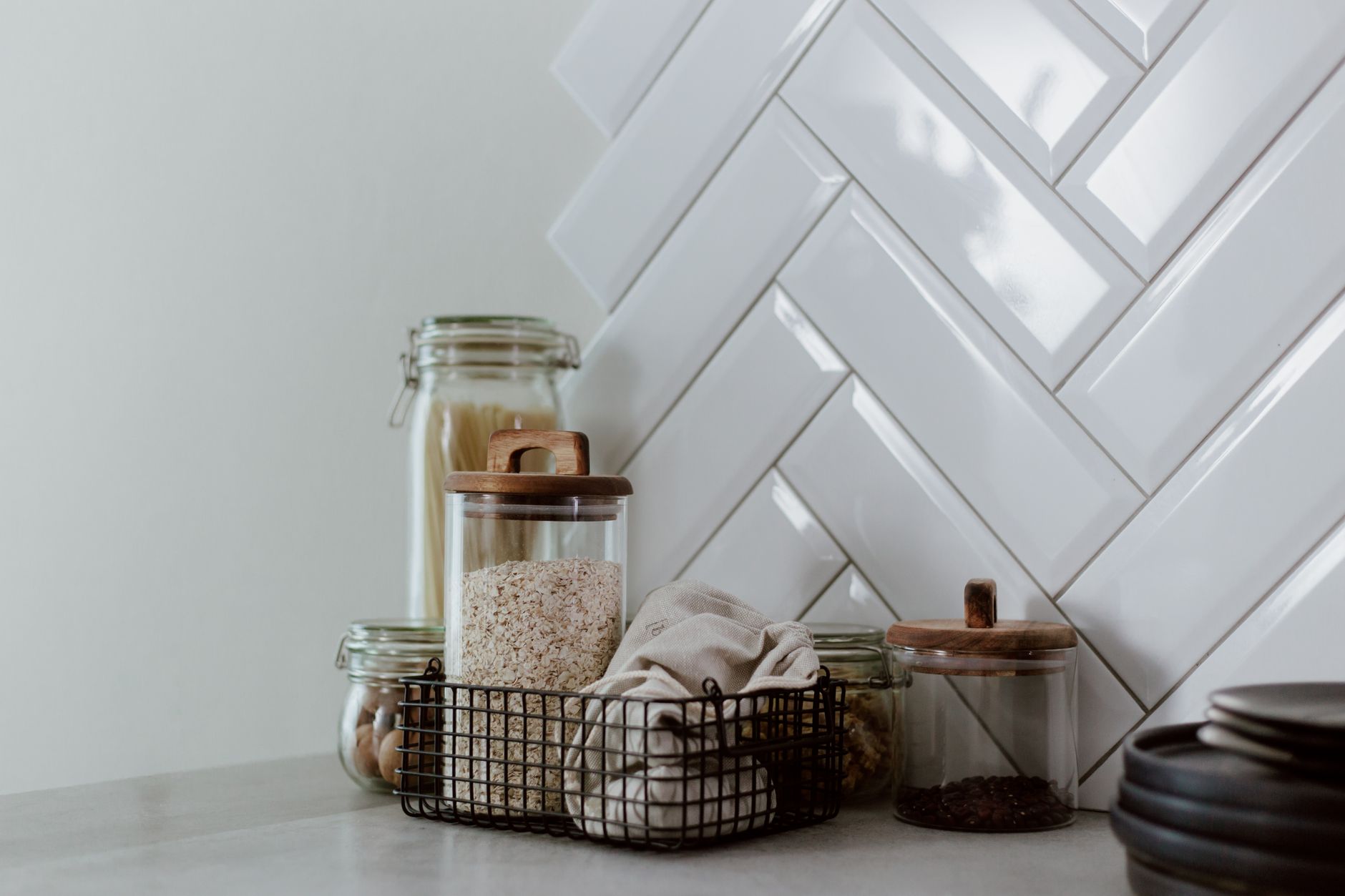
The biggest leftover mistake: putting a giant pot of soup directly in the fridge. The center stays warm for hours. Divide everything into shallow containers (two inches deep or less). The food cools evenly and quickly. Mason jars work great for soups. Flat rectangular containers for solids.
Label Everything With Dates
Masking tape and a Sharpie. Write the date on every container. Labeled containers actually get eaten. Unlabeled ones become science experiments.
What Freezes Well
Turkey, ham, stuffing, gravy, pie, bread, cookies, mashed potatoes (add extra butter before freezing). Does not freeze well: anything with mayo or sour cream, cream-based soups, fried foods, high-water-content vegetables.
Freeze in portion sizes. Individual servings in zip-top bags get reheated for lunch.
Reheating Safely
Reheat to 165 degrees F internal temperature. Use a thermometer — they cost ten dollars. Microwave in short bursts, stirring between each one. Never reheat the same portion twice.

Quick Summary: Refrigerate within 2 hours. Use shallow containers. Label with dates. Freeze in portion sizes. Reheat to 165F. Never reheat the same portion twice.