The Simple Test to Know When Your Pan Is Hot Enough
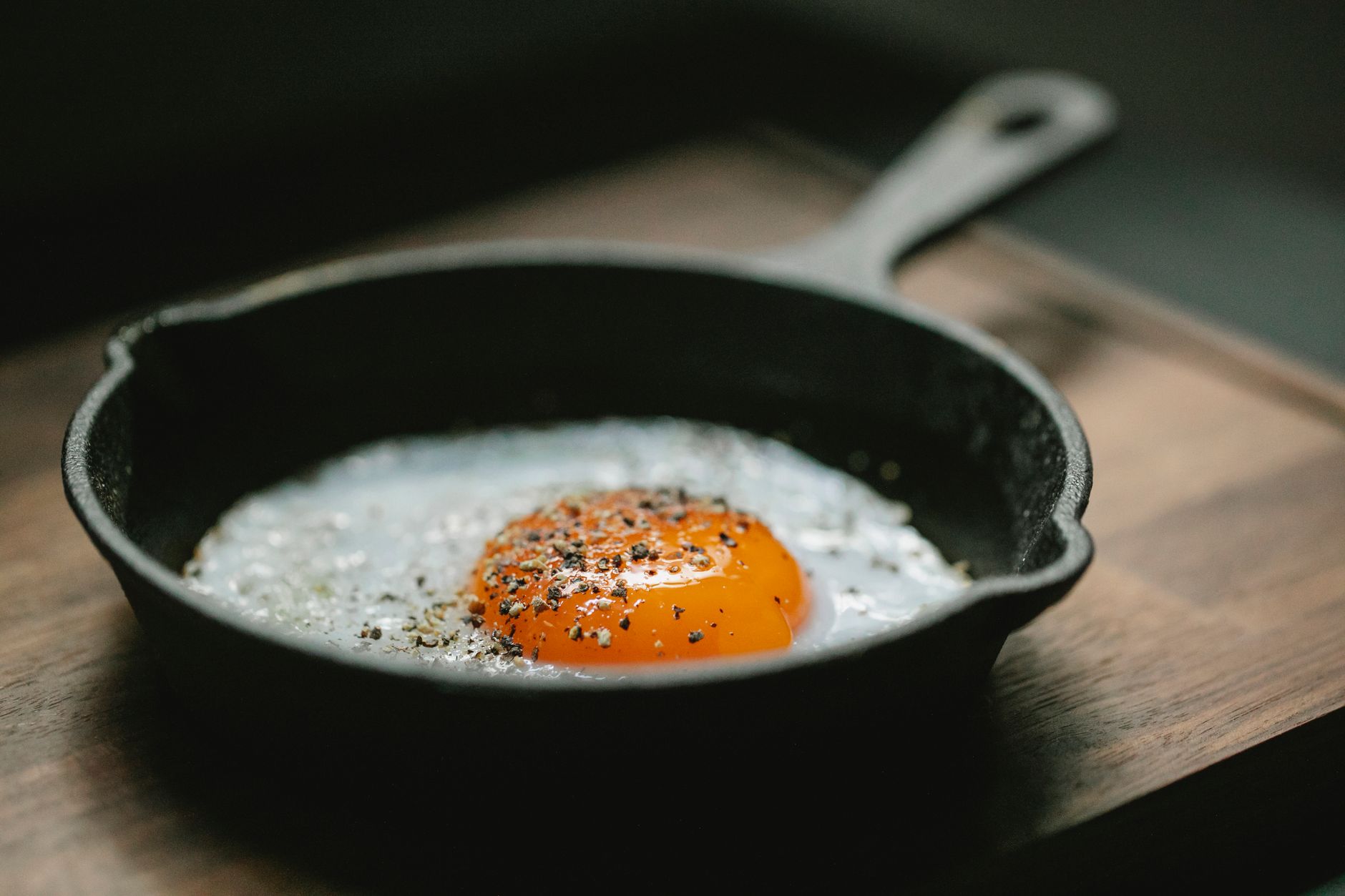
You know that moment when you drop food into a pan and nothing happens? No sizzle. No sear. Just a sad wet sound while your steak steams in its own juices. I cooked like that for the first three years after I moved out of my parents’ house. I would turn the burner on, wait about thirty seconds, and dump everything in.
Turns out there is a physics trick that tells you exactly when a stainless steel or cast iron pan is hot enough. And it uses nothing but water.
The Leidenfrost Effect
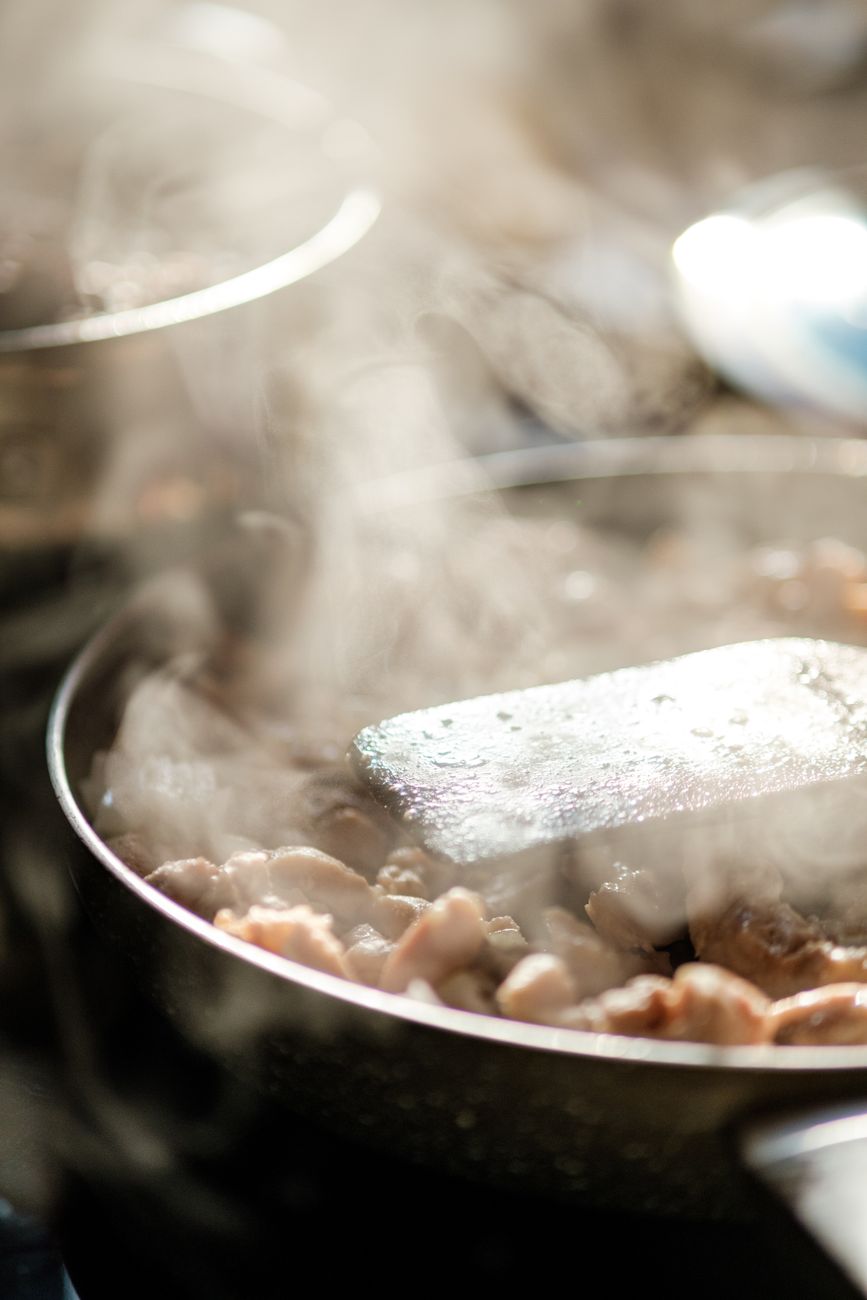
Flick a few drops of water into your heating pan. If the water just sits there and slowly evaporates, the pan is not hot enough. If the water forms a single ball that skates around the surface like a bead of mercury, you are at the right temperature. That is the Leidenfrost effect — the pan is so hot that the bottom of the water droplet instantly vaporizes, creating a cushion of steam that lifts the droplet off the metal.
This happens at about 380°F for stainless steel, which is exactly where you want to be for a good sear. The water bead should glide across the pan without breaking apart. If it splits into lots of tiny beads that dance around, the pan is too hot — back off the heat for a minute.
Why It Matters
Food sticks to a pan that is too cold. Proteins bond to the metal at a molecular level before a crust forms. A properly heated pan creates an instant sear that releases the food naturally after about 60 to 90 seconds. If you try to flip a steak and it rips, your pan was not hot enough — or you flipped too early.
What About Nonstick Pans?
Do not use the water test on nonstick pans. Heating an empty nonstick pan to 380°F can damage the coating and release fumes. For nonstick, add your oil first, then heat until the oil shimmers — that is your signal.
After the Test
Once the water beads confirm the temperature, add your oil and swirl it around. The oil will heat up in seconds because the pan is already hot. Then add your food. And listen for that sizzle — it is the sound of a proper sear instead of a sad steam bath.
Quick Summary: Flick water on the pan. If it forms a bead that glides, you are at 380°F and ready to sear. If it just sits there and evaporates, wait longer.