Why You Should Crack Eggs on a Flat Surface Not the Bowl Edge
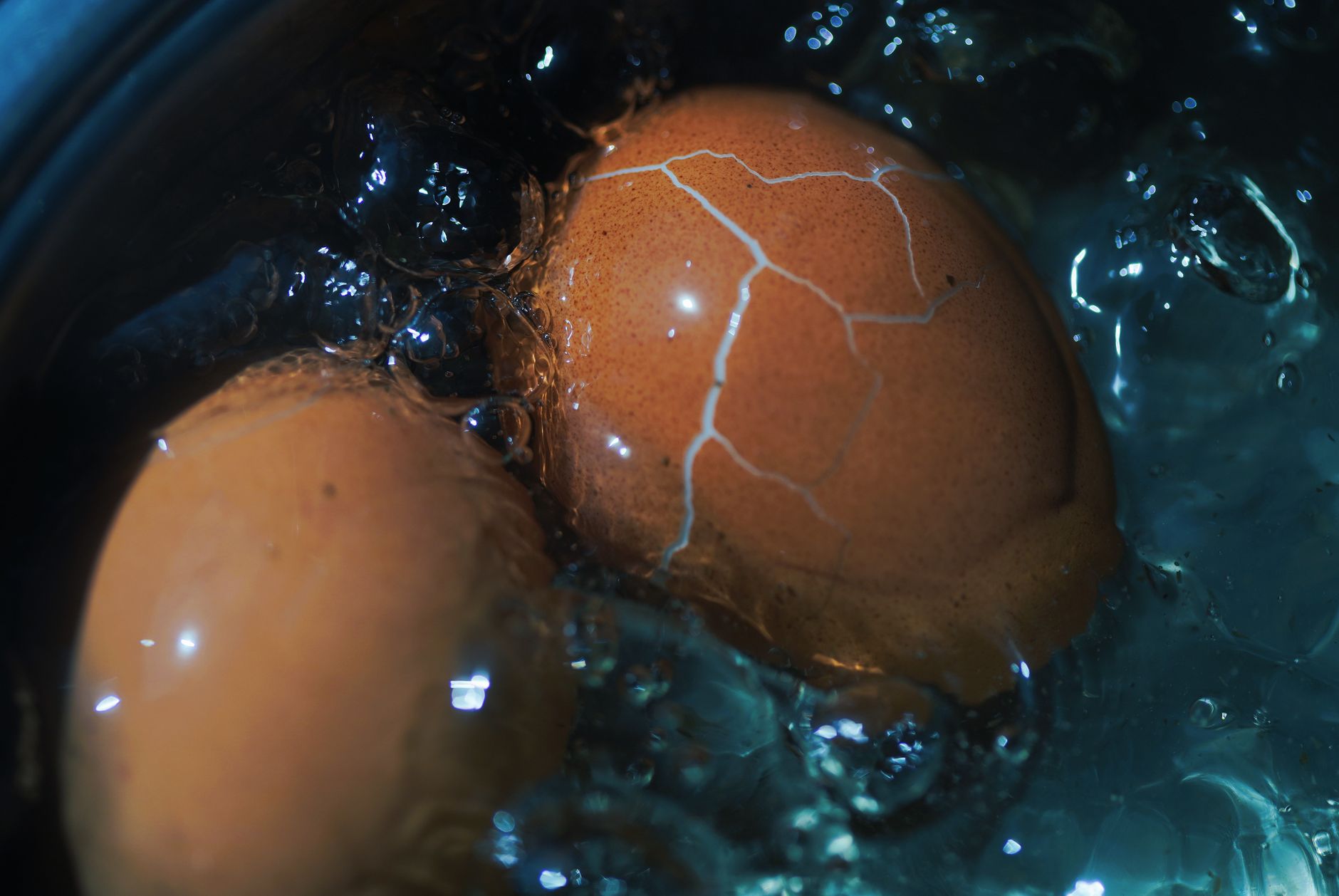
I cracked eggs on the side of the bowl for probably fifteen years. My mom did it. Every cooking show I watched did it. It felt like the right way — that sharp edge makes a clean break, right?
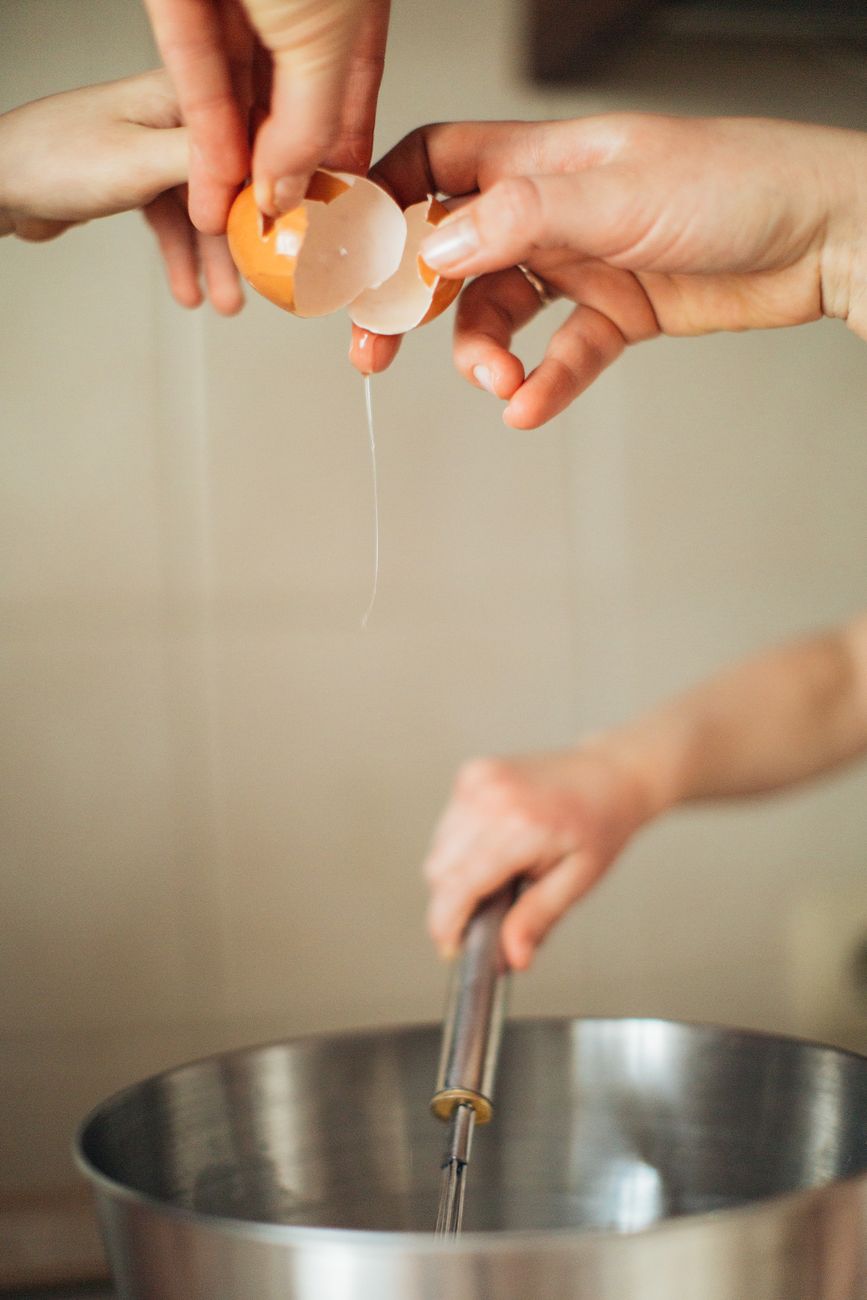
Wrong. The sharp edge is exactly the problem.
What Happens When You Use the Bowl Edge
When you crack an egg on a sharp edge, the shell shatters inward. Tiny fragments get pushed inside the egg. Sometimes you see them. Sometimes you do not — until you bite into your omelet and feel that awful crunch.
Worse, the sharp edge can puncture the yolk. If you are separating eggs or making sunny-side-up eggs, a broken yolk ruins everything. The edge pushes shell fragments deep into the egg white where they are hard to fish out.
The Flat Surface Method
A flat surface — countertop, cutting board, even the flat bottom of another bowl — creates a clean crack line. The shell breaks along a single line instead of shattering into pieces.
Here is how I do it now:
- One firm tap on the flat surface. Not gentle. Committed. You want a dent the size of a quarter.
- Thumbs in the dent, pull apart gently. The membrane stays intact and holds the shell together.
- Pour the egg out. The shell stays behind, cleanly split into two halves.
Since switching to this method two years ago, I have not found a single shell fragment in my eggs. Not one. I used to fish out shell pieces at least once a week.
Why Professional Chefs Do It This Way
Watch line cooks during breakfast service. Nobody is cracking eggs on the edge of a saute pan. They crack on the flat stainless steel counter — fast, one-handed, and clean. They cannot afford to stop and pick out shell fragments when they are making thirty omelets an hour.
Jacques Pepin, the French chef who basically wrote the book on technique, has a whole segment about this. He calls the bowl-edge crack “the most common mistake home cooks make with eggs.” That man has cracked more eggs than I have eaten meals.
The One-Handed Technique
Once you are comfortable with the flat crack, try going one-handed — it is faster and honestly just feels cool. Crack on the flat surface, then use your thumb and first two fingers to spread the two halves apart while holding the rest of the shell in your palm. It takes some practice. I broke about six eggs learning it. Worth it.
📋 Quick Summary: Crack eggs on a flat surface, not the edge of a bowl. One firm tap creates a clean crack line. Shell fragments stay out, yolks stay intact.