Never Burn Garlic Again — The 30-Second Rule That Changed Everything
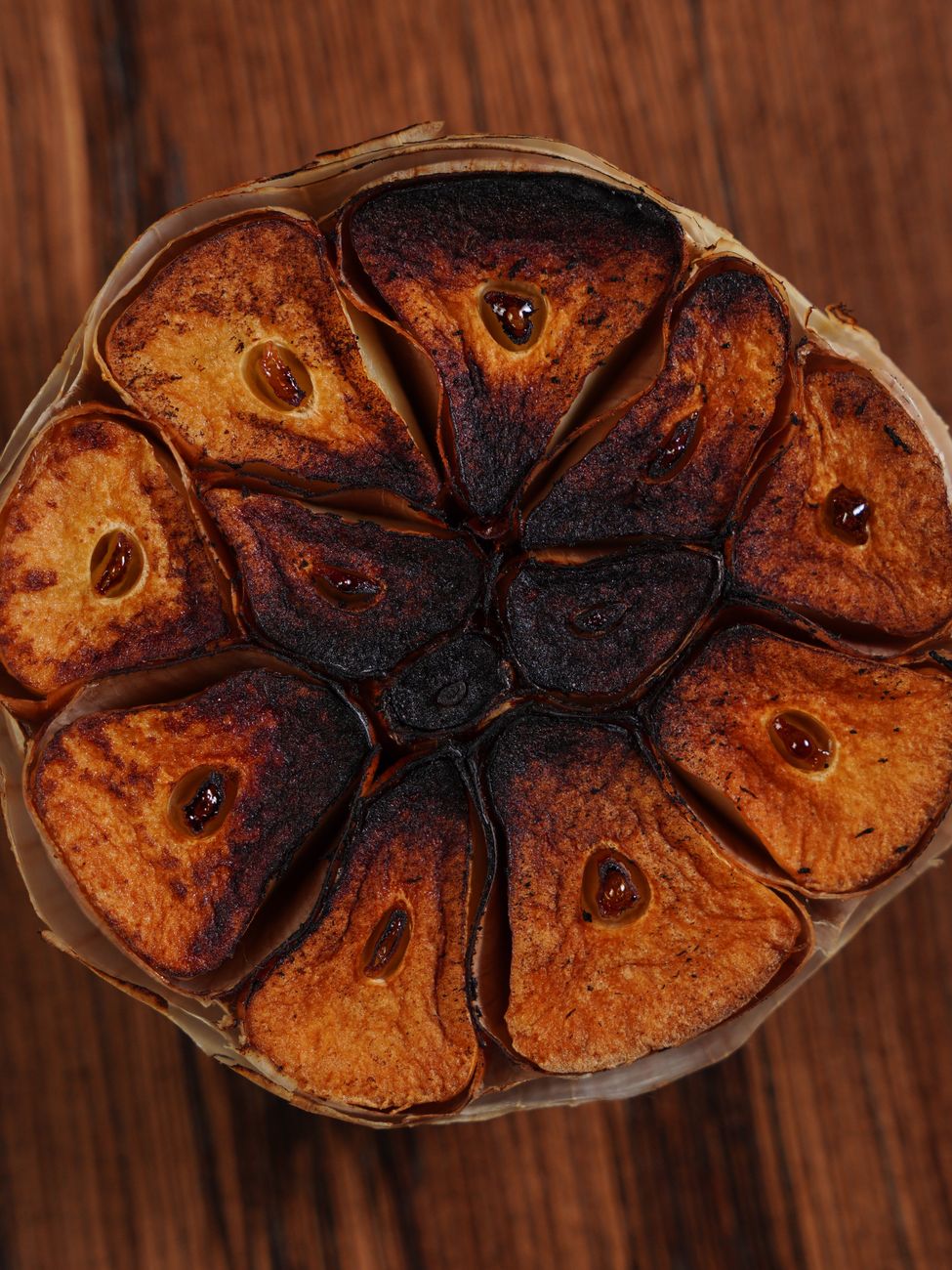
Burned garlic smells like regret. It is bitter, acrid, and there is no saving the dish once it happens. I learned this the expensive way — I once tossed an entire pan of shrimp scampi because I turned my back for what felt like two seconds and the garlic went from golden to charcoal.
For years I thought the solution was lower heat. It helped, but it also meant my garlic never got that deep, nutty, golden-brown flavor that makes a dish sing. Low heat = pale garlic = boring food. High heat = burned garlic = trash. There had to be a middle ground.
Turns out the middle ground is not about heat at all. It is about timing — specifically, thirty seconds.
Why Garlic Burns So Fast
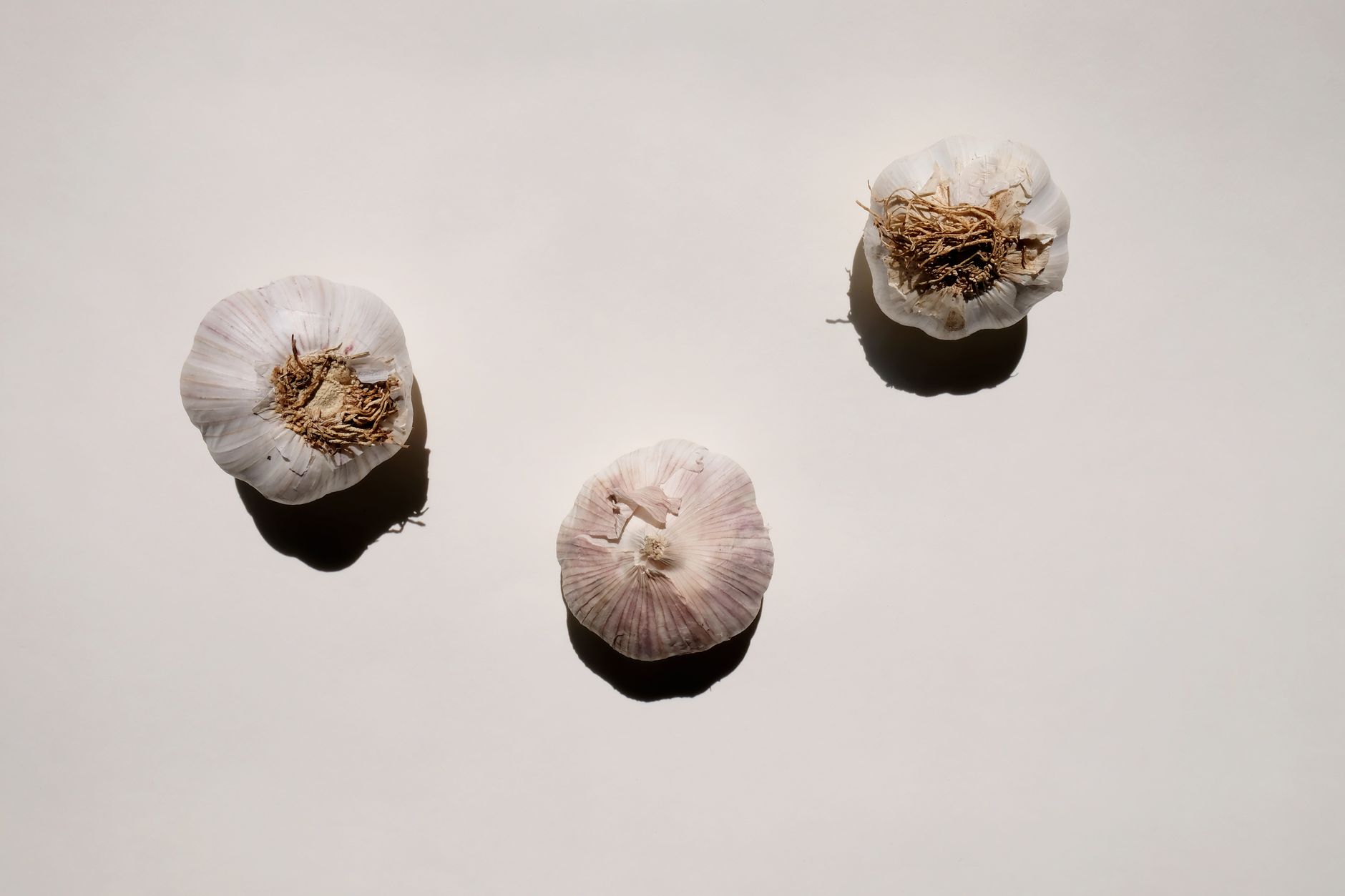
Garlic has almost no water content and tons of natural sugar. When those sugars hit hot oil, they caramelize fast — and then burn even faster. The window between perfectly golden and ruined is about ten seconds. On medium-high heat with minced garlic, you get maybe fifteen seconds of golden before it tips over into brown, then bitter.
The 30-Second Framework
Here is the rule that fixed my cooking: add garlic only when there are thirty seconds left before you add liquid.
Not at the beginning with the onions. Not at the same time as the aromatics. When your pan is hot, your oil is shimmering, and you have a can of tomatoes or a splash of broth ready in your other hand — that is when the garlic goes in.
Thirty seconds of sizzling. Stir constantly. The moment it turns pale gold and you can smell it filling the kitchen — dump in your liquid. The liquid drops the pan temperature instantly and stops the cooking. Your garlic is now infused into the oil, the flavor is in the dish, and nothing is burned.
- Prep everything first. Have your liquid measured and within reach. No chopping tomatoes while garlic burns.
- Slice, do not mince, if you want more forgiveness. Sliced garlic has less surface area and gives you an extra ten seconds of wiggle room.
- Watch the color, not the clock. Pale gold = ready. Brown = too late. The smell changes too — from sharp and raw to sweet and nutty.
- If you smell burning, the pan is already too hot. Pull it off the heat, add a splash of water, and start over. Do not try to salvage burned garlic.
The Pasta Sauce Revelation
I used to start every pasta sauce by sautéing garlic with onions for five minutes. The garlic would burn by minute two and the onions would barely be translucent. Now I cook the onions alone until they are soft, push them to the side, add fresh oil to the cleared spot, drop the garlic in, and thirty seconds later pour in the crushed tomatoes. The garlic flavor is brighter, cleaner, and actually present — instead of being a bitter ghost of what it could have been.
My roommate walked in while I was making sauce last week and asked why the kitchen smelled “like a real Italian restaurant.” It was the garlic. Just garlic, treated right.
“Garlic should be the last dry ingredient in the pan, not the first.”
Thirty seconds. That is the difference between garlic that makes people ask for the recipe and garlic that makes them order pizza.
📋 Quick Summary: Add garlic only when you have liquid ready to pour — thirty seconds of sizzling max, then dump in the liquid to stop the cooking.