The Perfect Marinade Formula for Any Meat
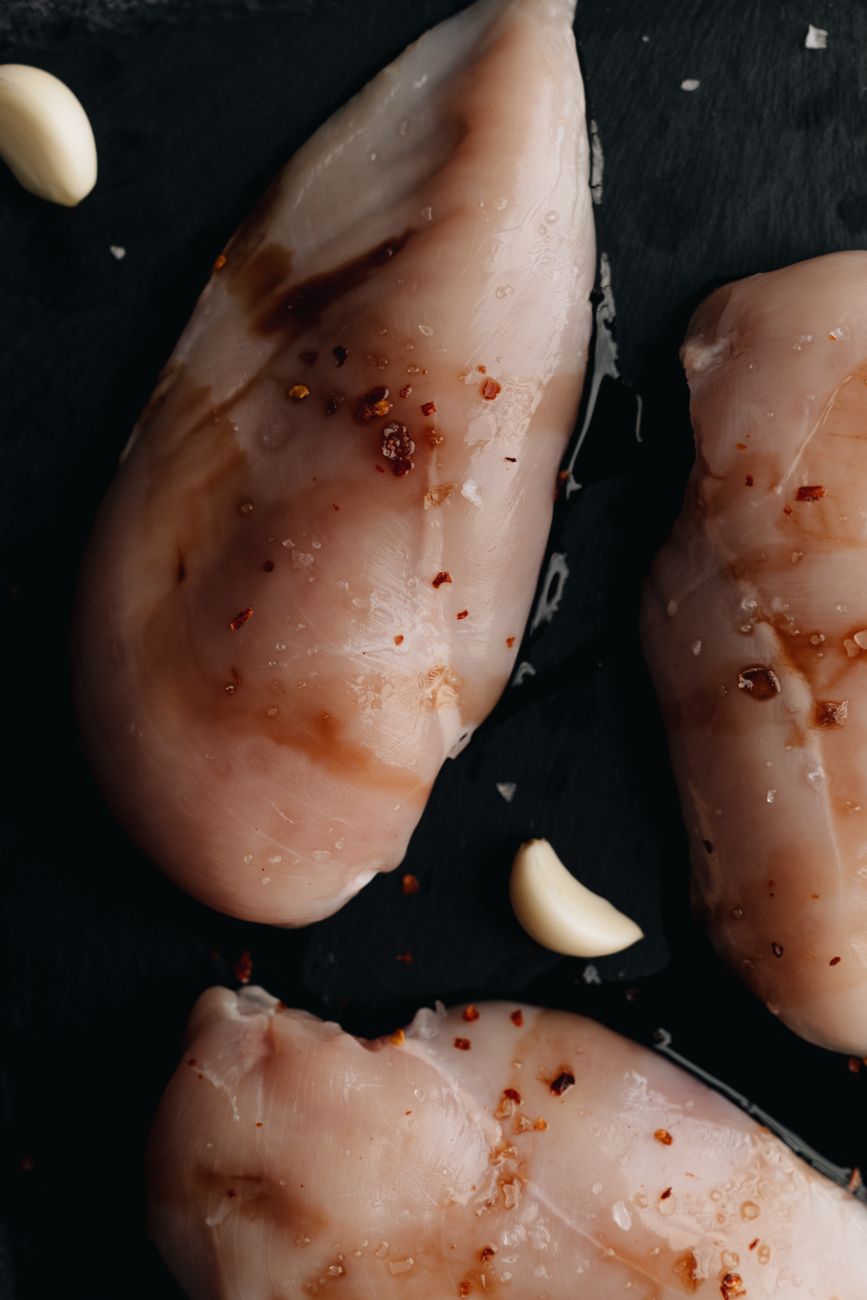
I used to marinate by dumping random bottles from the fridge door into a bowl and hoping for the best. Soy sauce, whatever vinegar was open, maybe some garlic powder if I remembered. Sometimes it was great. Sometimes it was confusing. I never knew why.
Then a chef explained the formula. Every good marinade has exactly four components in a specific ratio. Once you know it, you never need a recipe again.
The 3:1:1:1 Formula
Three parts oil. One part acid. One part salt. One part aromatics. That is it. Oil carries fat-soluble flavors and prevents sticking. Acid — vinegar, citrus, yogurt, wine — tenderizes the meat by breaking down protein fibers. Salt seasons from the inside and helps the meat retain moisture during cooking. Aromatics — garlic, herbs, spices, ginger — provide the actual flavor.
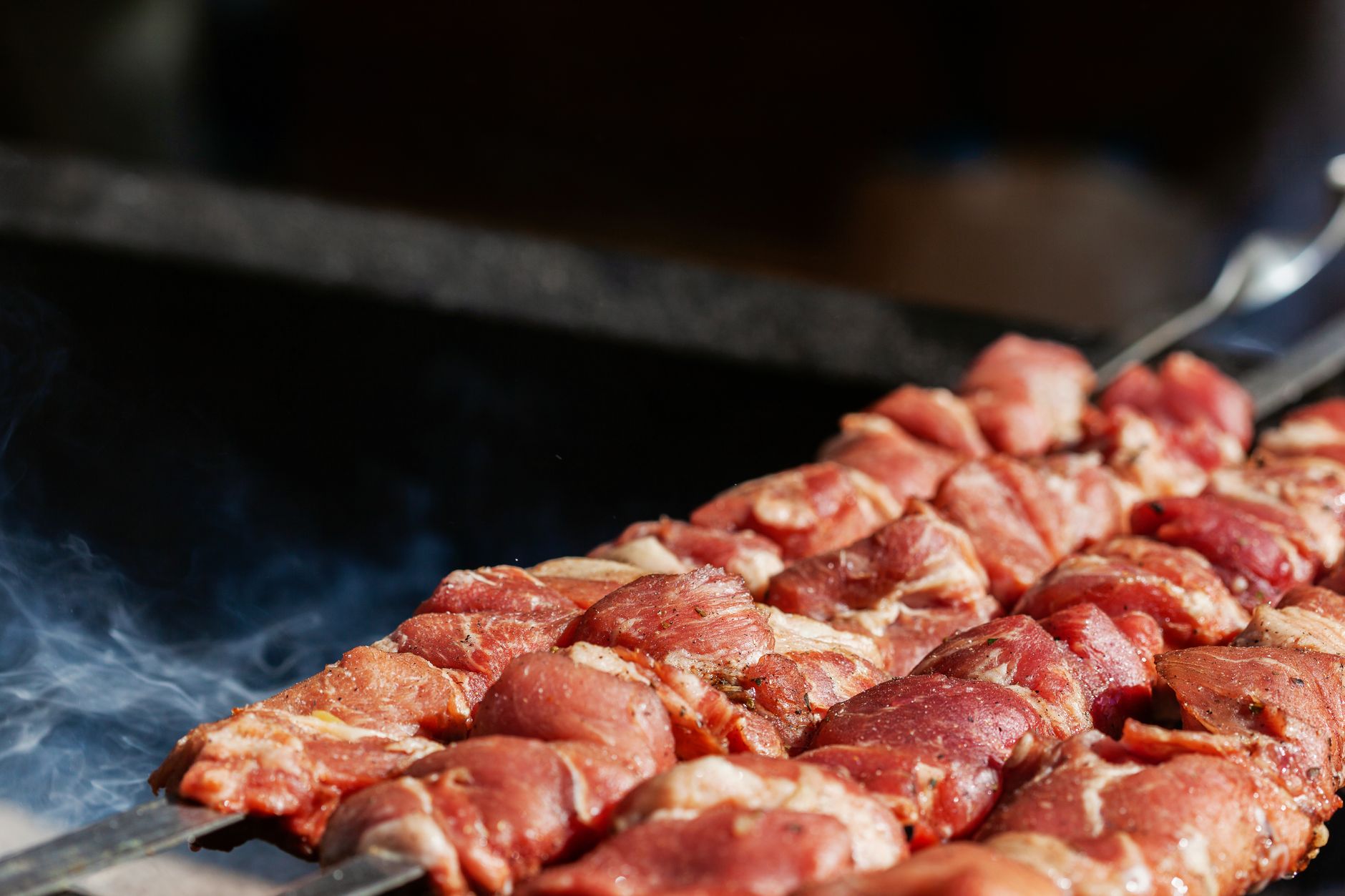
For two pounds of chicken: 3 tablespoons olive oil, 1 tablespoon lemon juice, 1 teaspoon salt, and 2 cloves minced garlic plus a teaspoon of dried oregano. That marinade takes sixty seconds to make and tastes better than anything from a bottle. For beef, swap the lemon for red wine vinegar and the oregano for black pepper and rosemary. For pork, use apple cider vinegar and sage. The formula stays the same — you just swap the acid and aromatics to match the protein.
Timing Matters
Fish and seafood: 15 to 30 minutes maximum. Acid starts cooking fish immediately — any longer and you get ceviche. Chicken: 2 to 8 hours. Beef and pork: 4 to 24 hours. Anything with a lot of acid — citrus-heavy marinades — should stay on the shorter end because acid can make the meat mushy over time. And always marinate in the fridge, never on the counter.
📋 Quick Summary: 3 parts oil, 1 part acid, 1 part salt, 1 part aromatics. Fish: 15–30 min. Chicken: 2–8 hours. Beef/pork: 4–24 hours. Always marinate in the fridge.