The Pencil Trick That Prevents Drill Bits From Walking on Tile
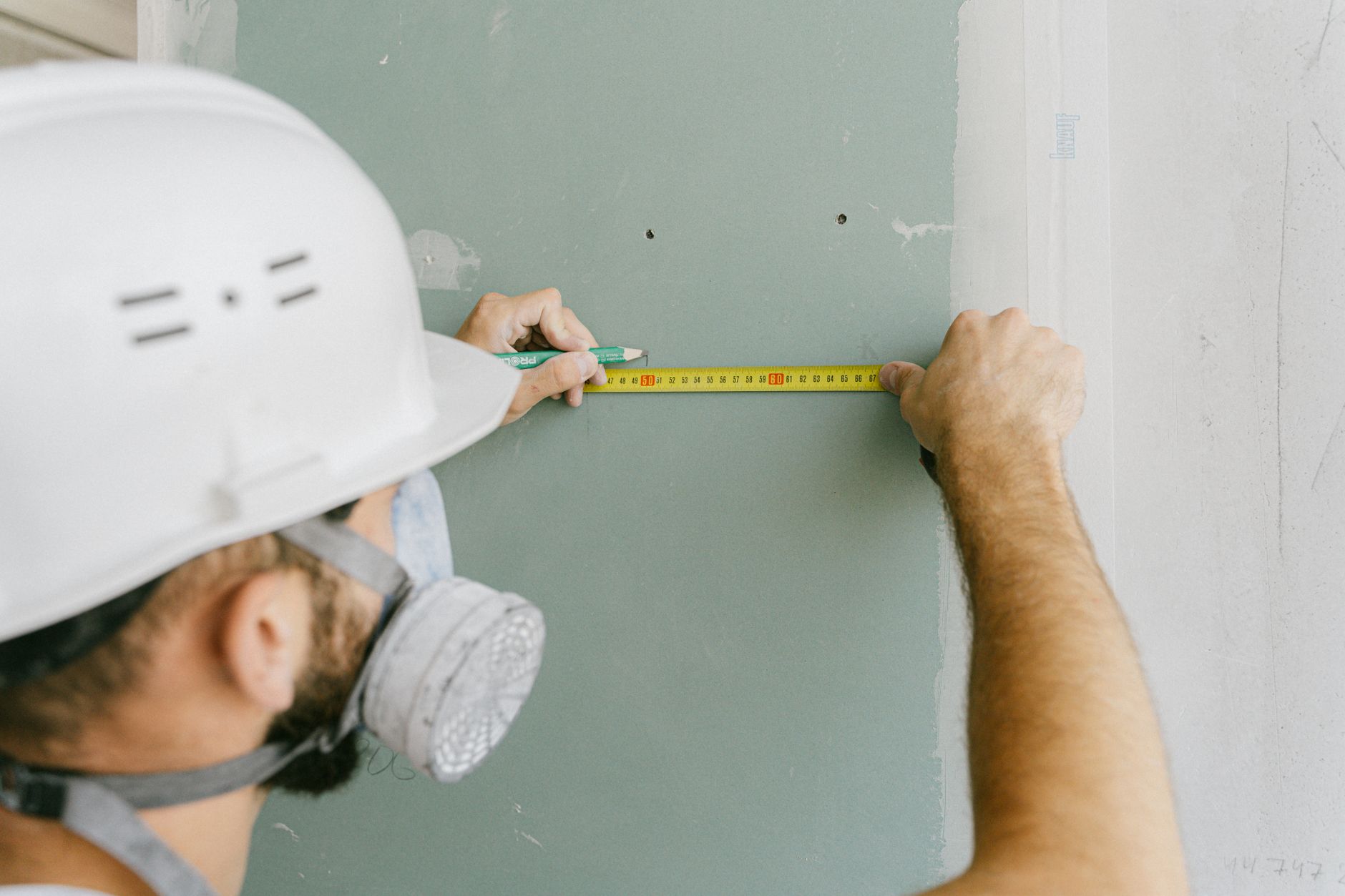
I ruined a bathroom tile drilling a hole for a towel bar. The bit skated across the glossy surface the second I pulled the trigger, leaving a scratch mark six inches long. The hole ended up off-center. The towel bar is crooked. I see it every morning.
A tile installer I hired for a later project watched me measure for a different hole and handed me a pencil. “You are going to need this,” he said. He was not talking about marking the spot.
Why Drill Bits Skid on Tile
Glazed ceramic and porcelain tiles are harder and slicker than wood or drywall. A standard drill bit has nothing to grip. When the bit starts spinning, it slides across the surface before it can bite in. The result is either a scratch or a hole in the wrong place — usually both.
The pencil trick gives the bit a physical barrier to push against. It cannot slide past it.
How to Do It
- Mark the hole location with a pencil or marker. Make a visible dot exactly where you want to drill.
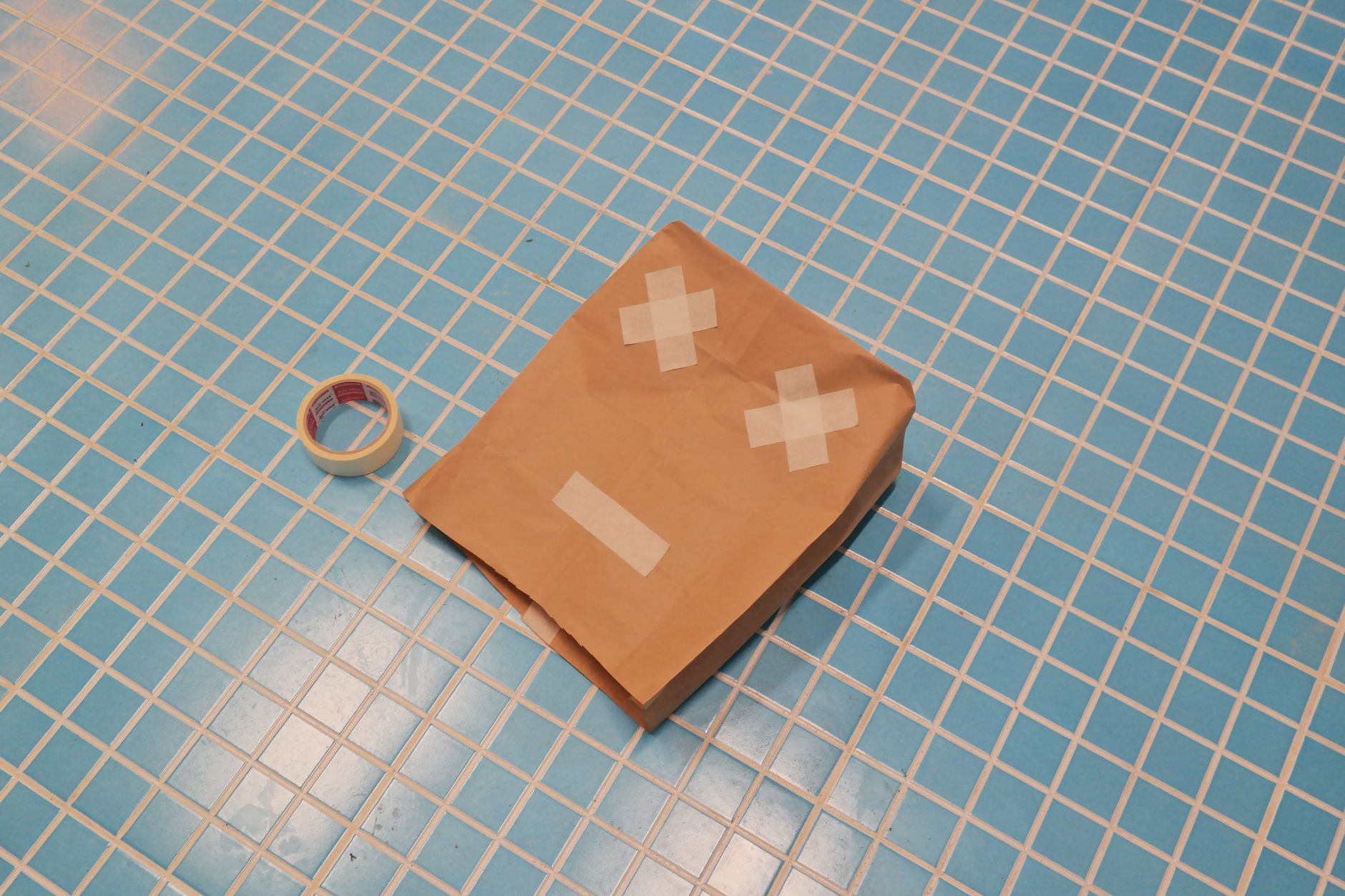
- Place a strip of masking tape over the mark. The tape adds grip for the bit and prevents the tile glaze from chipping at the edges of the hole.
- Hold a pencil horizontally against the tile with the tip touching the mark. Press the pencil firmly — the eraser end against your palm, the tip against the tape.
- Place the drill bit next to the pencil tip. The pencil acts as a fence. The bit physically cannot slide past it.
- Start drilling at low speed with light pressure. Once the bit has made a small divot, you can remove the pencil and tape and finish at full speed.
The entire sequence from tape to divot takes about ten seconds. It has worked on every tile I have drilled since the bathroom towel bar incident.
What Kind of Bit to Use
A regular masonry bit will not work well on glazed tile. You need a carbide-tipped or diamond-tipped tile bit. They are more expensive than masonry bits but one bit lasts through dozens of holes. Trying to save $8 on a bit is how you ruin a $12 tile.
Keep a spray bottle of water nearby and mist the bit every few seconds while drilling. Tile bits generate heat fast. Too much heat cracks the tile. The water cools the bit and the tile at the same time.
📋 Quick Summary: Use a pencil as a fence against the drill bit to prevent it from skating across glossy tile. Tape the spot first, start slow, and use a carbide-tipped tile bit — not a masonry bit.