Remove a Stripped Screw With Nothing But a Rubber Band
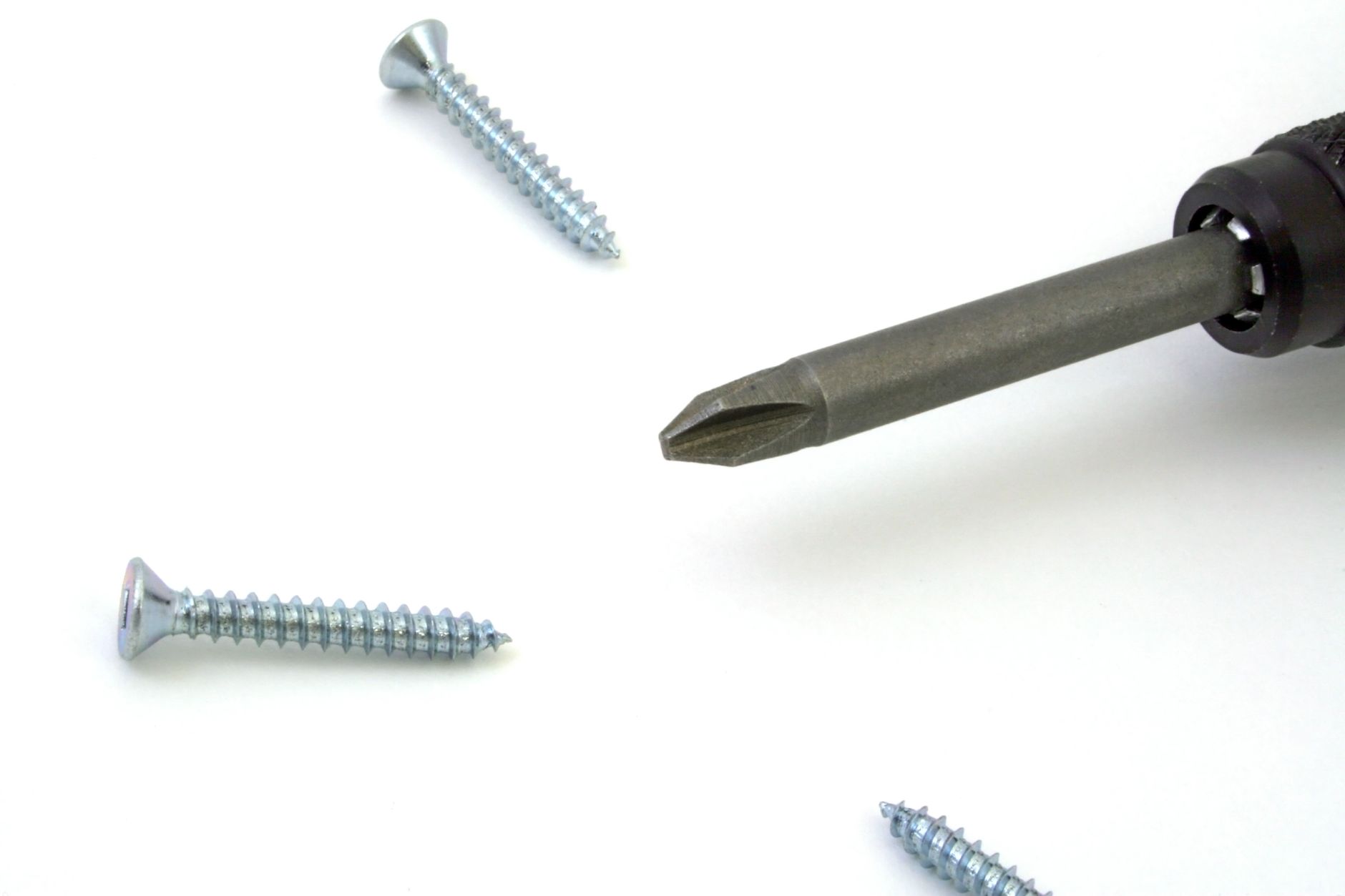
I once spent forty-five minutes trying to remove a single stripped screw from a door hinge. I tried a larger screwdriver. I tried pliers. I tried swearing at it — which did not help but felt necessary. My wife eventually came into the room and asked why I was fighting with a door at ten o’clock at night.
A wide rubber band solved it in under ten seconds. I stared at the extracted screw in my hand like it had personally insulted me for the past hour and then surrendered without a fight.
How the Rubber Band Trick Works
Place a wide rubber band flat over the stripped screw head. Press the tip of your screwdriver firmly into the rubber band and into what remains of the screw slot. Turn slowly with steady downward pressure. The rubber fills the stripped-out gaps and gives the screwdriver something to grip.
This works best with Phillips-head screws — the cross shape gives the rubber more surface area to grab. Flat-head screws are trickier, but a rubber band still helps if there is enough of a groove left. Use a manual screwdriver, not a power drill — the drill spins too fast and shreds the rubber before it can grip.
When the Rubber Band Is Not Enough
If the screw head is completely round — no slot left at all — you need more grip than a rubber band can provide. A few options:
Pliers: If any part of the screw head is exposed above the surface, grab it with locking pliers and turn slowly. This works surprisingly often.
Cut a new slot: Use a rotary tool with a cutting disc or a hacksaw blade to cut a new straight groove across the screw head. Then use a flat-head screwdriver like normal. This is my go-to when the rubber band fails.
Screw extractor kit: About ten dollars at any hardware store. You drill a small hole into the center of the screw, insert the extractor bit, and turn counterclockwise. The extractor bites into the metal and the screw backs out. Works on bolts too.
Prevent Stripped Screws in the Future
Most stripped screws happen because the wrong size screwdriver was used. A Phillips #1 driver in a #2 screw head will spin and strip the cross. Match the driver to the screw — it should fit snugly with no wobble. Also, push down firmly before you start turning. The downward pressure keeps the driver seated. Turning without pressure is what skips the bit out of the slot and rounds the edges.
📋 Quick Summary: Stretch a wide rubber band over the stripped head, push in with a manual screwdriver, and turn slowly — the rubber fills the gaps for grip. If that fails, cut a new slot or use a screw extractor.