The Hair Dryer Hack for Removing Old Wallpaper Without a Steamer
We bought a house where the previous owners apparently loved the 1980s. Floral wallpaper in the dining room. Striped wallpaper in the hallway. A border of geese wearing bonnets in the kitchen.
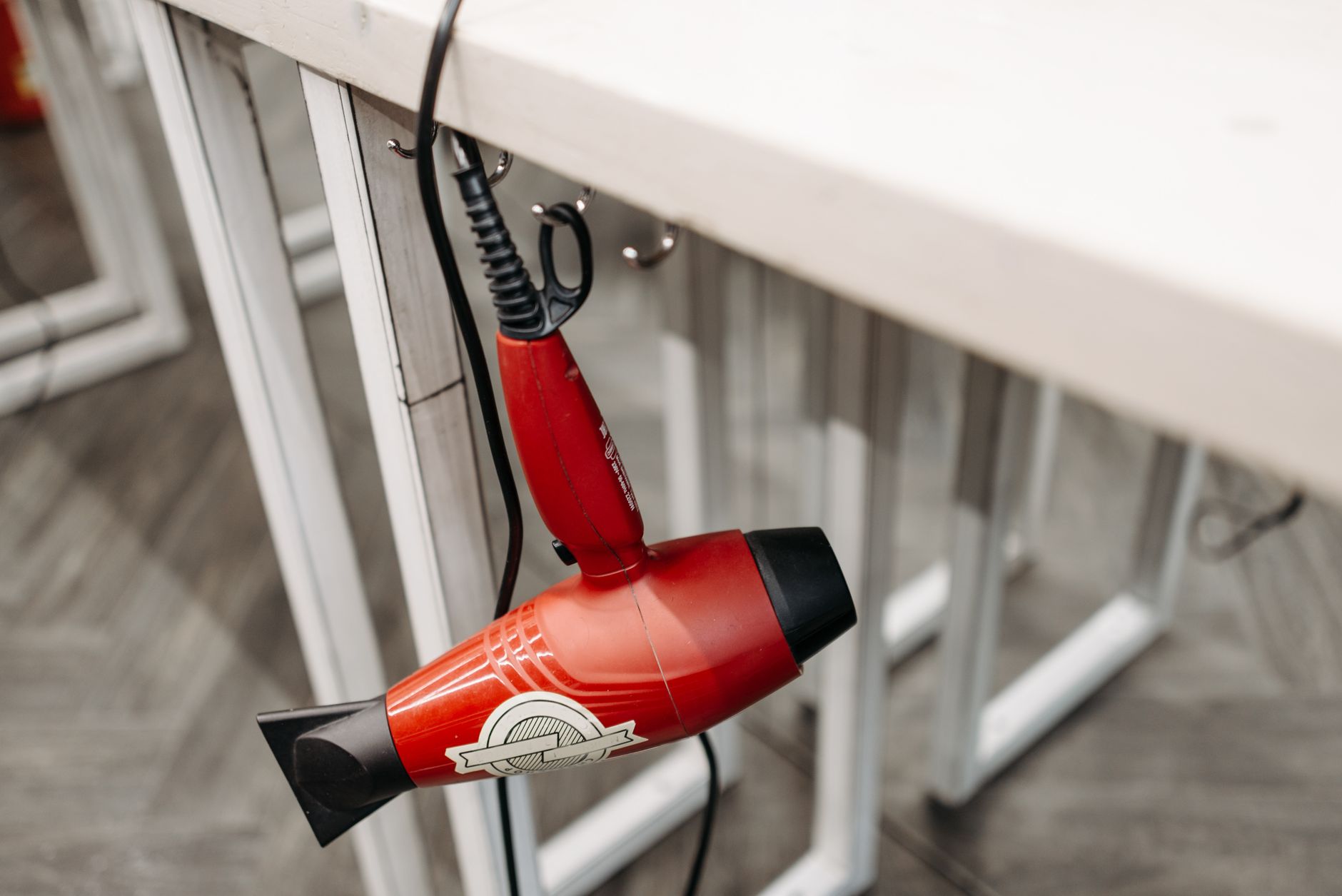
I rented a wallpaper steamer from the hardware store for the dining room. It worked, but it was heavy, dripped hot water on my arms, and cost forty dollars for the weekend. For the hallway, I used a hair dryer and it took half the time.
Why Heat Is What Removes Wallpaper
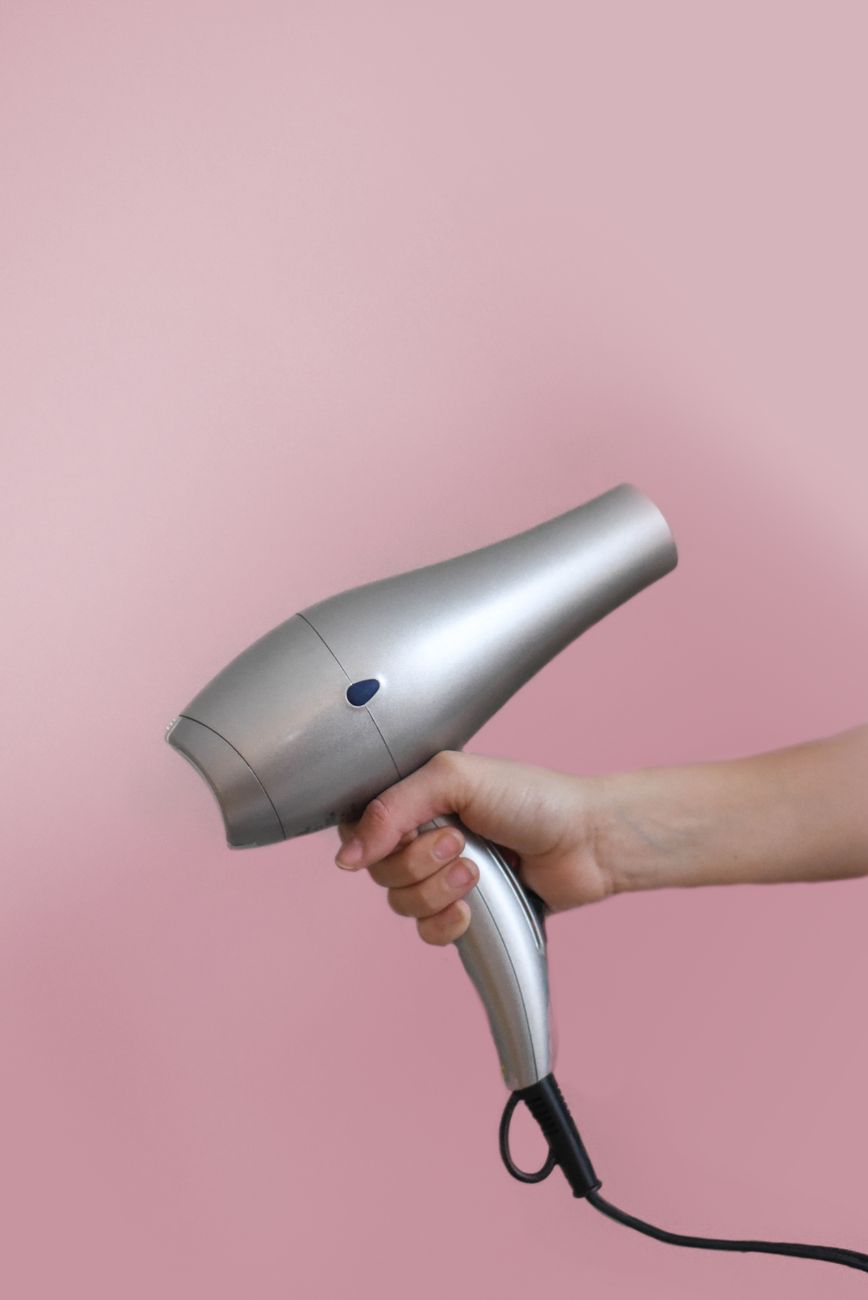
Wallpaper adhesive is thermoplastic—it softens when heated. A steamer delivers heat plus moisture, which works but makes a mess. A hair dryer delivers dry heat that softens the glue without soaking the drywall underneath.
The key is working in small sections. Heat softens the glue for maybe thirty seconds before it starts cooling and re-hardening. So you heat a two-foot section, peel it while it is warm, and move on.
The Method
Score the wallpaper first. Use a scoring tool—a little plastic wheel with teeth that pokes tiny holes in the paper without damaging the wall. This lets the heat penetrate to the adhesive layer. They cost about eight dollars at any hardware store. If you skip this step, the heat mostly bounces off the vinyl surface and does very little.
Use the highest heat setting, lowest fan speed. You want hot air, not fast air. Hold the dryer about two inches from the wall and move it slowly across a two-foot-by-two-foot area for about thirty seconds.
Start peeling from a corner or seam. Use a plastic putty knife to lift an edge. Once you have a flap, pull at a 45-degree angle, not straight out. Pulling straight out tears the paper. Pulling at an angle lets the heat-softened glue release cleanly.
Keep the dryer moving ahead of your peeling hand. Heat the next section while you peel the current one. This creates a rhythm—heat, peel, heat, peel. Once you find the flow, a wall goes surprisingly fast.
After the Paper Is Off
Wipe the walls with warm water and a little dish soap to remove residual glue. If glue residue remains and you paint over it, the paint will eventually bubble. A sponge and warm water takes care of it in one pass.
Let the walls dry completely—at least twenty-four hours—before priming and painting.
When a Hair Dryer Is Not Enough
If the wallpaper was applied directly to unprimed drywall (common in houses from the 70s and 80s), the paper is basically fused to the gypsum. In that case, a steamer or a chemical remover is the better choice. The hair dryer trick works best on wallpaper applied over a painted or primed surface.
📋 Quick Summary: Score the wallpaper, heat a two-foot section with a hair dryer on high heat/low fan, peel at a 45-degree angle while the glue is warm. Faster than a steamer, no rental fees, no dripping water.