Replace a Door Knob in 5 Minutes With One Screwdriver
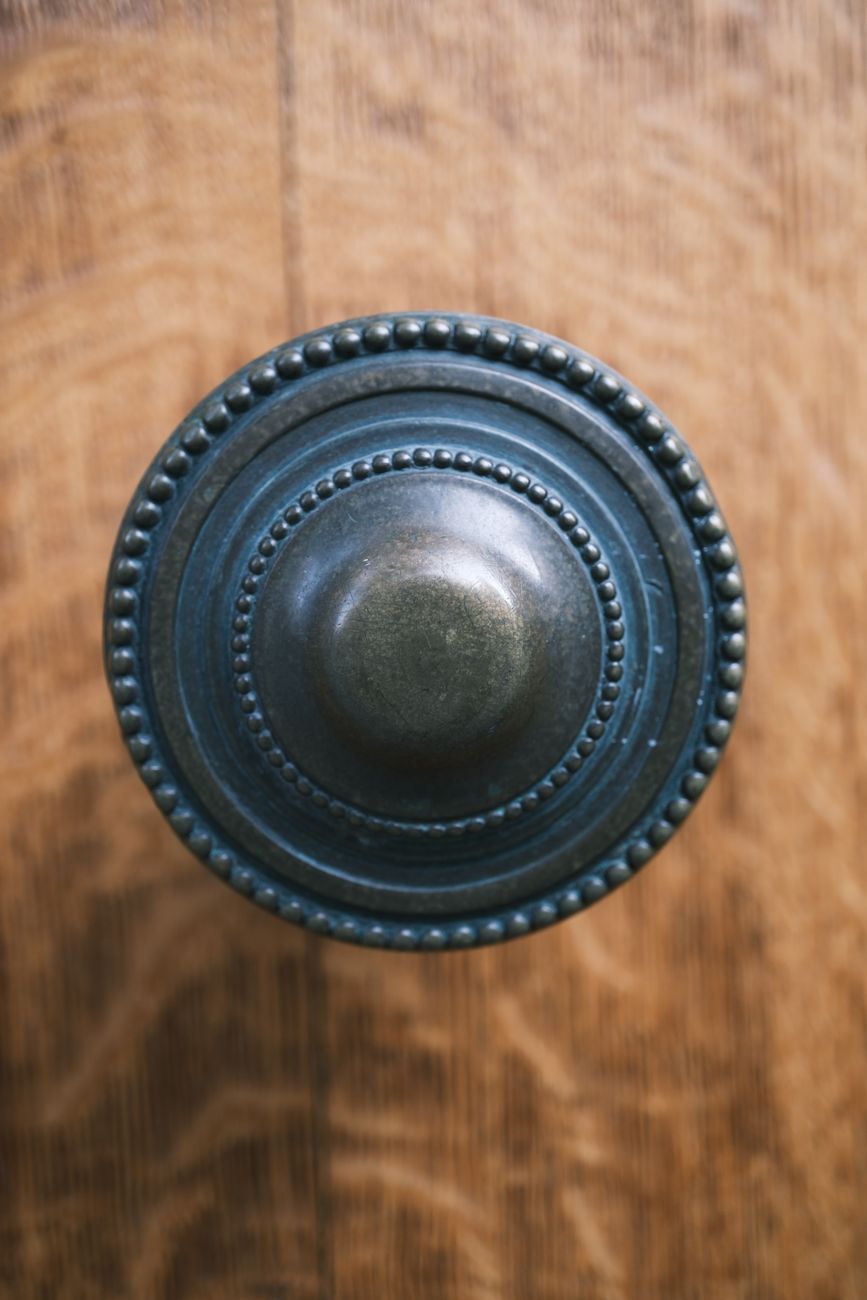
I lived with a broken bedroom door knob for eight months. Eight months. The latch was sticky — you had to jiggle the handle exactly right or the door would not open. I got good at the jiggle. Visitors did not. My sister got stuck in that room for five minutes, politely knocking, while I explained the jiggle technique through the door.
When I finally replaced it, the whole job took four minutes and forty-seven seconds. I timed it. I had been avoiding a five-minute task for most of a year because I assumed door hardware was complicated. It is not.
What You Need
One Phillips-head screwdriver. That is it. Maybe a flathead to pop off the old cover plate if it is a decorative style. The new knob comes with everything else. Every door knob box includes the knob, the latch mechanism, the strike plate, and the screws. You do not need to buy anything separately.
The Four Screws
Replacing a door knob involves exactly four screws. Two in the old knob, two in the new one.
- Unscrew the two visible screws on the interior side of the old knob. They are on the rose — the round plate against the door. Once those are out, both sides of the knob pull apart.
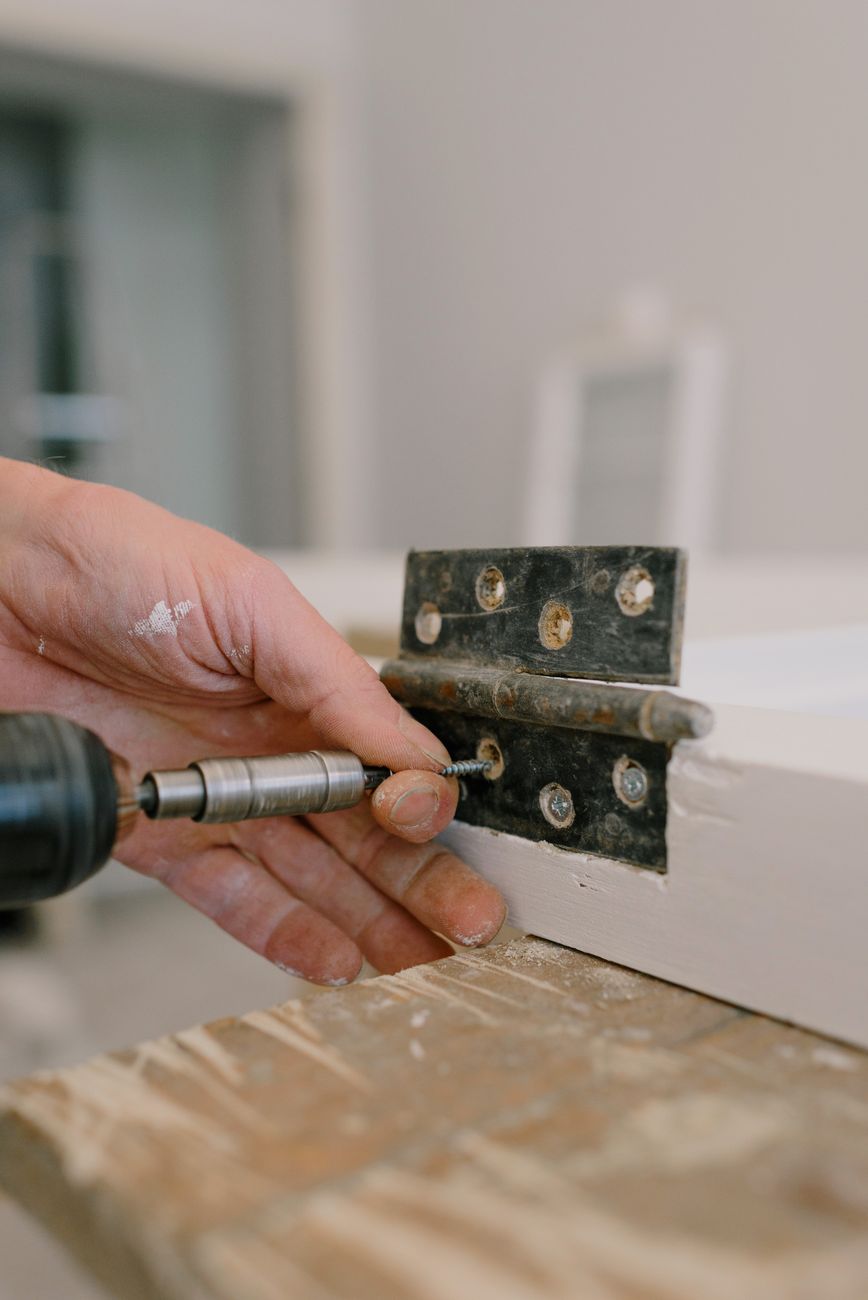
- Remove the two screws in the latch plate on the edge of the door. Slide the old latch out.
- Slide the new latch in — the curved side faces the direction the door closes. Two screws back in.
- Align the two halves of the new knob through the latch hole. The spindle goes through the square hole in the latch. Press together. Two screws back into the rose. Done.
The One Thing That Trips People Up
The latch has a curved side and a flat side. The curved side must face the direction the door closes. If you install it backward, the door will not latch — it will bounce open. This is the most common mistake and it takes ten seconds to fix by flipping the latch around. You will know immediately if you got it wrong because the door will not stay closed.
Also: some knobs have a small slot on the shank with a catch inside. If the two halves will not slide together, press the catch with a small screwdriver while sliding. This is not a defect — it is a security feature meant to prevent the outside knob from being removed from the outside. It only affects exterior locking knobs.
When to Replace the Strike Plate
The strike plate is the metal piece on the door frame that the latch clicks into. Your new knob comes with a new strike plate. If the old one is worn or the new latch does not align with it, swap it. Two screws. Use the old screw holes if they line up. If they do not, fill the old holes with a toothpick dipped in wood glue, let it dry, then drill new pilot holes.
If the new latch hits the strike plate too high or too low — the door latches but you have to lift or push down on the knob — the door or frame has settled. You can file the strike plate hole larger with a metal file. Or move the plate slightly. Either fix takes five minutes.
I replaced all the knobs in my house over the course of a single afternoon. The first one took ten minutes because I was reading the instructions. The next five took four minutes each. The old brass ones went to the Habitat ReStore. Eight months of jiggling solved in under five minutes.
📋 Quick Summary: Four screws total. Unscrew the old rose plate, remove the latch, slide in the new one, screw together the new knob. Curved side of latch faces the door-closing direction. One screwdriver, five minutes.