Smart Plugs That Actually Save Money — I Did the Math
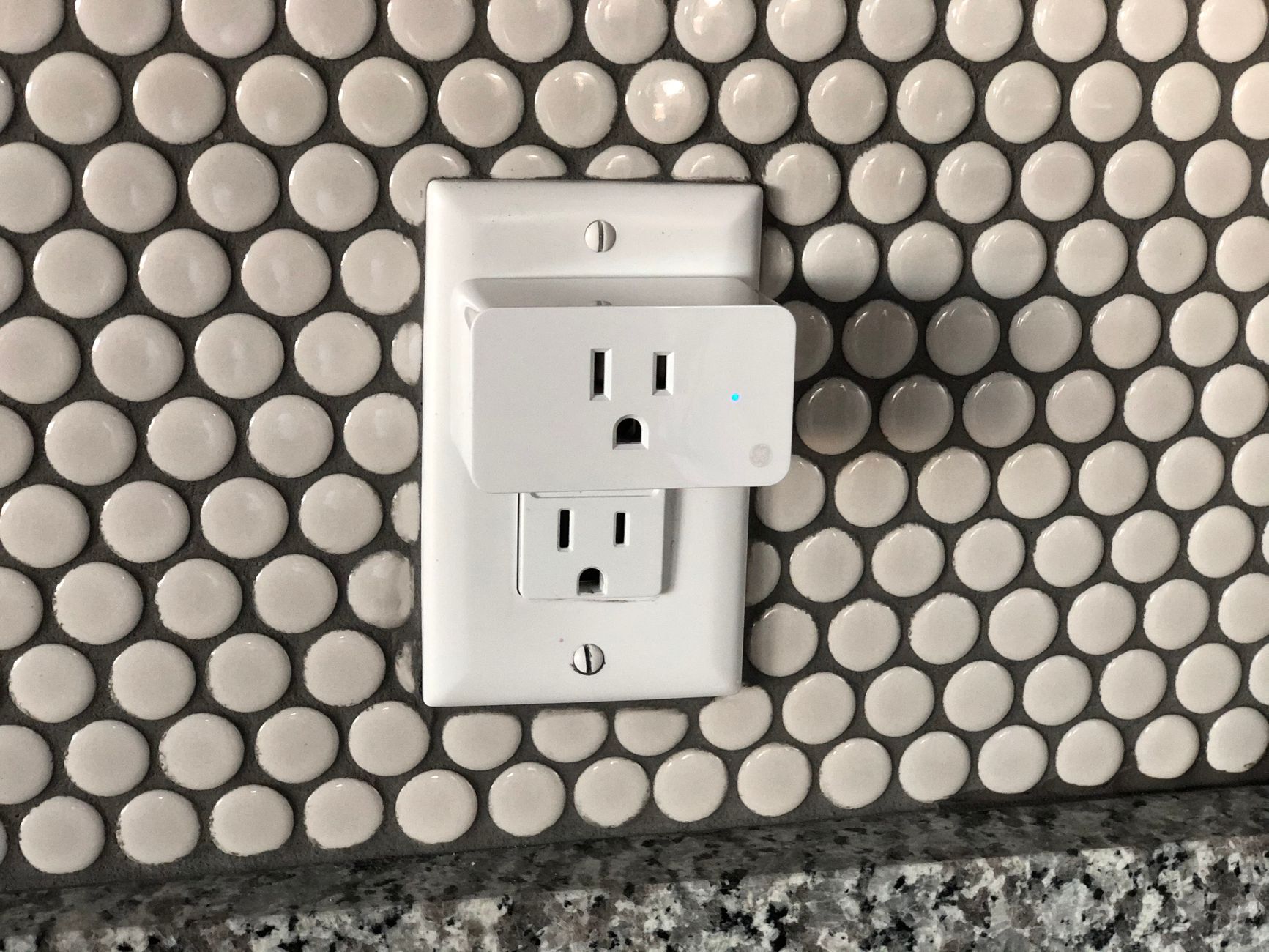
Smart plugs cost about eight dollars each now. I bought a four-pack last year thinking they were a gadget-y toy I would use for a week and forget about. Instead, they have saved me roughly sixty dollars on electricity in twelve months. Not a fortune. But the plugs paid for themselves three times over.
Here is exactly how I use them and the math behind the savings.
1. The “Vampire” Power Strip (Saved: ~$20/year)
I plugged my TV, game console, and soundbar into a power strip connected to a smart plug. These devices draw power even when “off” — the TV stays in standby to respond to the remote, the console updates games in the background. Combined, they pulled about 15 watts continuously when idle.
I set the smart plug to turn off at midnight and back on at 6 PM (when I actually use them). That is 18 hours a day of zero power draw instead of 15 watts. At my electricity rate of about 13 cents per kilowatt-hour, that saved roughly $22 the first year. The plug cost eight dollars. Net positive in under five months.
2. Scheduled Coffee Maker (Saved: ~$15/year)
My old coffee maker did not have a timer. It kept the hot plate on for two hours every morning whether I needed it or not — about 100 watts for two hours = 0.2 kWh per day. I put it on a smart plug that turns on at 6:45 AM (so the coffee is ready when I wake up) and off at 7:30 AM (when I am done pouring).
That is 45 minutes of hot plate instead of 120. Saved about 0.125 kWh per day. Adds up to roughly $15 a year. Again — the plug was eight dollars.
3. Holiday Lights Automation (Saved: ~$10/year)
I used to leave holiday lights plugged in and forget to unplug them. For a month straight, they ran 24/7 — about 60 watts of incandescent string lights, burning 1.44 kWh per day. The smart plug now turns them on at sunset and off at midnight. Same festive effect, half the runtime, and I never have to remember to unplug them in the cold.
4. The Dehumidifier Timer (Saved: ~$15/year)
My basement dehumidifier ran whenever the humidity hit a threshold — often in the middle of the night when electricity is cheaper anyway, but it also ran during peak afternoon hours. I put it on a smart plug that only allows power between 10 PM and 7 AM, when my utility charges off-peak rates (about 40% cheaper). The basement is just as dry. The bill is lower.
What Smart Plugs Cannot Do
They work for resistive loads — things with simple on/off states: lamps, coffee makers, fans, dehumidifiers, power strips, holiday lights. They do not work well for anything with a motor that needs to ramp up (large air conditioners, refrigerators) or electronics that need a soft shutdown (computers). Cutting power to a computer is bad for it. Use the smart plug on the monitor and peripherals instead.
I have four smart plugs. They cost $32 total. They have saved about $60 in a year. Not life-changing money but I did literally nothing after setting them up — the schedules run automatically. That is $60 I did not have before.
📋 Quick Summary: Put entertainment centers on a night-off schedule (saves ~$20/yr). Timer your coffee maker (saves ~$15/yr). Automate holiday lights. Shift dehumidifiers to off-peak hours. Four smart plugs can pay for themselves in under a year through electricity savings alone.