Save on Kids Clothes When They Outgrow Everything in Months
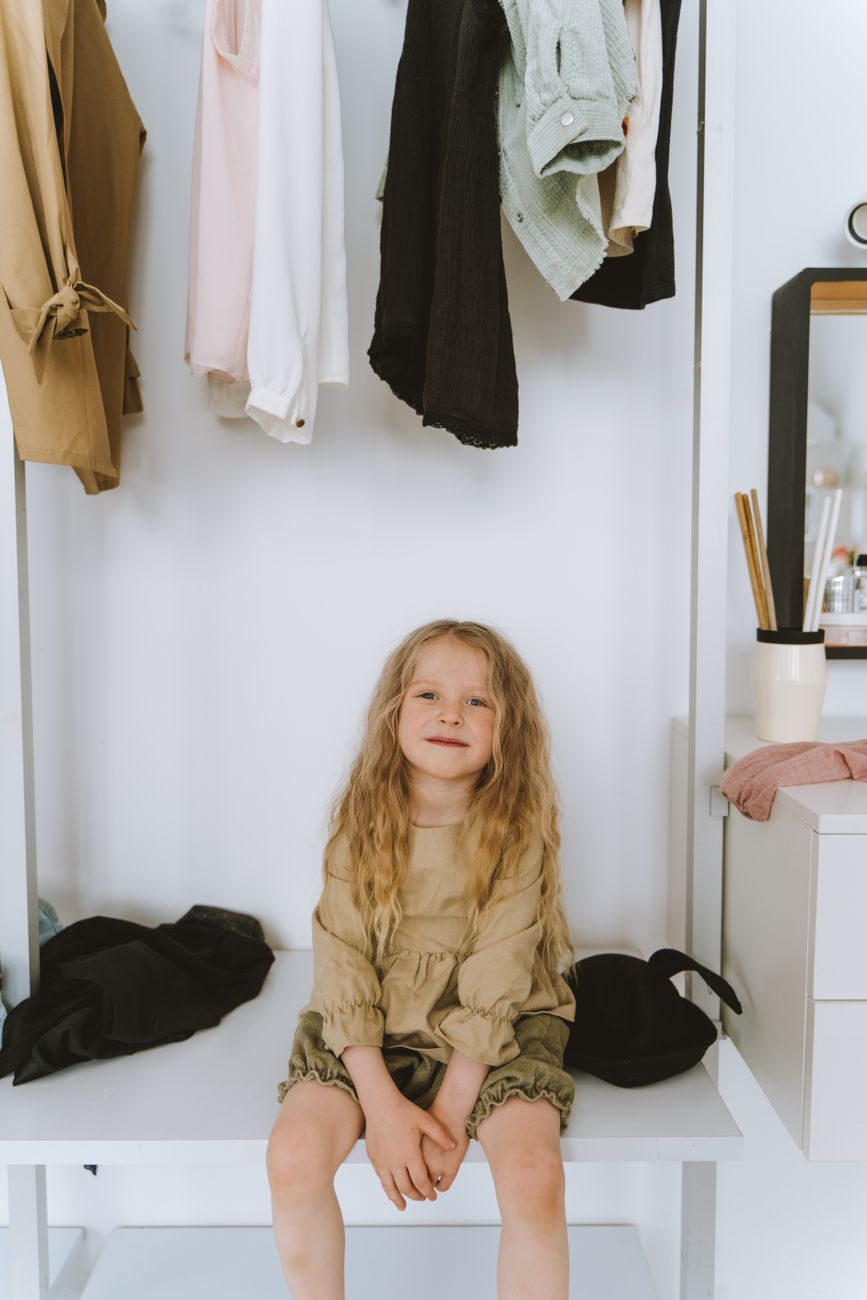
My nephew grew three inches in six months. His pants from September were capris by March. My sister was buying new clothes every season and the costs were not trivial. Then she discovered a system that cut her kids’ clothing budget by about seventy percent. I have since recommended it to every parent I know.
Buy next season at the end of this season
This is the single most impactful rule. Buy winter coats in February, swimsuits in August, and back-to-school clothes in October. Retailers slash prices by fifty to eighty percent at the end of a season to clear inventory. A forty-dollar winter jacket becomes twelve dollars. Buy one size up from what your child wears now, store it in a labeled bin, and pull it out when the season rolls around.
The risk is guessing wrong on size. Kids grow unpredictably. My sister keeps a simple growth chart on the wall and checks before buying ahead. If her son grew two inches since last winter, she buys two sizes up, not one. If he plateaued, one size up is safe. It is not perfect, but it is right enough times to save hundreds per year.
Secondhand is not second-rate
Kids wear clothes for months, not years. A secondhand jacket has been worn maybe forty times. It still has years of life. Online resale platforms and local parent buy-sell-trade groups sell bundles of kids’ clothes for a fraction of retail. My sister once got an entire season’s worth of toddler clothes ten shirts, eight pants, two jackets, three pairs of shoes for forty dollars from a neighbor whose child had outgrown them.
For shoes, buy secondhand cautiously. Worn-in shoes mold to the original wearer’s foot shape and can cause gait problems for a different child. Shoes are the one category worth buying new, or only secondhand if they show minimal wear on the soles.
Create a capsule wardrobe
A child does not need twenty shirts. They need about seven to ten tops and five to seven bottoms in colors that all match each other. Everything goes with everything else. Getting dressed takes thirty seconds. Laundry takes one load. You always know how many clean outfits remain because the numbers are small enough to track visually.
Rotate outgrown items immediately. Do not keep them in the drawer “just in case” they still fit. If they do not fit, they go into a donate bin that lives in the closet. When the bin is full, it goes to a local charity or is sold as a bundle. The bin also serves as a visual signal when it fills every two weeks, you know exactly how fast your kid is growing.
Quick Summary: Buy end-of-season clearance one size up, use secondhand bundles for everyday clothes, build a capsule of seven to ten tops and five to seven bottoms in matching colors, and invest only in new shoes.