Mulching 101 — Save Water and Stop Weeds
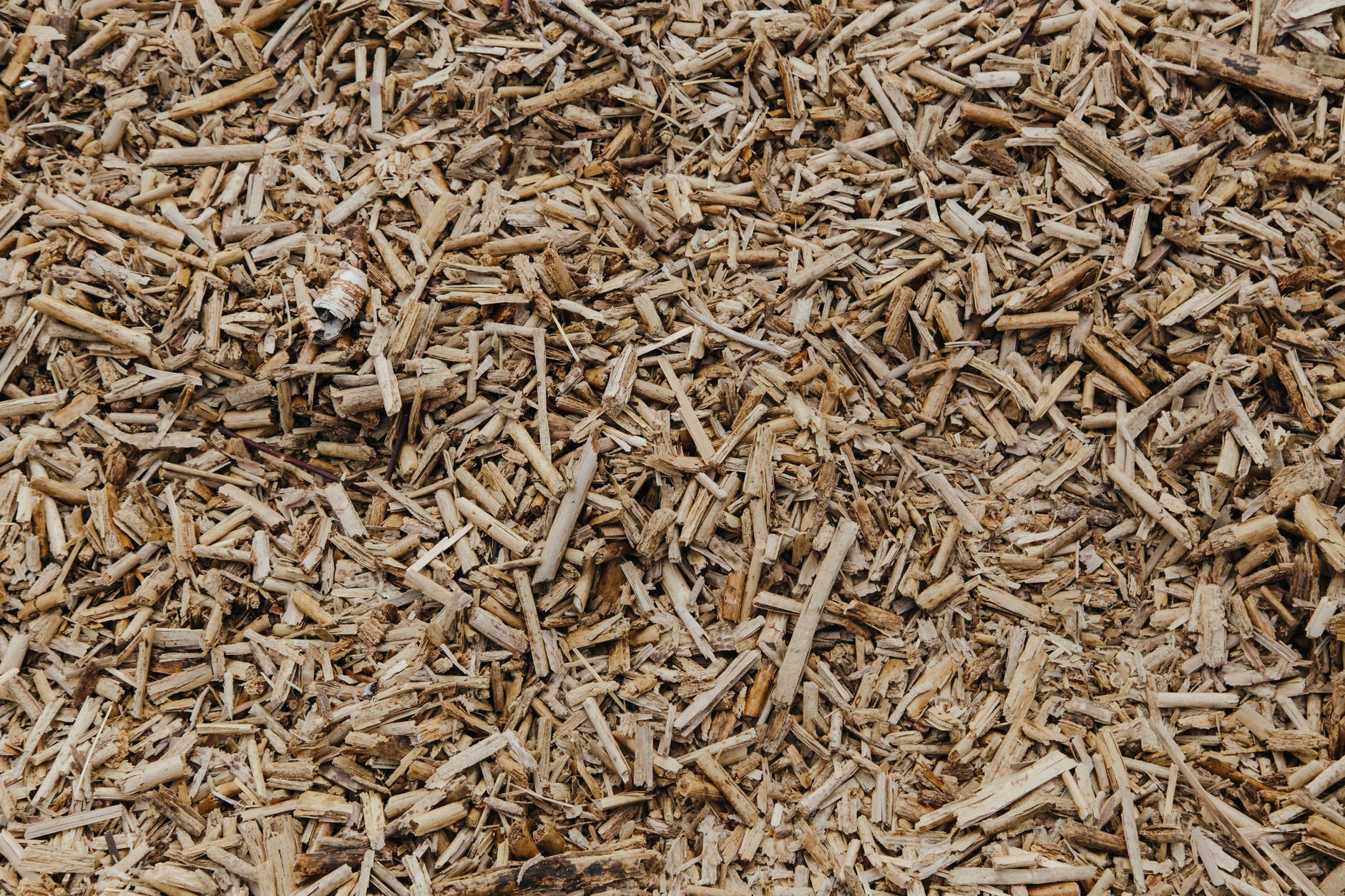
Two summers ago I spent more time weeding than actually enjoying my garden. Every Saturday morning, crouching in the dirt, pulling the same weeds I pulled the week before. I complained to my neighbor — the one with the suspiciously perfect flower beds — and she said one word: “Mulch.”
I had heard of mulch. I thought it was decorative. I was very wrong.
Mulch is the single most impactful thing you can do for a garden bed. It suppresses weeds, retains soil moisture, regulates soil temperature, and — depending on the type — adds nutrients as it breaks down. It is not optional if you want to spend less time maintaining and more time enjoying.
” alt=”Fresh wood mulch spread around garden plants”>
Which Mulch to Use
There is no single best mulch. It depends on what you are growing and how much you want to spend.
- Wood chips or shredded bark. $3-5 per bag, lasts 1-2 years. Best for flower beds, shrubs, and trees. Looks clean and natural. Breaks down slowly.
- Straw. $8-12 per bale, covers a lot of ground. Best for vegetable gardens. It is light, easy to spread, and breaks down into good organic matter by the end of the season.
- Grass clippings. Free. Spread thin (1-2 inches max) — if you pile them thick, they mat together and stink as they decompose. Best for vegetable beds. Use only clippings from untreated lawns.
- Shredded leaves. Also free. Run over fallen leaves with a lawn mower to shred them, then spread 2-3 inches thick. Best for overwintering beds and around perennials.
I use straw for my vegetable beds and wood chips around the flowers. The straw costs about $10 a year and saves me hours of weeding.
How to Apply Mulch Properly
The most common mistake is mulch volcanoes — piling mulch up against tree trunks and plant stems like a cone. This traps moisture against the bark and causes rot, disease, and pest problems. Keep mulch 2-3 inches away from stems and trunks.
Spread mulch 2 to 4 inches deep. Less than two inches and weeds push through. More than four inches and water cannot reach the soil — rain gets absorbed by the mulch layer and evaporates before hitting roots.
Water the soil before mulching, not after. Dry soil under mulch stays dry. Wet soil under mulch stays wet. Get the moisture in the ground first, then seal it in.
The first year I mulched, my weeding time dropped from two hours every weekend to maybe 20 minutes. I actually sat in a chair in my garden and read a book. That had never happened before.
📋 Quick Summary: Spread 2-4 inches of mulch, keep it away from plant stems, water soil before applying. Wood chips for flower beds, straw for vegetables. It cuts weeding by 90% and reduces watering needs.