The Reusable Silicone Baking Mat That Replaced All My Parchment Paper
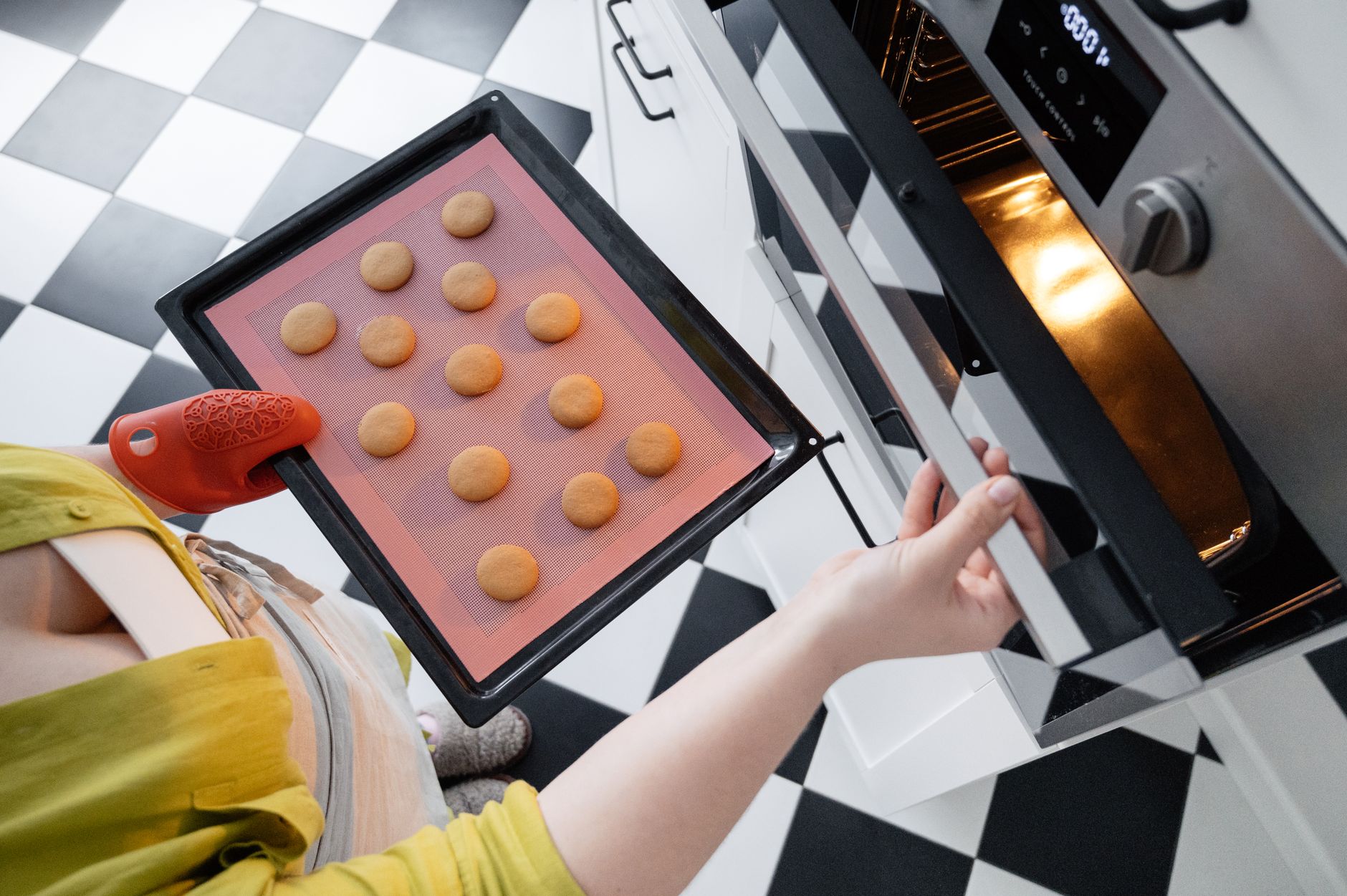
I was buying a roll of parchment paper every couple of months. Not a huge expense — maybe five dollars a roll — but the waste bothered me. A sheet used once, thrown away, with nothing wrong with it except it had cookie residue on it. Over a year that is 60 sheets in the trash. Over five years it is 300.
What a Silicone Baking Mat Actually Does
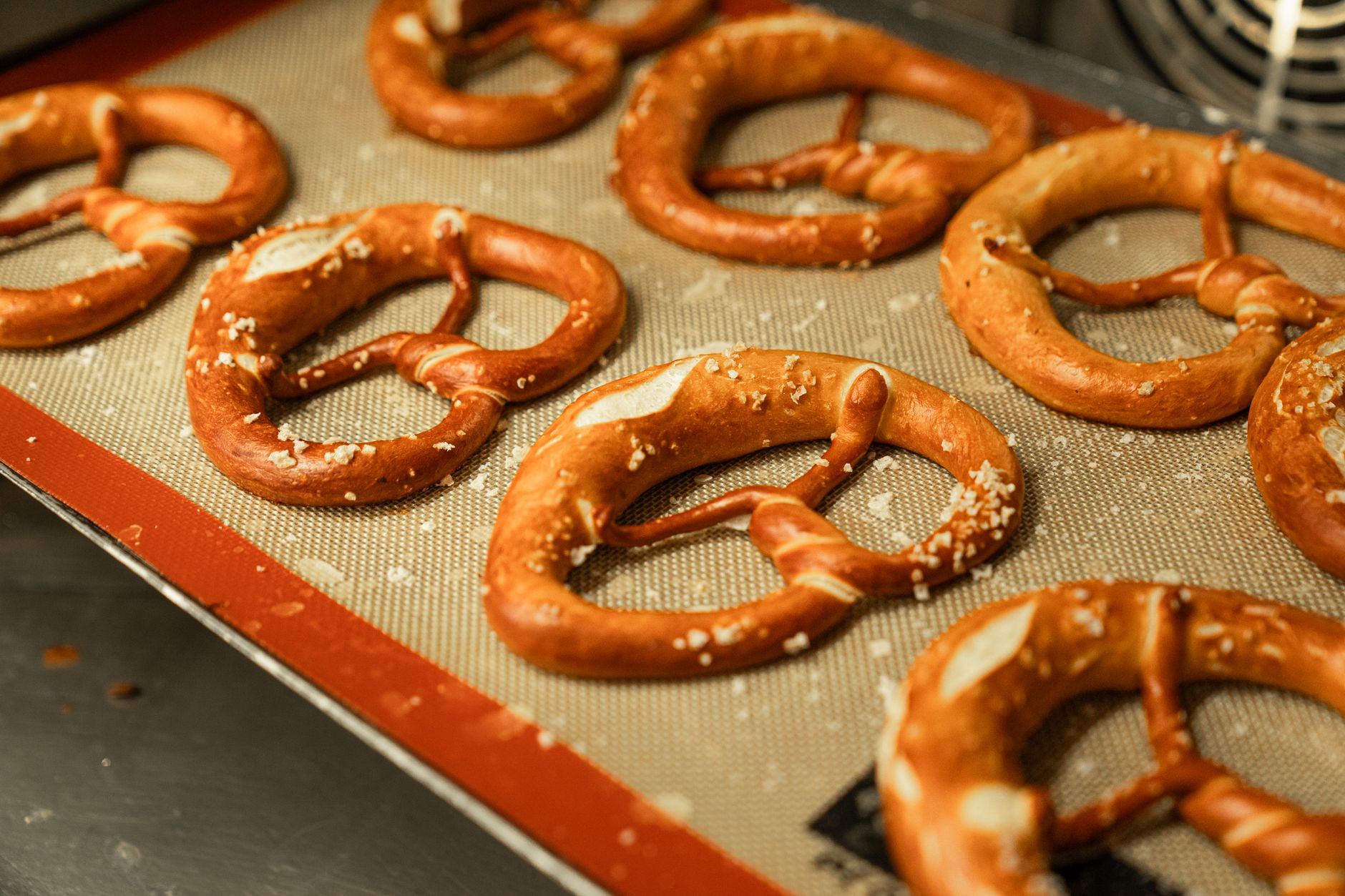
A silicone baking mat is a flexible sheet of fiberglass mesh coated in food-grade silicone. You lay it on a baking sheet just like parchment paper. Cookies, roasted vegetables, frozen pizza — anything you would put on parchment goes on the mat instead. Nothing sticks. You wash it with soap and water, dry it, and use it again. And again. And again.
I bought a two-pack for about 12 dollars three years ago. Both mats are still in perfect condition. I have not bought parchment paper since. The math works out to roughly four dollars a year for something I was spending 30 dollars a year on before. But honestly the convenience of never running out of parchment paper mid-recipe is worth more than the money saved.
Things Silicone Mats Do Better Than Parchment
- They do not curl up at the edges. Parchment paper always rolls up when you are trying to spoon cookie dough onto it, and one corner inevitably folds over and ruins two cookies. A silicone mat lies completely flat. Every time.
- They do not slide around. Parchment paper has no grip on a metal baking sheet. A silicone mat has a slightly grippy underside. Your cookies stay put when you slide the tray in and out of the oven.
- Reusable for roasting vegetables. Parchment paper starts to char at high roasting temperatures (above 425°F). A good silicone mat handles up to about 480°F. I roast broccoli on mine at 450°F all the time with no issues.
- Even browning. Silicone distributes heat evenly so the bottoms of cookies brown uniformly. Parchment paper can create hot spots where the paper touches the metal sheet directly.
What They Do Not Do Well
Silicone mats are not great for crispy-bottom foods. Because they insulate slightly, the bottom of a pizza or a loaf of artisan bread will not get as crisp as it does on parchment or directly on a hot stone. For those, I still use a pizza stone or a bare baking sheet.
Also, silicone absorbs strong smells over time — if you roast garlic-heavy vegetables on the same mat you use for chocolate chip cookies, the cookies might pick up a faint garlic note. I keep two mats: one for savory, one for sweet. Problem solved.
Cleaning and Care
Wash with warm soapy water and a soft sponge. Do not use abrasive scrubbers — they can scratch the silicone surface and reduce its non-stick performance. For stubborn spots, soak the mat in hot water with a little baking soda for 15 minutes, then wash normally. Do not put silicone mats in the dishwasher — the harsh detergent degrades the silicone over time.
📋 Quick Summary: A two-pack costs $12 and lasts years. Replaces parchment paper for cookies, roasting, and most baking. Lies flat, does not slide, handles up to 480°F. Not ideal for crispy-bottom breads. Use separate mats for savory and sweet to avoid flavor transfer.
If you bake even once a week, silicone mats pay for themselves in a few months. And your trash can will be noticeably emptier.