Insulate Windows for Winter Without Plastic Film
The window above my desk leaked cold air like someone left it cracked open. In January, I worked in a hoodie, fingerless gloves, and a blanket on my lap. The plastic film kits from the hardware store work — but they leave adhesive residue, look terrible, and you cannot open the window until spring.
I wanted something that was removable, reusable, and did not make my office look like a crime scene. Here is what actually worked.
Rope Caulk: The Underrated Hero
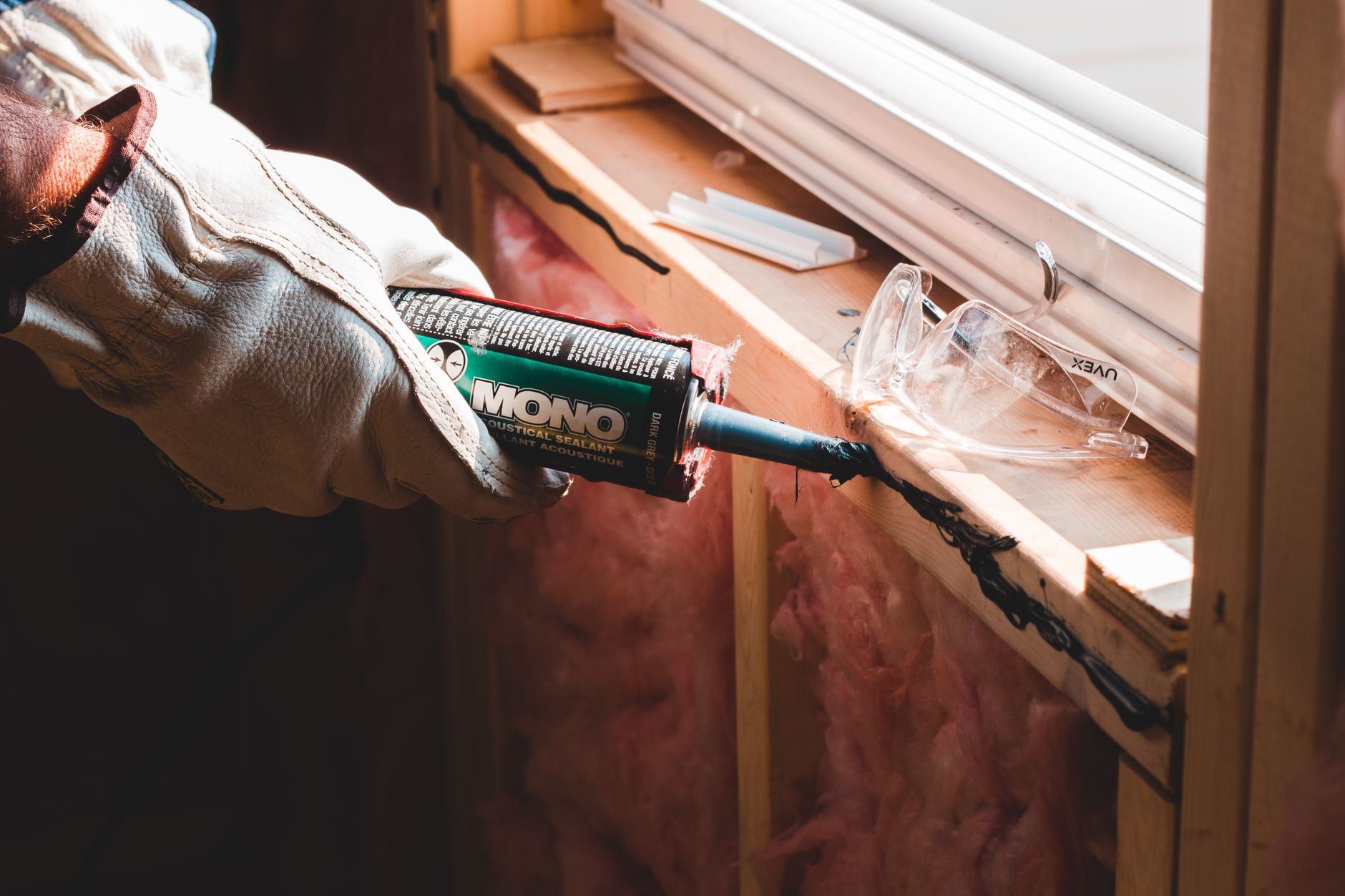
Rope caulk is a putty-like cord that presses into window gaps and peels off clean in spring. It comes in a roll for about $5. Tear off a strip, press it into the gap between the window sash and frame, and smooth it with your finger. It seals the draft instantly and is completely removable without tools or residue.

Run your hand along the window edges on a cold day. Anywhere you feel cold air, press rope caulk. Check the meeting rail — where the top and bottom sashes meet. That gap is often the biggest leak.
Weatherstripping for Movable Parts
Adhesive foam weatherstripping tape ($4-8 per roll) goes on the parts of the window that open and close. Apply it to the bottom of the lower sash and the top of the upper sash — anywhere two surfaces meet. It compresses when you close the window, creating a seal. Lasts one winter, easy to replace.
For double-hung windows, add a strip along the sides where the sash slides against the track. Use V-seal or compression weatherstripping — not the thick foam, which will jam the window.
Thermal Curtains — The Non-Plastic Solution
A good set of thermal curtains ($25-50 per panel) blocks drafts and creates an insulating air pocket between the curtain and the glass. Close them at night, open them during the day to let sunlight heat the room. They pay for themselves in one winter of reduced heating bills.
I combined rope caulk on the worst window with thermal curtains across the whole wall. My office was 8 degrees warmer the next morning. The fingerless gloves went back in the drawer.
📋 Quick Summary: Press rope caulk into window gaps for a removable seal, apply adhesive weatherstripping to moving sash edges, and hang thermal curtains to create an insulating air barrier. No plastic film required.