My Kitchen Cabinet Refresh That Cost Under $200
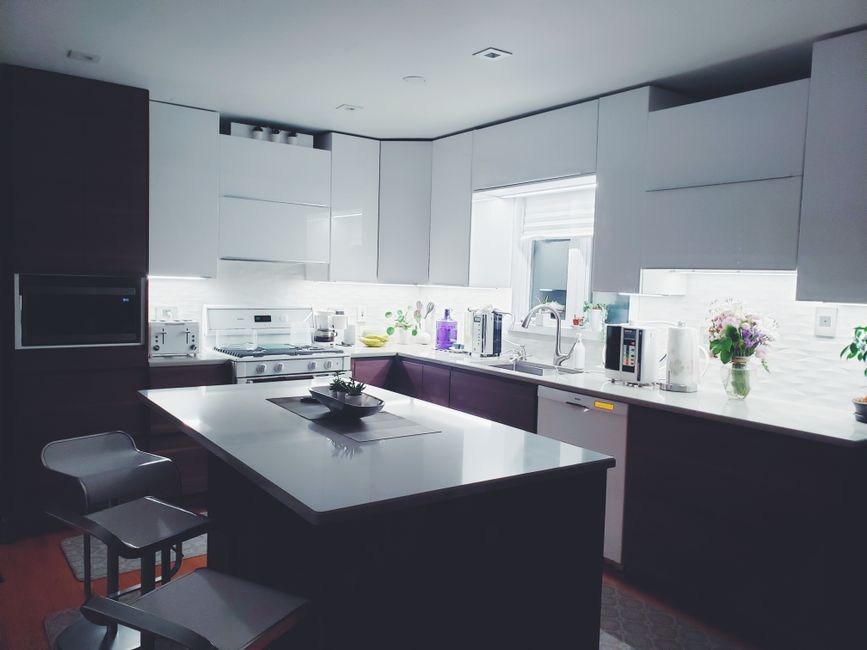
My kitchen cabinets were the original ones from when my house was built in the late 1990s. They were solid oak, which was actually a point in their favor, but they were also a honey-golden color that screamed “builder-grade” and had accumulated two decades of grease, grime, and wear around the handles. Replacing them would have cost somewhere between $8,000 and $15,000, which was absolutely not in my budget. Painting them seemed like the obvious solution, but I had heard horror stories about DIY cabinet painting — peeling paint, visible brush strokes, doors that would not close properly afterward.
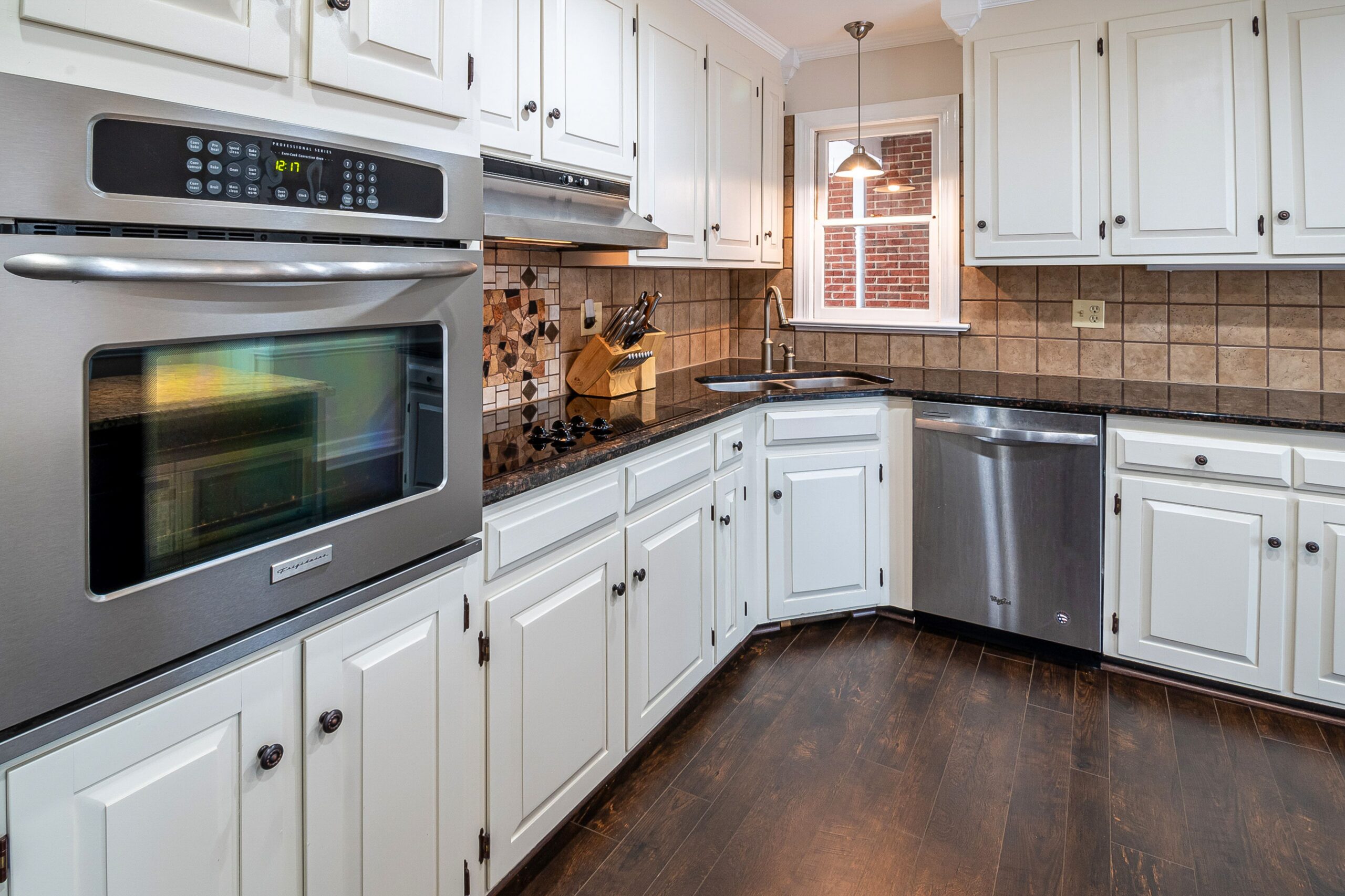
I spent about a month researching before I touched anything. Here is everything I learned and exactly what I did.
The prep work is ninety percent of the job. I know everyone says that about painting, but with cabinets, it is especially true because kitchen cabinets accumulate a layer of cooking grease that paint will not adhere to. I took every door and drawer front off the cabinets and removed all the hardware. I labeled each door and its corresponding hinge location with numbered painter’s tape so I would not have to play a puzzle game trying to figure out which door went where during reassembly.
Cleaning came first, and water alone will not cut through kitchen grease. I used a product called TSP — trisodium phosphate — mixed with warm water according to the directions on the box. I wore rubber gloves because TSP is harsh on skin. I scrubbed every surface twice: once to remove the bulk of the grime and a second time to make sure nothing remained. The difference in the color of the rinse water between the first and second pass told me how necessary this step was.
After cleaning, I lightly sanded every surface with 220-grit sandpaper. The goal was not to remove the existing finish entirely — just to scuff it up so the primer had something to grip. I used a sanding sponge for the detailed areas around the cabinet frames. After sanding, I wiped everything down with a tack cloth to remove all the dust.
For primer, I used a high-adhesion bonding primer specifically formulated for slick surfaces. Regular wall primer will not stick properly to cabinets, and using the wrong primer is the main reason DIY cabinet paint jobs fail. I applied the primer with a foam roller for large flat areas and an angled brush for corners and detailed trim. I let the primer cure for a full 24 hours before painting — the can said four hours was sufficient, but I was not taking chances.
The paint I chose was a premium cabinet enamel in a satin finish. The color I went with was a warm gray called “Repose Gray” that brightened the kitchen significantly. Cabinet enamel is self-leveling, which means brush strokes settle out as it dries. I used the same roller-and-brush approach as with the primer, applying two thin coats rather than one thick one. The thinner coats dry faster and level better.
While the doors were drying in my garage on a makeshift painting station made from sawhorses and scrap wood, I tackled the cabinet frames in the kitchen. This was actually harder than painting the doors because I had to work around the countertops, and there were more angles and corners. I used the same process — clean, sand, prime, paint — and took my time.
The new hardware was the finishing touch that made the cabinets look completely different. I replaced the dated brass knobs with matte black bar pulls that I found on sale at a home improvement store. The hardware cost about $60 total, and it modernized the look more than I expected. I used a cabinet hardware template — a small plastic jig that costs about five dollars — to drill the new holes perfectly aligned on every door.
The entire project took one full weekend plus evenings during the following week. Total cost was just under $200: $25 for TSP and cleaning supplies, $25 for sandpaper and tack cloth, $35 for primer, $45 for paint, $60 for new hardware, and about $10 for miscellaneous supplies. Two years later, the cabinets still look great. There is one small chip on the most-used drawer below the sink, but a quick touch-up with the leftover paint fixed it in five minutes.
📋 Quick Summary
- Here is everything I learned and exactly what I did.
- I replaced the dated brass knobs with matte black bar pulls that I found on sale at a home improvement store.
- Cleaning came first, and water alone will not cut through kitchen grease.
- I scrubbed every surface twice: once to remove the bulk of the grime and a second time to make sure nothing remained.