I Finally Learned to Read Food Labels and Realized I Had Been Eating Dessert for Breakfast
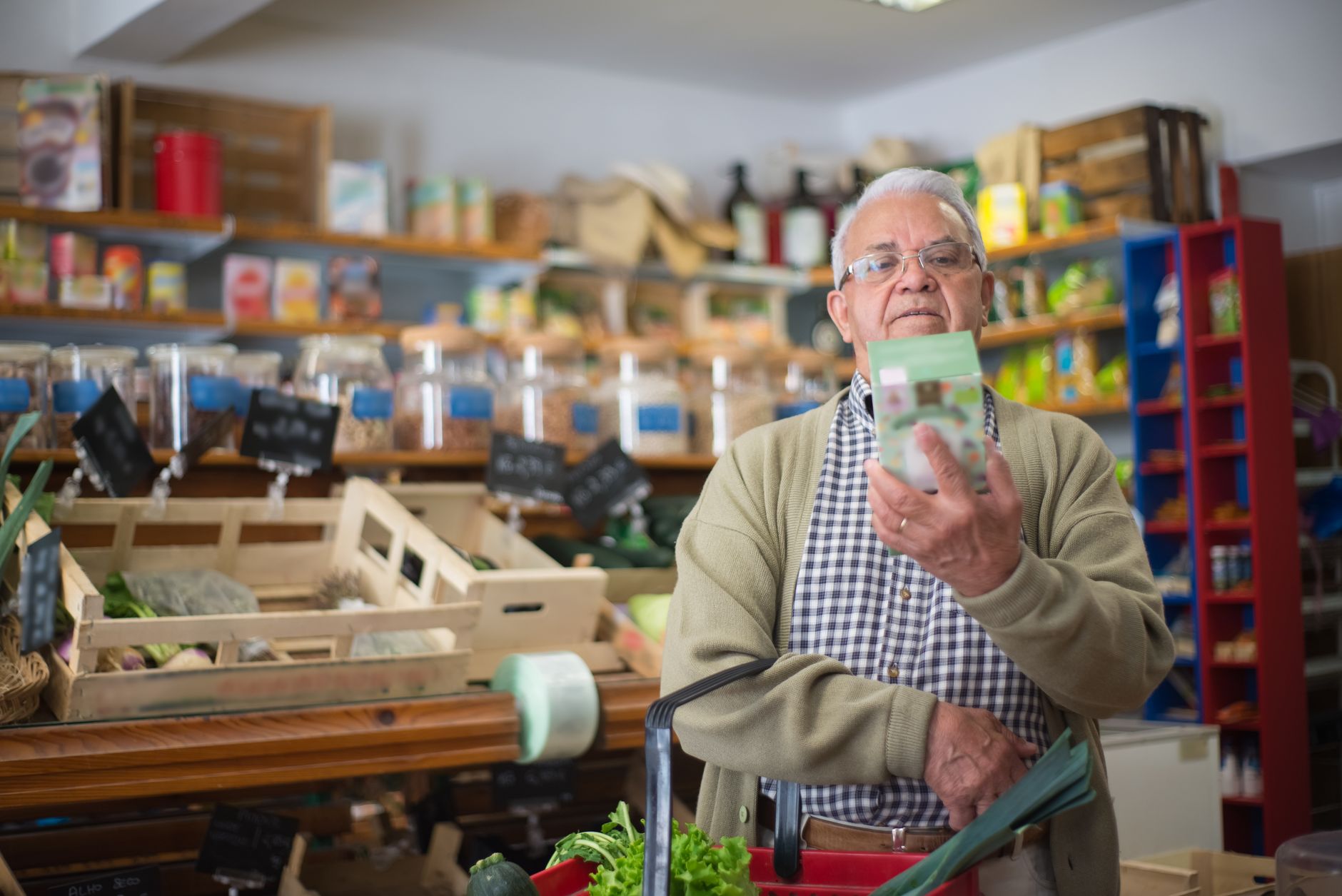
My “healthy” granola had more sugar per serving than a bowl of Frosted Flakes. I found this out at age thirty four, standing in my kitchen at 7 AM, holding two cereal boxes and a growing sense of betrayal. The granola had “natural” and “whole grain” on the front. The Frosted Flakes cartoon tiger was at least being honest about what it was.
Food labels are designed to sell you food, not inform you. The real information is on the back, in the fine print, and most of us — myself included for way too long — never actually learned to read it properly.
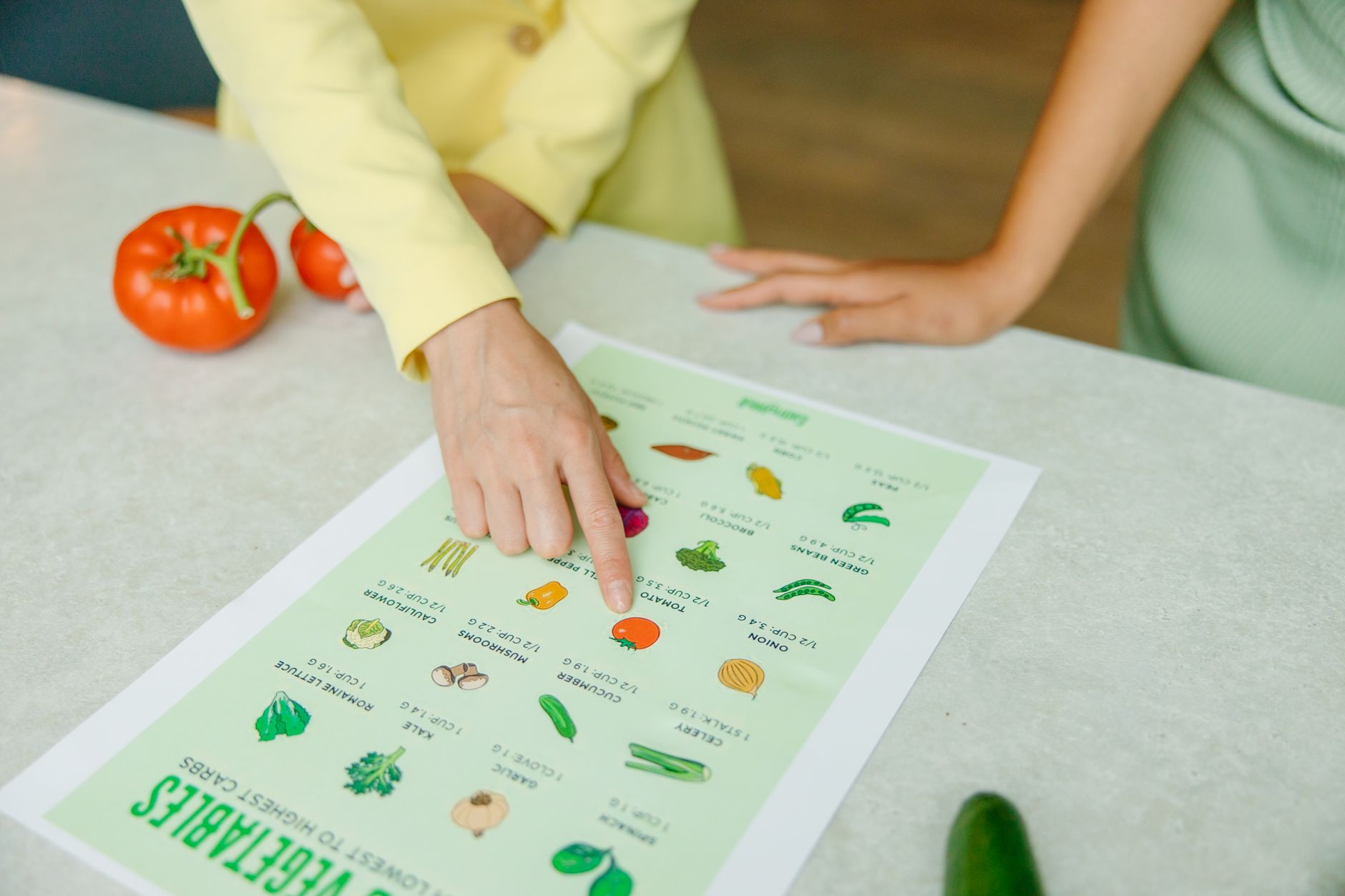
Ignore the Front. Entirely.
“Natural.” “Made with real fruit.” “Multigrain.” “Immunity boosting.” These are marketing terms with no legal definition. The FDA does not regulate most of them. A product labeled “made with whole grains” can be ninety five percent refined white flour with five percent whole grain sprinkled in.
Flip the box over. The front is a billboard. The back is the contract.
Serving Size Is the First Trap
A bottle of iced tea lists “90 calories per serving.” The bottle contains two and a half servings. You are drinking 225 calories, not 90. This is legal. Always multiply by actual servings consumed, not the listed serving size. For packaged foods you will eat in one sitting, the “per container” column is more honest than the “per serving” column.
Added Sugar vs Total Sugar
Total sugar includes natural sugars from fruit and dairy. Added sugar is the number that matters. The American Heart Association recommends no more than 25 grams of added sugar per day for women and 36 for men. My granola had 14 grams of added sugar per serving — over half the daily limit — and the serving size was a quarter cup. Who eats a quarter cup of granola?
Ingredients Are Listed by Weight
First ingredient is what there is most of. If sugar (or any of its fifty aliases — high fructose corn syrup, dextrose, maltose, evaporated cane juice) appears in the first three ingredients, that product is basically candy. The shorter the ingredient list, generally the better the product.
I now spend about ten extra seconds reading labels at the grocery store. My breakfast no longer has more sugar than my dessert. The granola is in the back of the pantry. The Frosted Flakes are gone too, to be fair. I buy the plain oats now and add my own fruit.
Quick Summary: Ignore front-of-box marketing. Check serving size against what you actually eat. Focus on “added sugar” (not total sugar). First three ingredients = most of the product. Short ingredient list is a good sign.