Prevent Frozen Pipes Without Expensive Heating Cables
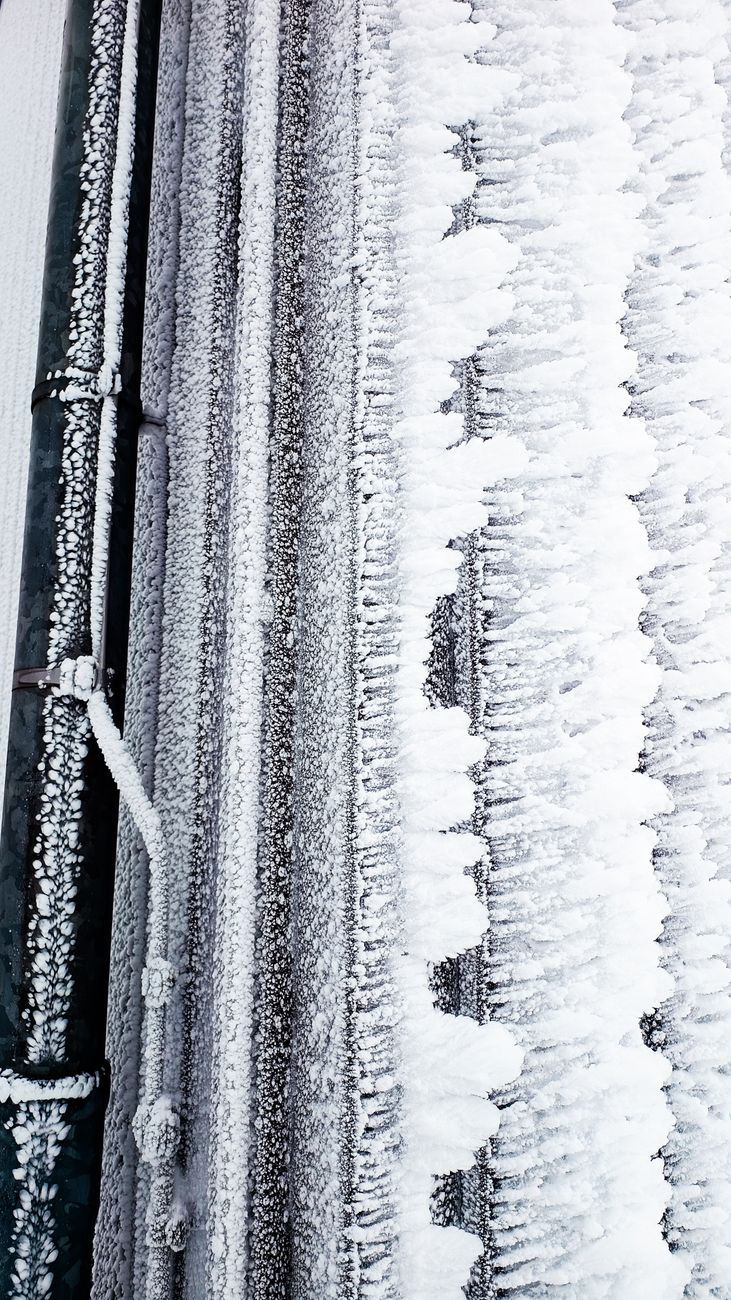
My first winter in a house with a crawl space, a pipe burst. I was in the shower at 6 AM when the water pressure dropped to a trickle and then nothing. The repair cost twelve hundred dollars. The plumber told me it took him twenty minutes to fix and the rest was “emergency call-out fee.”
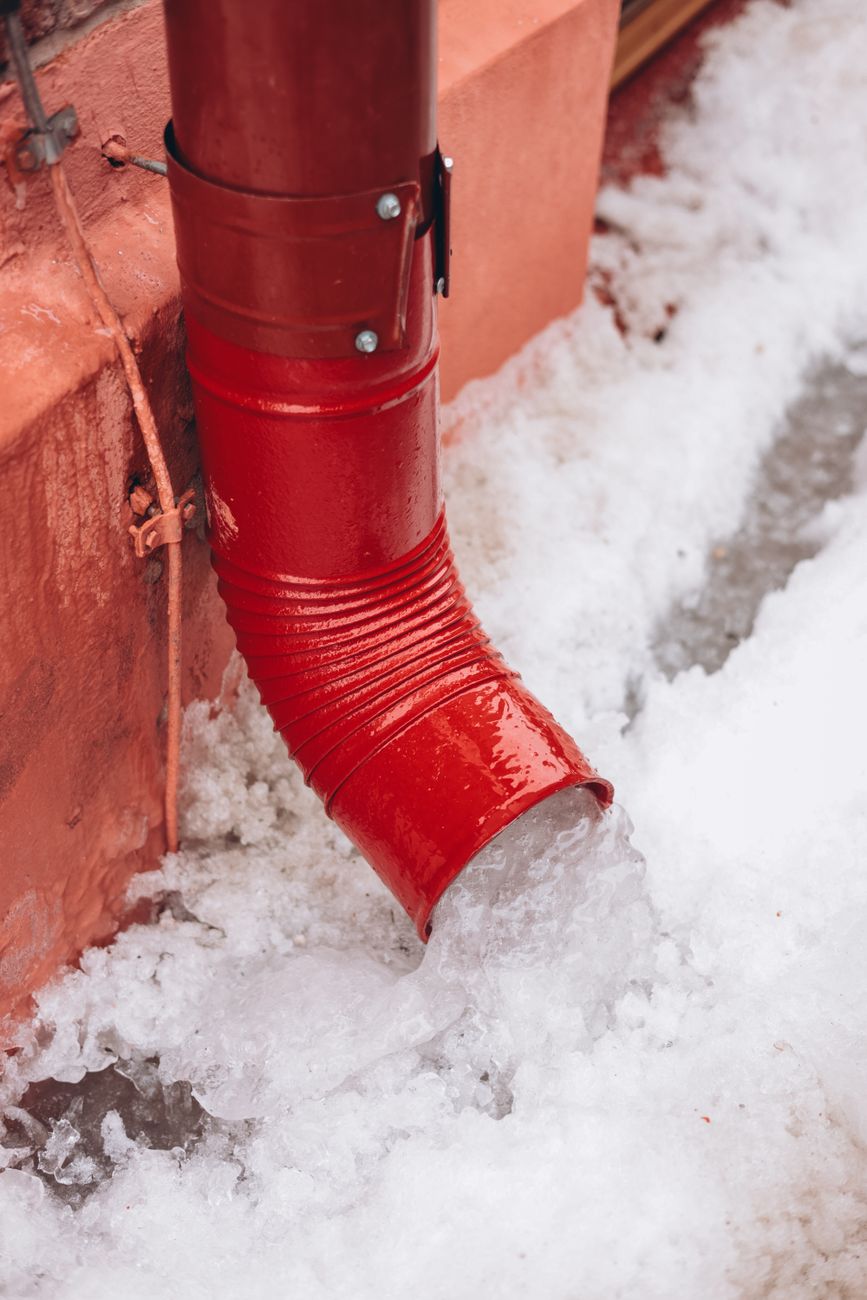
I have not had a frozen pipe since. None of what I do involves expensive equipment. Most of it is free.
Why pipes actually burst
It is not the ice itself that breaks the pipe. It is pressure. When water freezes, it expands. The ice acts like a piston, compressing the water trapped between the ice blockage and the closed faucet. The pressure in that trapped section can exceed 2,000 PSI — enough to split copper and PVC wide open.
The fix, then, is not just keeping pipes warm. It is giving the pressure somewhere to go.
Leave faucets dripping
This is the single most effective thing you can do. A trickle of water — not a stream, a drip — keeps water moving through the pipe. Moving water freezes at a much lower temperature than still water. But more importantly, an open faucet means pressure cannot build up even if ice forms somewhere upstream.
Drip both hot and cold lines. Hot water pipes freeze faster than cold ones because the water has been heated and degassed, which paradoxically lowers its freezing point but also means it supercools and freezes suddenly.
Open cabinet doors
Pipes under kitchen and bathroom sinks sit against exterior walls. When the cabinet doors are closed, those pipes are in an unheated box. Open the doors so room air circulates around them. This alone drops the freeze risk significantly on nights in the teens and twenties.
Disconnect outdoor hoses
A frozen hose connected to a spigot forces ice back into the pipe inside the wall. I made this mistake exactly once. Now every October I disconnect every hose, drain them, and coil them in the garage. I also shut off the interior valve to outdoor spigots if the house has them, then open the exterior spigot to drain the pipe segment.
Know where your main shutoff is
This is not prevention. This is damage control. If a pipe does burst, you need to shut off the water in seconds, not minutes. Find your main water shutoff valve. Label it. Make sure everyone in the house knows where it is. Test it once a year to confirm it still turns — seized valves are common in older homes.
Twelve hundred dollars taught me that frozen pipes are preventable. A dripping faucet, open cabinets, and disconnected hoses cost nothing and work.
Quick Summary: Drip faucets on cold nights, open cabinet doors under sinks, disconnect outdoor hoses before winter, and know where your main water shutoff is. These free steps prevent most frozen pipe bursts.