Start a Gratitude Practice That Takes 60 Seconds
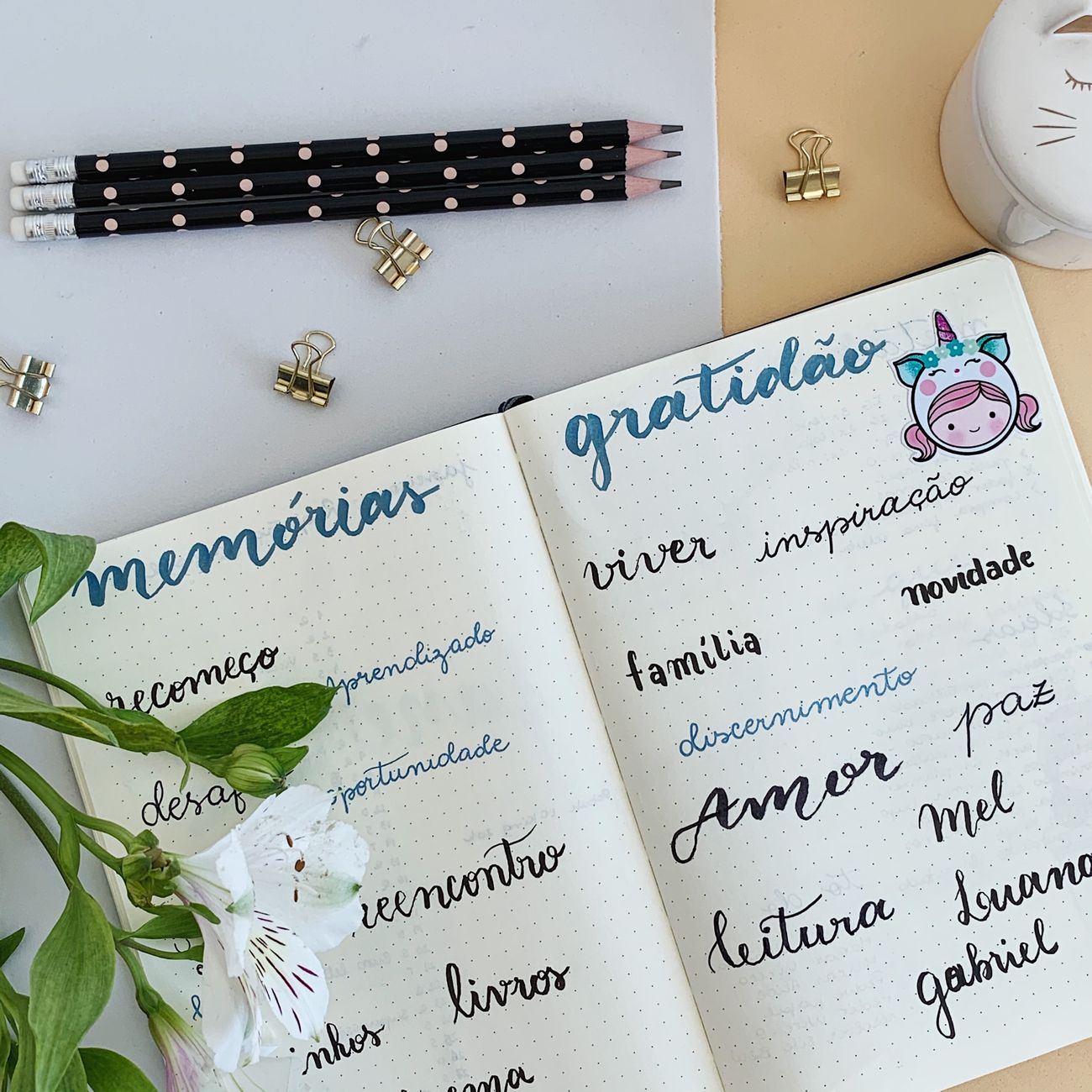
I thought gratitude journaling was cheesy. Write down three things you are grateful for every morning? It sounded like something a life coach would post on Instagram next to a picture of a sunrise and a cup of matcha. I resisted it for years.
Then a therapist I trust suggested it — not as a spiritual practice, but as a cognitive exercise. Your brain has a negativity bias. It scans for threats and problems because that kept your ancestors alive. A gratitude practice is just training your brain to also notice what is going right. It is not toxic positivity. It is attention training.
Why Three Things
The research on gratitude journaling is surprisingly solid. Multiple studies show that people who write down three things they are grateful for, three times a week, report measurably higher well-being after just two weeks. The effect size is not huge but it is consistent. It works about as well as some mild antidepressants for people with moderate depression — not a replacement for medication, but a meaningful supplement.
The key is specificity. “I am grateful for my family” is too vague to register. “I am grateful my partner made coffee this morning so I did not have to” — that is specific. Your brain can replay the moment. Specificity is what makes the exercise work.

How to Actually Do It
Do not buy a fancy gratitude journal. The fancier the journal, the more pressure you feel to write something profound. Use a cheap notebook, a notes app, or the back of a receipt. The medium does not matter.
Pick a trigger — something you already do every day. Brush your teeth? Write your three things immediately after, while still standing at the sink. Pour your first cup of coffee? Write them while it cools. Attach the new habit to an existing one.
Write three things. Be specific. That is it. Sixty seconds.
What Counts
Anything. The bar is on the floor. This is not a contest. Examples from my actual list:
- “The bus showed up exactly when I got to the stop.”
- “I found a parking spot right in front.”
- “The avocado I bought three days ago was perfectly ripe today.”
- “Nobody was in the elevator so I did not have to make small talk.”
- “My phone battery lasted the whole day without charging.”
These are not profound. They are tiny, specific, and real. That is what makes them work. Your brain stores them as evidence against the default assumption that everything is going wrong.
When You Really Cannot Find Three
Some days genuinely suck. On those days, go smaller. “I am grateful I have a bed to sleep in.” “I am grateful for hot water.” “I am grateful I can breathe through my nose.” If you can breathe through your nose right now, that is legitimately worth noticing.
I have been doing this for about a year and a half. I still miss days. I probably do it four or five times a week on average. That is enough. The research says three times a week is the sweet spot — more does not produce measurably better results. You are not failing if you miss days. You are still getting the benefit.
The thing I notice most: I now automatically register small good things during the day. I will catch myself thinking “that would be a good one for the list” while something nice is happening. I was not trying to train that. It just happened.
📋 Quick Summary: Write three specific good things daily. Attach it to an existing habit. Use any notebook. Specificity matters more than profundity. Three times a week is enough to get the benefit.