Fix Appliances Yourself With YouTube and a Screwdriver — What I Have Fixed and What I Regret Trying
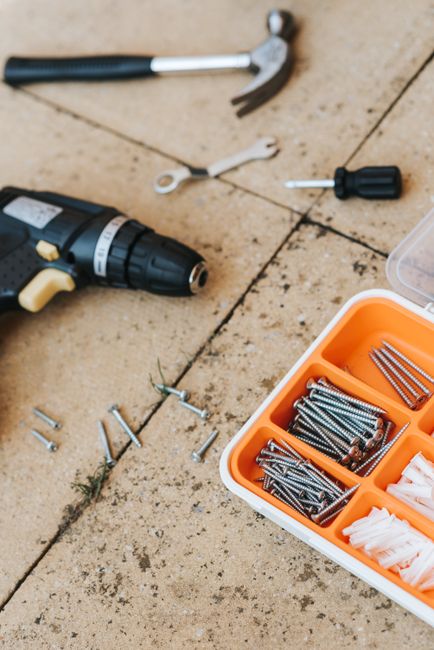
I have fixed six appliances in the past two years using nothing but YouTube, a multimeter, and the stubborn belief that paying $150 for a service call is worse than possibly breaking something myself. Four of those fixes are still working. One cost me more than a repair would have. One I should never have touched.
Here is which appliances are worth attempting, which are not, and what I learned the hard way.
The Golden Rule of DIY Appliance Repair
If you cannot find a YouTube video of someone fixing your exact model with your exact problem, do not touch it. Not a similar model. Not a similar problem. Exact model, exact problem. I broke this rule once with my dishwasher and ended up replacing it entirely.
The repair videos that actually help are filmed by appliance repair technicians in their work vans. Not by lifestyle influencers. Look for channels with under 50,000 subscribers and titles like “Kenmore 665 drain pump replacement” — not “Easy DIY Dishwasher Fix!”
Washer and Dryer: The Sweet Spot
Washers and dryers are mechanically simple. Most common failures are belts, pumps, heating elements, and lid switches — all of which are $20-50 parts held in by screws and clips. They are also the appliances repair techs charge the most for because they are heavy and awkward to move.
I replaced the drive belt on my dryer for $18. The belt itself was $8, the rest was a set of proper screwdrivers. The repair involved removing two screws, tilting the drum, slipping the belt on, and tensioning it. Took 40 minutes. A service call would have been $120 minimum.
The key tool you need for washer/dryer repair that most people do not own: a multimeter. $15 at any hardware store. You use it to test whether components like heating elements and thermal fuses have continuity. If a fuse has no continuity, it is blown — replace it. If the heating element has continuity but still does not heat, the problem is elsewhere. Without a multimeter you are guessing.
Refrigerator: Proceed With Caution
Refrigerator problems are usually one of three things: the start relay (a $15 part on the compressor), the defrost timer (another $15 part), or failed door seals (gaskets, $40-80). All three are accessible without touching the sealed refrigeration system — which you absolutely should not touch because it contains pressurized refrigerant that requires an EPA certification to handle.
If your fridge is warm but the freezer is cold, it is probably the defrost system. If the fridge does not cool at all but you hear the compressor clicking on and off, it is probably the start relay. Both are YouTube-able.
If the compressor is not making any noise at all, or if there is a refrigerant leak (oily residue near the compressor) — call a professional or replace the fridge.
Dishwasher: My $400 Mistake
I tried to replace a dishwasher control board based on a video for a similar but not identical model. The wiring harness was different. I shorted something. The board I bought was non-returnable. A new dishwasher cost $400. The original service call would have been $150.
Dishwashers have more electronics and wiring variations than washers. If you cannot find your exact model — walk away.
What I Do Not Touch
- Microwaves. The capacitor inside holds a lethal charge even when unplugged. For days. Unless you know how to safely discharge a high-voltage capacitor, do not open a microwave.
- Gas appliances. Gas leaks kill. Hire a licensed technician.
- Sealed refrigeration systems. As above — pressurized refrigerant, legally regulated.
📋 Quick Summary: Washers and dryers are the best DIY candidates — simple mechanics, cheap parts. Refrigerators are doable for start relays and defrost timers but do not touch sealed refrigeration. Buy a multimeter ($15). Never open microwaves (lethal capacitor) or gas appliances (leak risk). Exact model match on YouTube or do not attempt.