Draft-Proof Your Home Before Winter Hits

I spent my first winter in this apartment wearing a hoodie indoors because I could feel cold air pouring through the windows. The heating bill was $240 that January. The next year I spent $30 on draft-proofing supplies and cut the bill by almost a third.
Find the Leaks First
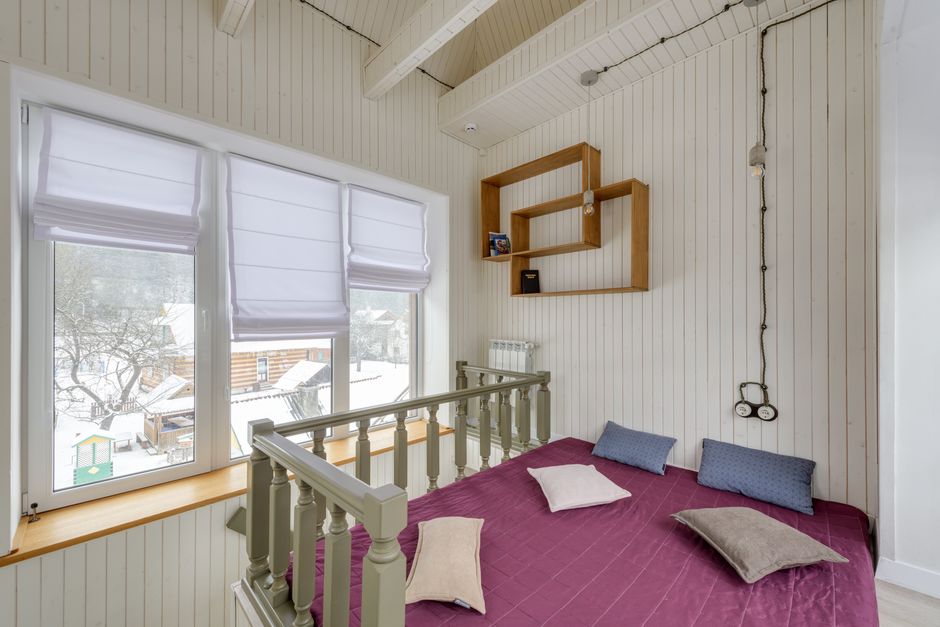
On a windy day, walk around with a lit incense stick near windows, doors, baseboards, and electrical outlets on exterior walls. Where the smoke wavers or blows sideways, you have a leak. Mark each spot with a small piece of tape. A thermal camera app works too but incense is $2 and never needs charging.
Window Drafts — Three Fixes by Budget
- $0: Roll up a bath towel and press it against the bottom of the window frame. Looks terrible, works immediately.
- $8: Self-adhesive foam weatherstripping tape. Cut to length, peel, stick. Takes 5 minutes per window.
- $15: Window insulation film kit. You tape plastic film over the entire window frame, then shrink it tight with a hair dryer. Creates an air pocket that blocks drafts. Surprisingly effective for old single-pane windows.
Doors and Other Sneaky Leaks
Door bottoms are the biggest draft source in most homes. A door sweep ($10) screws onto the bottom and seals the gap. For the sides and top, adhesive foam tape works. Do not forget the attic hatch, outlets on exterior walls (foam gaskets cost $3 for a 10-pack), and the gap around plumbing pipes under sinks — a can of expanding foam seals those in 30 seconds.
📋 Quick Summary: Find leaks with incense smoke on a windy day. Windows: weatherstripping tape or insulation film. Doors: door sweep + foam tape. Outlets: foam gaskets. $30 in supplies can cut a heating bill by 20-30%.