Clean and Condition Leather Furniture the Right Way
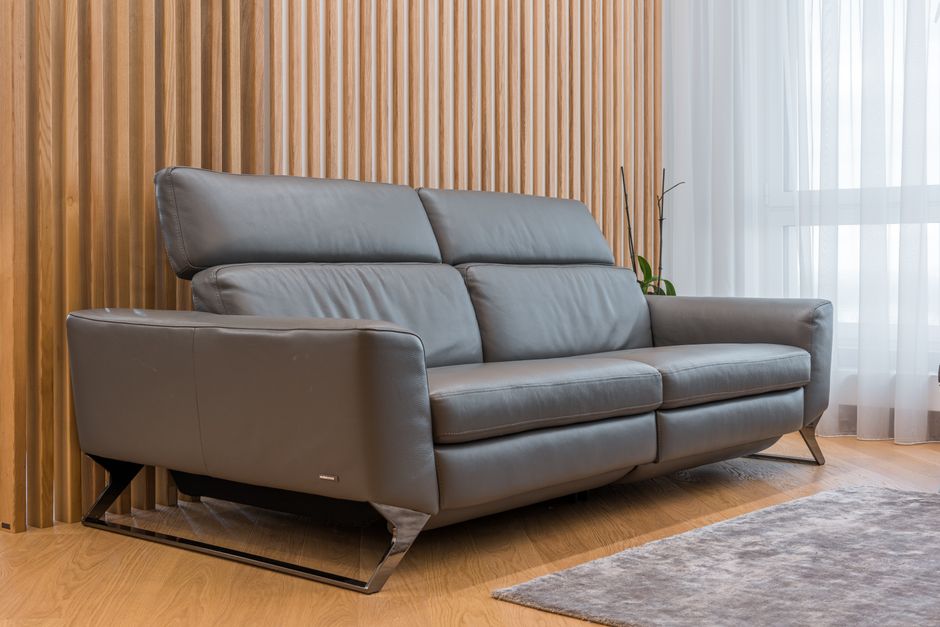
I bought a leather couch off Facebook Marketplace for $200. It was a steal but it was also dry — the kind of dry where the armrests crackled when you sat down. I figured I could rescue it. I was half right.
My first attempt involved saddle soap and way too much water. The leather darkened unevenly and developed a weird sticky texture. The second attempt — after I actually read up on leather care — went much better.
Know Your Leather Type
Most modern leather furniture is finished or protected leather — a coated surface with a polyurethane or acrylic layer. This is good news because it is much harder to ruin. If a water drop sits on the surface and does not sink in, you have finished leather.
Unfinished leather — aniline, nubuck, suede — has no protective coating. Water will darken it immediately. These require special products and you should test everything on a hidden spot first.
My couch was finished leather, which meant I had more room for error.
The Cleaning Routine
- Vacuum first. Dirt and grit act like sandpaper on leather. Use the brush attachment, get into the seams.
- Mix a few drops of mild dish soap with warm water — barely sudsy. Too much soap leaves residue.
- Dampen a microfiber cloth and wring it out until it is almost dry. Water is leather’s enemy — you want damp, not wet.
- Wipe in one direction, small sections at a time. Dry each section with a clean cloth immediately.
Do not use vinegar, ammonia, or household cleaners. They strip the finish. I learned this the hard way with the saddle soap.
Conditioning — The Step People Skip
Cleaning removes dirt. Conditioning replaces the oils that keep leather pliable. If you clean but never condition, leather dries out and cracks. For furniture you use every day, condition every 6-12 months.
Use a dedicated leather conditioner — not olive oil, not coconut oil, not whatever you found under the sink. Food oils go rancid and attract dust. A $12 bottle of leather conditioner lasts years.
Apply a small amount to a cloth, rub it in with circular motions, let it absorb for 30 minutes, then buff off any excess. The leather should feel smooth, not greasy.
Spot Remove Stains
For ink marks, a tiny dab of rubbing alcohol on a cotton swab — dab, do not rub. For grease stains, sprinkle cornstarch on the spot, let it sit for a few hours to absorb the oil, then vacuum it off.
My couch now looks better than when I bought it. No more crackling. No more sticky spots. Two hundred dollars and a bottle of conditioner was all it took.
📋 Quick Summary: Vacuum, wipe with barely-damp cloth and mild soap, dry immediately, condition every 6-12 months with dedicated leather conditioner.