Cut Your Energy Bill With These Easy Winter Tweaks
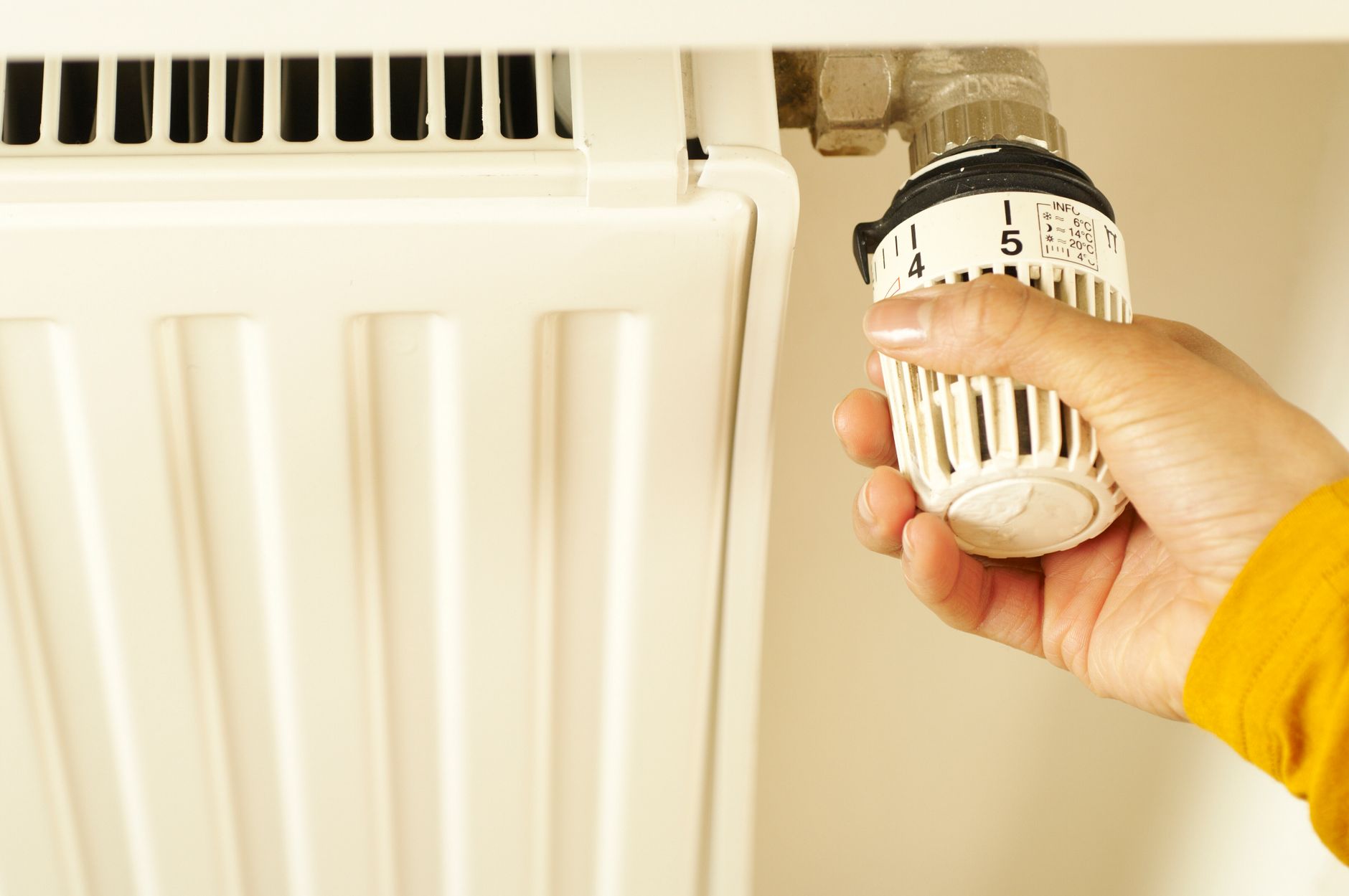
My January electric bill was two hundred and sixty dollars. I live in a one-bedroom apartment. I stared at that number for a full minute, then walked around my apartment touching every wall, window, and outlet to figure out where all the heat was going. What I found was embarrassing: cold air streaming in through gaps I had been walking past every day without noticing.
Two months later, after about forty dollars in supplies, the same kind of weather produced a bill of a hundred and eighty. The changes were small. They added up.
Seal the Windows First
Hold your hand near the edges of every window on a cold day. If you feel a draft, you are paying to heat the outside. A roll of weatherstripping costs about eight dollars and takes ten minutes per window to install. Peel off the backing and stick it to the frame where the window meets the sill.
For windows you never open in winter, the plastic shrink-film kits work even better. You tape a plastic sheet over the entire window frame, then run a hair dryer over it — the plastic shrinks tight and creates an invisible insulating air gap. Costs about fifteen dollars and drops heat loss through that window by up to seventy percent.
Check Every Outlet on Outside Walls
This was the biggest surprise. I put my hand over an outlet on an exterior wall and felt cold air pouring through the socket holes. Electrical boxes on outside walls are often uninsulated gaps straight into the wall cavity. A pack of foam outlet gaskets costs three dollars. Unscrew the cover plate, place the gasket behind it, screw it back. Takes two minutes per outlet and stops a draft you did not know was there.
Reverse Your Ceiling Fans
Most ceiling fans have a small switch on the motor housing that reverses the blade direction. In winter, the blades should spin clockwise at low speed. This pulls cool air up and pushes warm air — which naturally rises to the ceiling — back down along the walls. It can make a room feel four to five degrees warmer without touching the thermostat.
I ran my fan the wrong direction for five winters before someone pointed out the switch. I thought it was decorative.
The Thermostat Rule That Actually Works
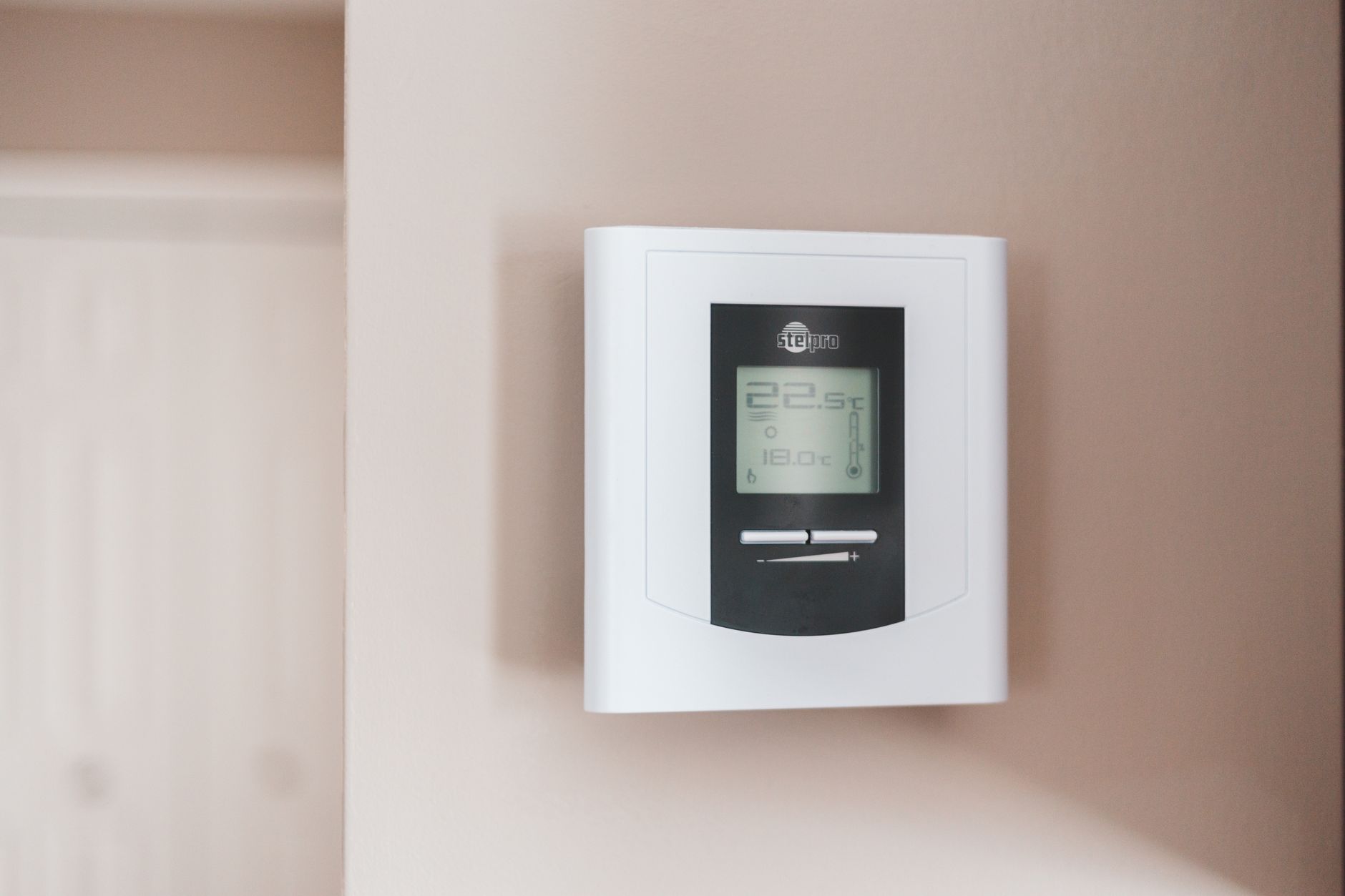
Set it to sixty-eight degrees when you are home and awake. Drop it to sixty when you are asleep or out. A programmable thermostat does this automatically and pays for itself within the first winter. The old myth that “it takes more energy to reheat the house” is wrong — the heat you lose through the walls is proportional to the temperature difference. A colder house loses heat more slowly, and the savings during the setback period always exceed the cost of reheating.
Wear a sweater indoors. I resisted this for years because it felt like admitting defeat. But a sweater is free to wear and the thermostat being two degrees lower saves about five percent on heating costs.
📋 Quick Summary: Weatherstrip windows, insulate outlet covers, reverse ceiling fans clockwise, and drop the thermostat at night — small fixes that knocked eighty dollars off my winter bill.