Remove Hard Water Stains From Any Surface
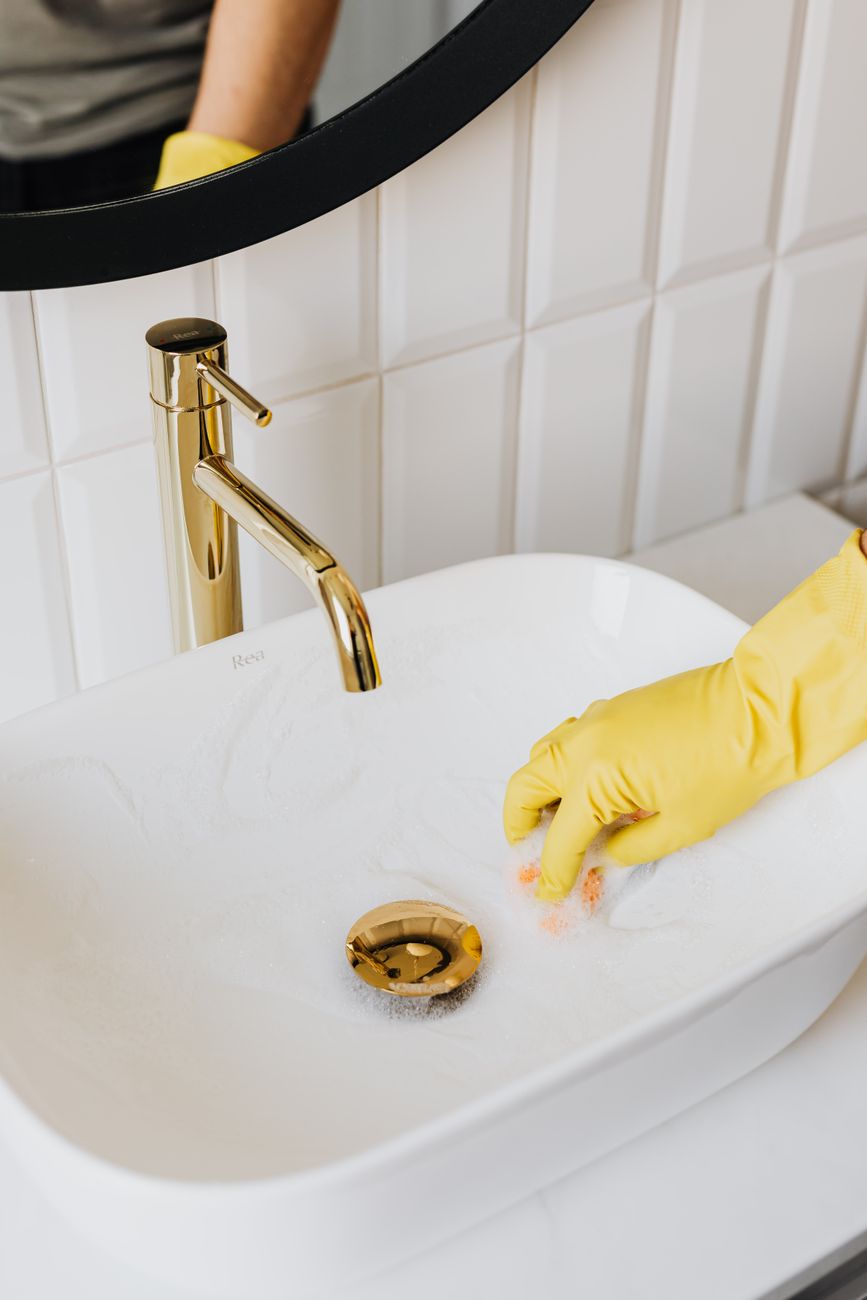
Hard water stains make a clean bathroom look dirty. I scrubbed my glass shower door for an hour once with bathroom cleaner. Nothing. It still looked like someone had rubbed chalk all over it. I was about to replace the door. Then my neighbor — the one who knows everything about houses — handed me a bottle of white vinegar and walked away.
What Hard Water Stains Actually Are
They are mineral deposits — mostly calcium and magnesium left behind when water evaporates. Soap scum binds to these minerals and makes the white crusty film that ordinary cleaners cannot touch. Acid dissolves minerals. That is the whole science. Anything acidic works. Vinegar is just the cheapest acid you probably already own.
What Works on What Surface
Glass Shower Doors
Warm white vinegar in a spray bottle. Spray heavily. Press paper towels against the wet glass — they hold the vinegar in place so it does not just drip off. Leave for 30 minutes. Wipe with a microfiber cloth. For heavy buildup, add a drop of dish soap to the vinegar — it cuts through the soap scum layer so the vinegar can reach the minerals.
Chrome Faucets
Soak a rag in vinegar, wrap it around the faucet, secure with a rubber band. Leave for an hour. The stains wipe off. Do not use vinegar on brass or gold-toned fixtures — it can damage the finish. For those, lemon juice is gentler.
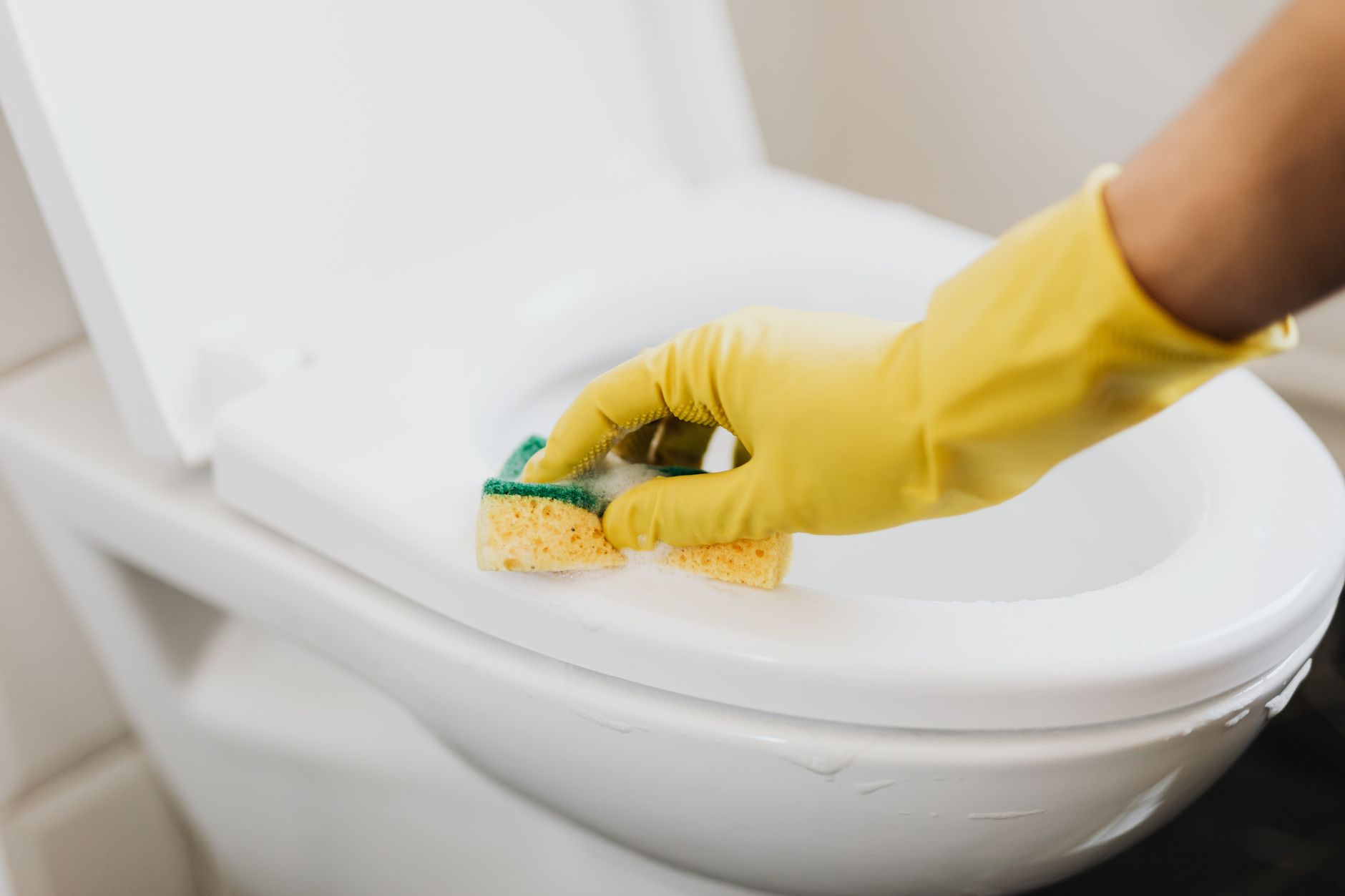
Toilet Bowl Rings
Pour a cup of vinegar into the bowl, add a sprinkle of baking soda for fizz (it helps loosen the ring), scrub after 15 minutes. For rings that have been there since you moved in, empty the bowl water first so the vinegar is not diluted.
Shower Heads
Fill a plastic bag with vinegar, submerge the shower head, rubber band it in place. Leave overnight. In the morning the clogged nozzles will spray like new. Run the shower for a minute before using it — you do not want to smell like a salad.
Quick Summary: Vinegar dissolves mineral deposits. Paper towel method for glass, wrapped rag for faucets, overnight bag soak for shower heads. Skip vinegar on brass — use lemon juice instead.