Cash Envelope System in 2025 — Does It Still Work When Everything Is Digital?
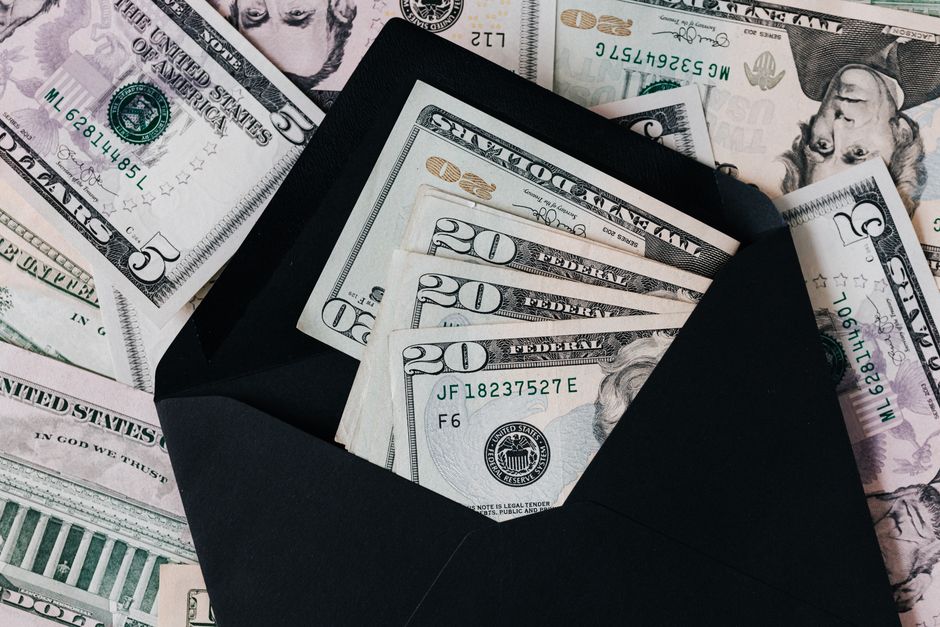
I tried the cash envelope system three years ago. I went to the bank, withdrew $600 in twenties, sorted them into labeled envelopes — Groceries, Gas, Eating Out, Fun Money. By day four, I had lost the Fun Money envelope somewhere between Target and the car. I found it two weeks later under the passenger seat, already mentally written off.
The system works. Genuinely. But the physical cash version is incompatible with a world where I pay my electric bill on an app and buy groceries online. So I adapted it. Here is the digital version that sticks.
What the Envelope System Actually Is
The core idea is simple: you allocate money to categories upfront, and when a category is empty, you stop spending in that category. No shuffling money between categories. No “I will just spend less next month.” The limit is the limit.
This works because it changes the spending decision. With a normal budget, you look at your bank balance — $2,000 — and think “I can afford this.” With envelopes, you look at your Eating Out envelope — $14 left — and think “one more fast food meal and I am done for the month.” The smaller number makes the constraint feel real.
The Digital Version (No Physical Cash)
I opened a second checking account — free, at the same bank as my main account, instant transfers between them. This is my “envelope account.”
Every payday, I transfer my variable spending budget to the envelope account. My fixed bills stay in the main account on autopay. The envelope account has its own debit card — I use this card for groceries, gas, eating out, and anything discretionary.
When the envelope account hits zero, I am done spending until next payday. No exceptions. I do not need to track individual envelopes because all my variable spending comes from one account with a fixed balance. It is one envelope instead of six, which is 80% of the benefit for 20% of the effort.
App-Based Envelope Tracking
If you want per-category tracking without physical cash, apps like YNAB (You Need a Budget) and EveryDollar do digital envelope budgeting. You assign every dollar to a category, and the app shows your remaining balance in each category. When Dining Out hits $0, the app shows a red zero — same psychological effect as an empty envelope.
YNAB costs $99/year. Is it worth it? If you save more than $8.25/month by using it — yes, obviously. I saved about $300/month the first three months I used it just from awareness of where my money was actually going.
When Physical Cash Still Wins
For some categories, physical cash still works better than digital. Eating out and entertainment are the two where handing over actual bills registers more painfully than swiping a card. If you struggle with those specifically, keep physical envelopes for just those categories and do the rest digitally.
📋 Quick Summary: The cash envelope system works by making spending limits tangible. Digital adaptation: use a second checking account as a single “envelope” for all variable spending, with its own debit card. For per-category tracking, YNAB or EveryDollar replicate the envelope method digitally. Physical cash still wins for eating out and entertainment.