Your Fridge Temperature Is Probably Wrong — Here Is the Right Setting
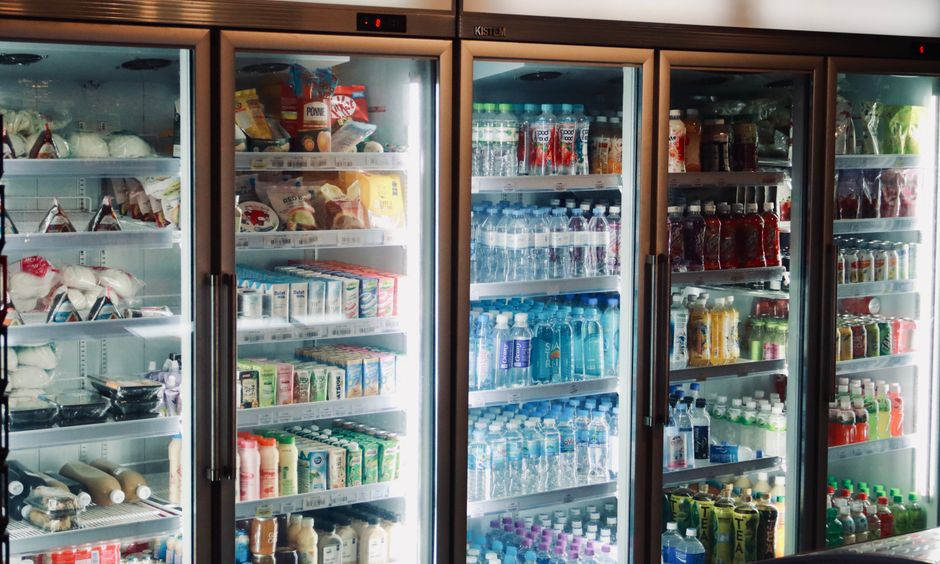
I set my fridge to the middle of the dial for a decade. “Medium” sounds right. It is the Goldilocks setting — not too cold, not too warm. Turns out, “medium” on most fridges is about 42-45°F. The USDA says your fridge should be at or below 40°F. Above 40°F, bacteria doubles every 20 minutes.
I had been living in the bacterial danger zone for years. My milk was going bad faster than it should. My leftovers were questionable by day three. I just thought that was normal.
The Magic Number: 37°F
Set your fridge to 37°F (3°C). That is cold enough to keep food safe without freezing your lettuce. The danger zone starts at 40°F. The freezing point of most produce is around 32°F. 37°F gives you a comfortable buffer on both sides.
Do Not Trust the Built-In Dial
Most fridge dials are relative, not absolute. “5” on one fridge might be 38°F; on another it might be 44°F. The only way to know is a standalone fridge thermometer. Put one in the main compartment and one in the door. The door is the warmest zone — often 5-8 degrees warmer than the back of the fridge.
These thermometers cost about $6. I have two. They confirmed that “medium” on my fridge was 43°F — three degrees into the danger zone.
Where to Put Things
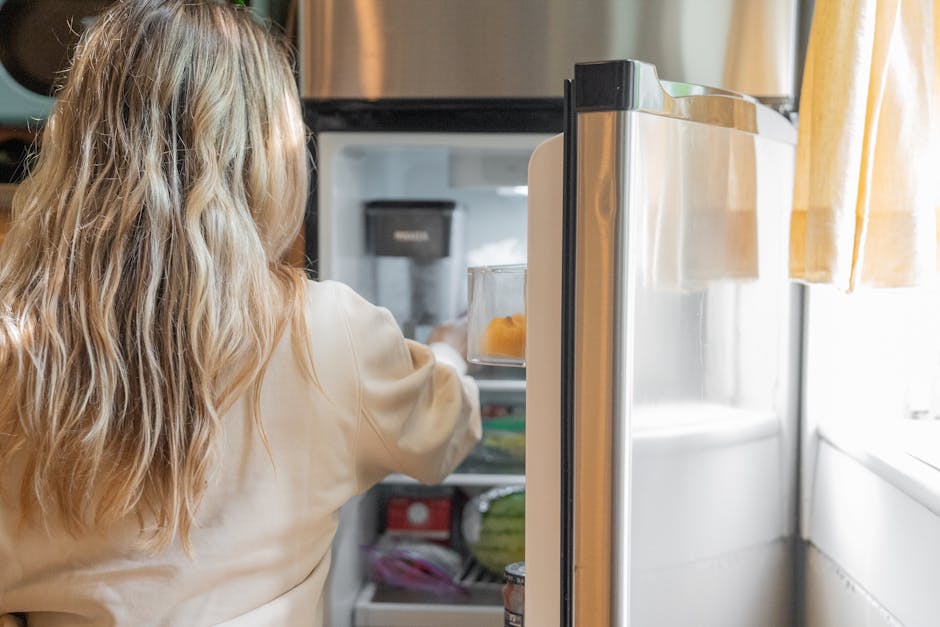
- Top shelf: Ready-to-eat foods, leftovers, drinks (36-39°F)
- Middle shelves: Dairy, eggs (35-38°F, the coldest zone in most fridges)
- Bottom shelf: Raw meat and fish — coldest spot, and it prevents drips from contaminating other food
- Crisper drawers: Fruits and vegetables (slightly warmer and more humid)
- Door: Condiments, juices — things that are preserved enough to handle temperature swings
📋 Quick Summary: Set fridge to 37°F, not “medium.” Buy a $6 standalone thermometer. Keep raw meat on the bottom shelf, dairy in the middle, condiments in the door. Food lasts longer and fewer bacteria.