Why Your Car Battery Dies More in Winter and How to Prevent It
Four winters ago I walked out to my car on a 12-degree morning, turned the key, and heard that noise. Not the engine turning over. Just a sad click followed by silence. I was already late for work and standing in the cold with a dead battery because I did not understand how winter eats car batteries.
It is not that the battery is dead. It is that cold slows everything down.
What Cold Does to Your Battery
A car battery produces electricity through a chemical reaction. Cold temperatures slow chemical reactions — that is basic chemistry. At 32°F your battery loses about 35% of its starting power. At 0°F it loses around 60%.
Meanwhile your engine oil thickens in the cold, which means the starter motor has to work harder to crank the engine. So you have a weaker battery trying to do a harder job. That is the double punch that kills batteries on cold mornings.
What You Can Do Before It Gets Cold
- Get your battery tested. Auto parts stores do this for free. If your battery is more than three years old, have it tested in October before the first freeze. A failing battery gives you warning signs — slow cranking, dim headlights at idle — but most people ignore them until the battery actually dies.
- Clean the terminals. White or bluish crust on the battery posts is corrosion, and corrosion resists electricity. Disconnect the terminals, scrub with a wire brush or a baking-soda-and-water paste, rinse, dry, reconnect. Tighten the connections — loose terminals cause voltage drops.
- Park inside if you can. Even an unheated garage keeps the battery 10-15 degrees warmer than outside. That matters.
- Turn everything off before starting. Headlights, heater fan, radio, seat warmers — all of them draw power. Give the battery its full strength for the starter motor.
What to Do If It Is Already Dead
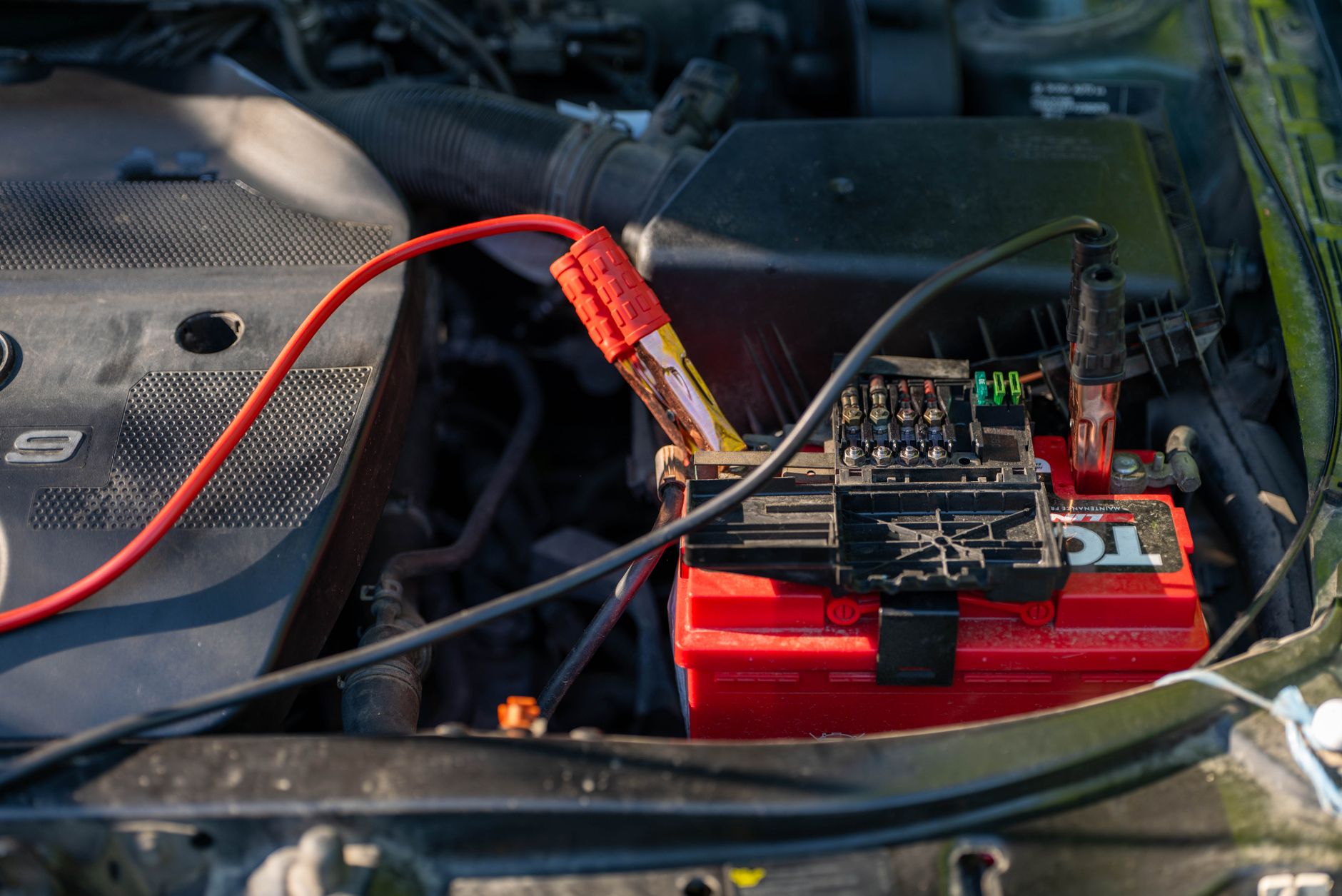
Jump starting in extreme cold requires patience. Let the donor car run for at least five minutes connected to your battery before you try to start. The dead battery needs time to warm up from the current flowing through it. A cold battery resists charging. Rushing the process just drains the donor battery too.
After you get it started, drive for at least twenty minutes. Short trips do not give the alternator enough time to recharge what the starter motor used. That is how people end up with a second dead battery the next morning.
📋 Quick Summary: Cold reduces battery power by up to 60% while oil thickens and makes engines harder to crank. Test your battery in fall, clean the terminals, park inside, and turn off accessories before starting.