Spring Gardening Soil Prep for Beginners
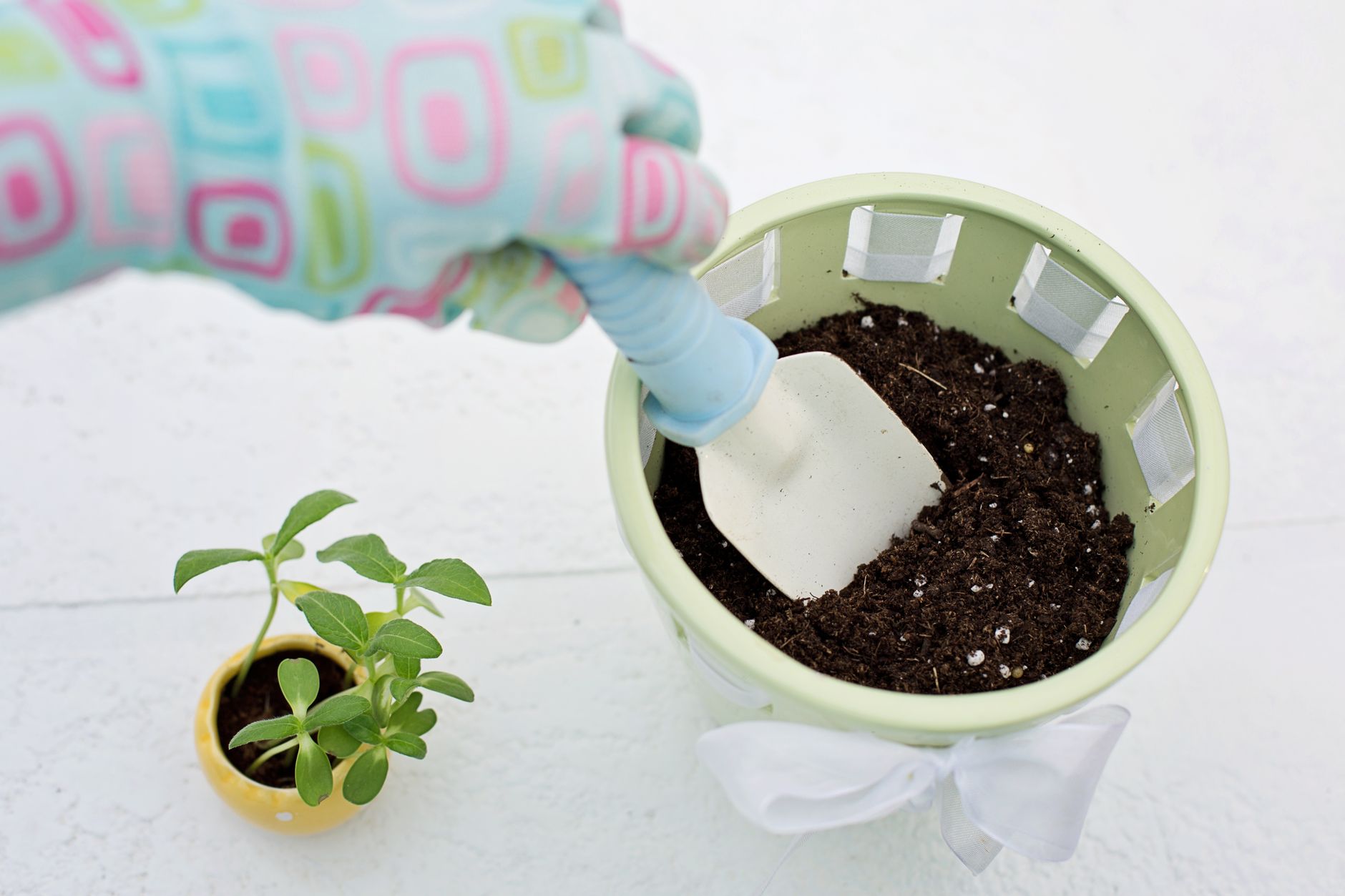
My first garden failed because of the soil. I did not know that at the time. I blamed the seeds, the weather, the squirrels. I bought better seeds the next year. Same result. It took a neighbor — the kind who brings you tomatoes in August without being asked — to point out that I had planted everything in compacted, nutrient-poor dirt that had never been prepared.
Soil prep is the most boring part of gardening and the most important. Do it right and everything else is easier. Here is what I wish I had known.
Loosen Before You Add Anything
Do not dump compost onto hard ground and call it done. The roots need to go down, not sideways. Use a garden fork or broadfork to loosen the soil at least 8 to 12 inches deep. Do not till — tilling destroys soil structure, kills earthworms, and brings dormant weed seeds to the surface where they sprout. Just push the fork in, rock it back, and lift slightly. Do this across the entire bed.
Add Compost — More Than You Think
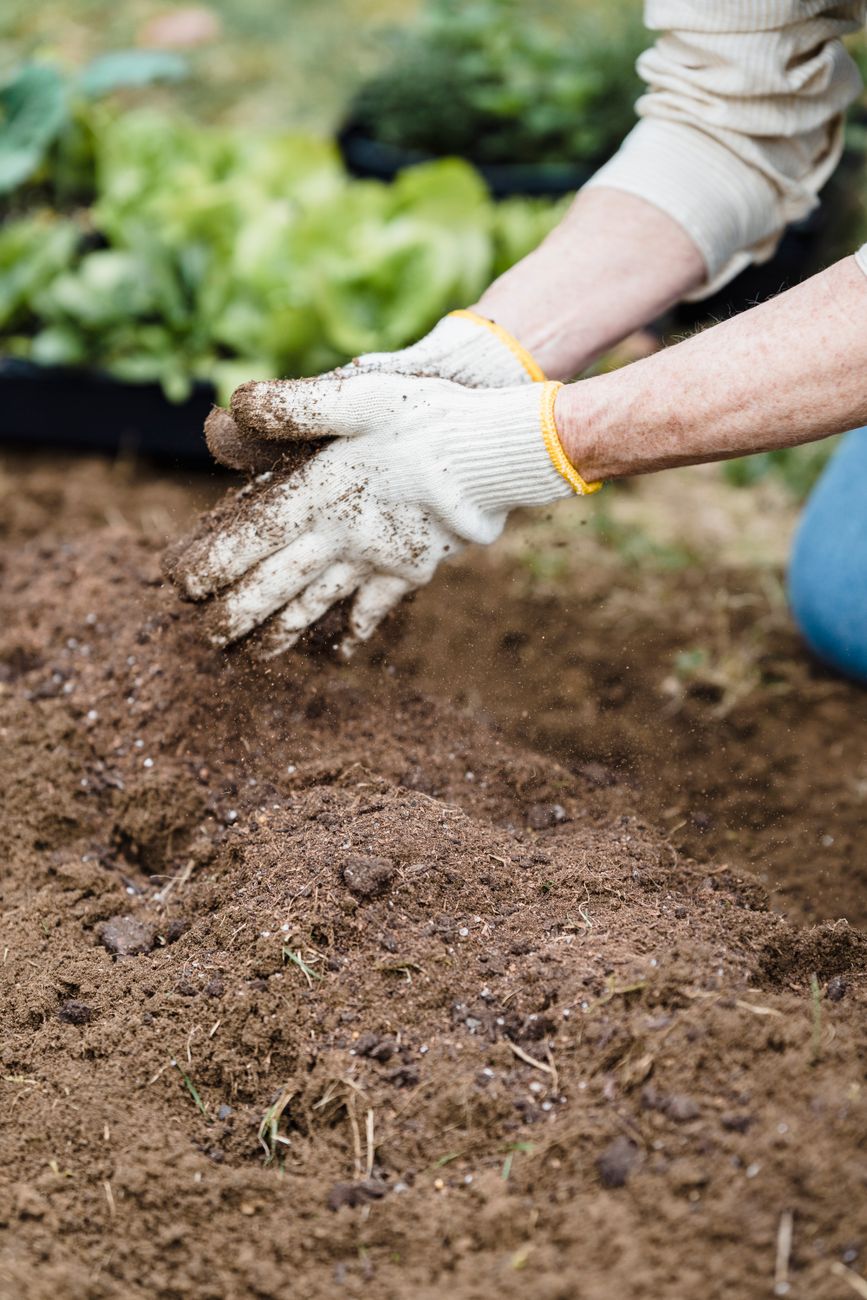
Spread 2 to 3 inches of compost across the loosened soil and work it into the top 6 inches with the fork. Compost improves drainage in clay soil, helps sandy soil retain moisture, and feeds the plants slowly all season. Bagged compost works fine. If you have a municipal compost program, that is even cheaper. The goal is dark, crumbly soil that smells earthy — if it smells sour or looks gray, it needs more organic matter.
Test Your Drainage Before Planting
Dig a hole about a foot deep and fill it with water. Let it drain, then fill it again. If the water is still sitting there after 4 hours, you have drainage problems. Add more compost or consider raised beds. Most vegetables will rot in standing water. This test takes thirty minutes and can save an entire season of frustration.
📋 Quick Summary: Loosen soil 12 inches deep with a garden fork (do not till), mix in 2–3 inches of compost, and test drainage before planting by filling a hole with water twice.