Why You Should Store Eggs Pointed Side Down
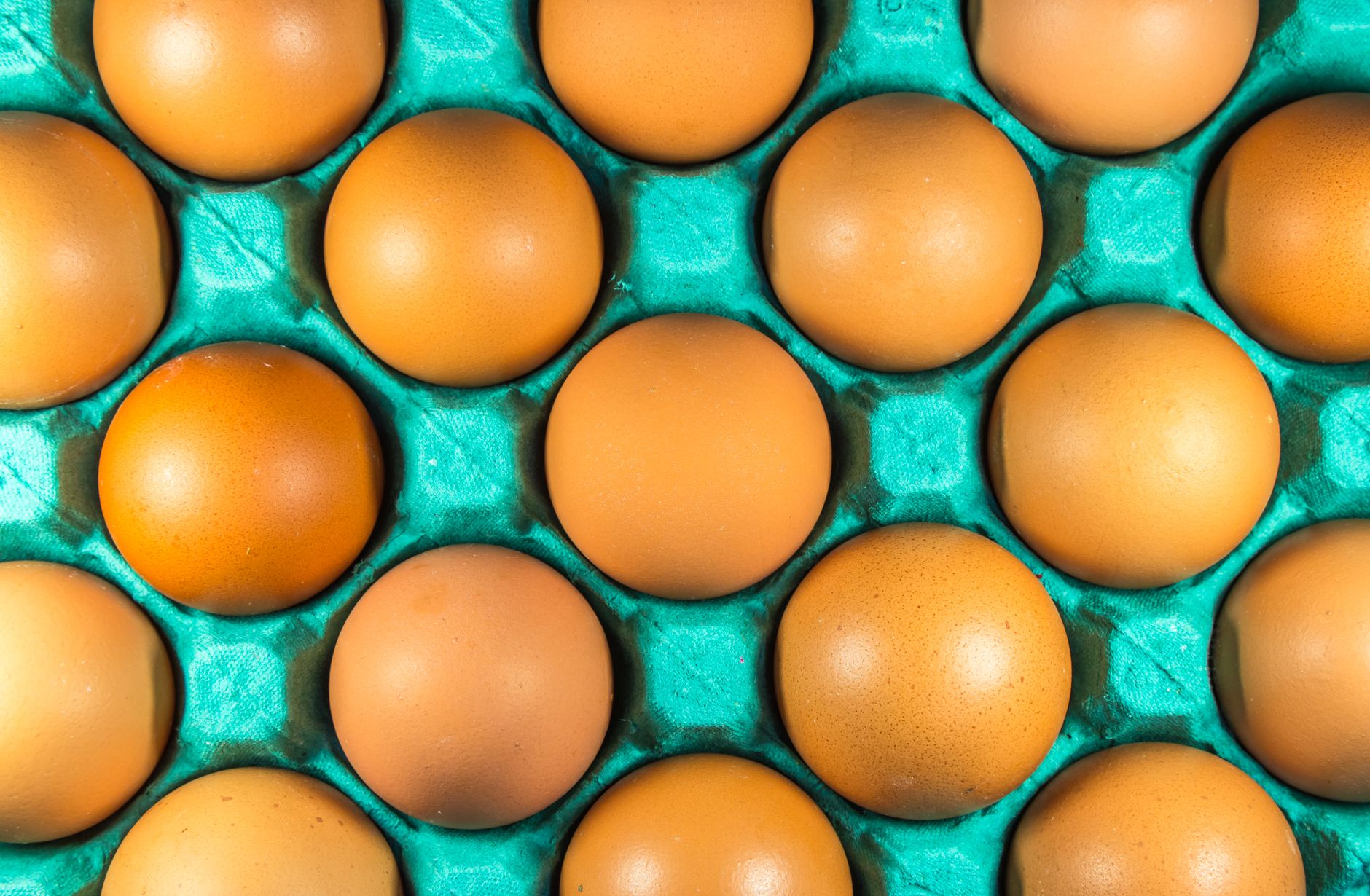
I used to toss eggs way before the carton date. Every week, two or three would go bad and I would shrug and buy more. Then my neighbor — a woman who raised chickens for thirty years — watched me put a carton in the fridge and said, “You are storing those wrong.”
She was right.
The Air Cell Trick Nobody Told Me About
Every egg has an air cell at the blunt end. That is the rounder, wider side. As the egg ages, that air pocket gets bigger. When you store an egg blunt-side-up, gravity pulls the yolk down away from the air cell. The yolk stays centered and the egg lasts longer.
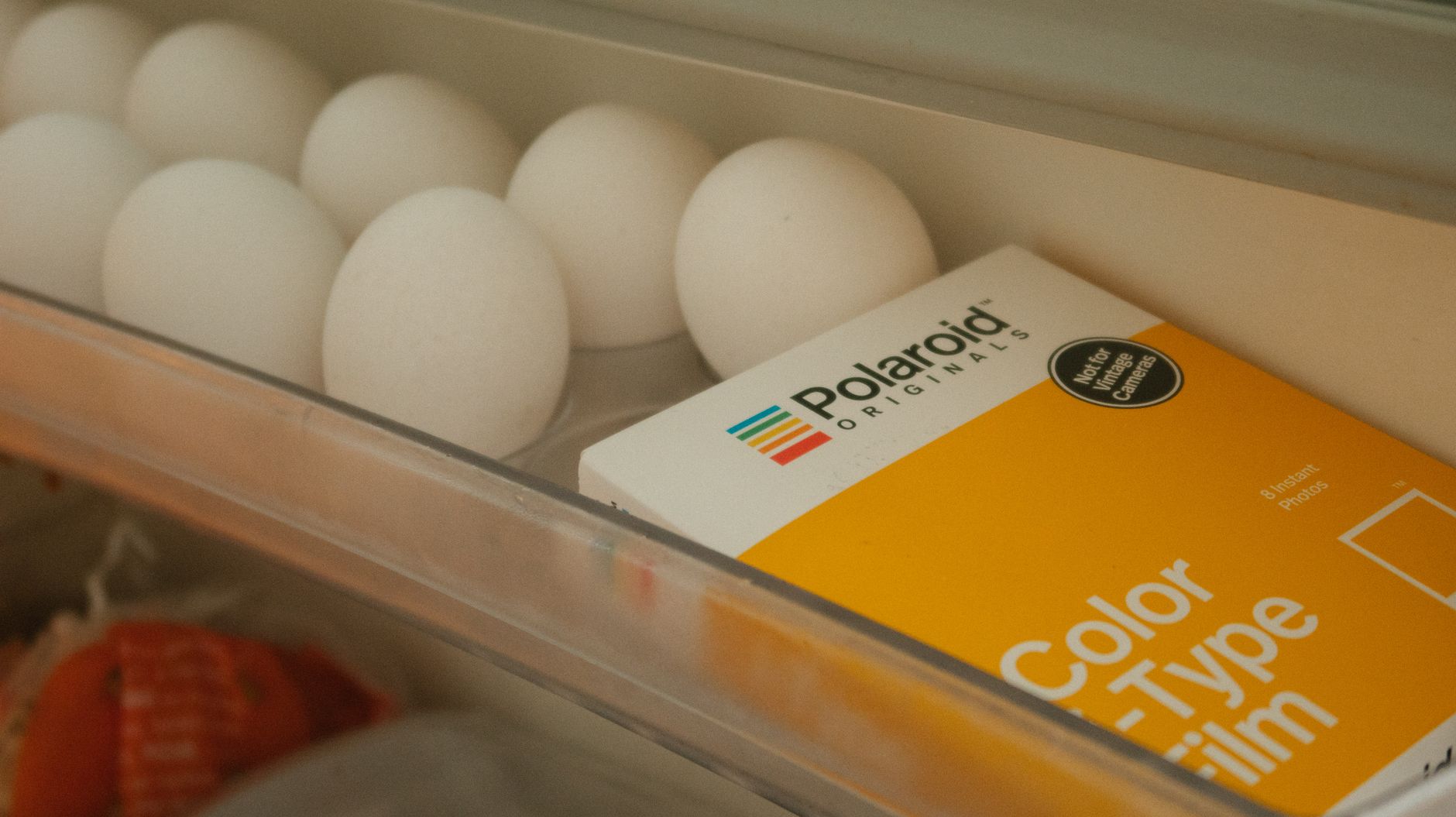
Store them blunt-side-down — pointed side up — and the yolk drifts toward the air pocket. It touches the membrane. The membrane dries out. The egg goes bad faster. My neighbor explained this while holding a brown egg up to the light, showing me the air cell through the shell. I felt like an idiot. I had been doing it backwards my entire life.
How Much Longer Do They Last?
I tested it. Same carton, same fridge. Half the eggs pointed-side-down, half blunt-side-down. The pointed-side-down eggs were still good three weeks past the date on the carton. The others? Tossed at week two. The difference was not subtle.
This works because the eggshell is porous. Air moves in and out slowly. When the yolk stays away from the air cell, the protective membrane stays intact longer. When the yolk presses against it, you get that thin, watery white that spreads across the pan — the first sign an egg is turning.
What About the Fridge Door?
Do not store eggs in the fridge door. I know. Every fridge comes with those cute little egg trays built into the door. They are the worst place for eggs. The door temperature swings every time you open it. Eggs need steady cold — ideally around 40°F, which is the back of a middle shelf, not the door.
I moved mine to the main shelf and the improvement was immediate. Less condensation on the shells. No more eggs that smelled faintly of last night’s leftovers.
The Float Test Still Works
If you are ever unsure whether an egg is good, fill a bowl with cold water and drop the egg in. Sinks and lies flat? Fresh. Stands on end but stays at the bottom? Getting older but still fine to eat. Floats? Toss it. The bigger the air cell, the more it floats. This test lines up perfectly with the pointed-side-down storage logic — you are literally measuring the air cell size.
📋 Quick Summary: Store eggs pointed-side-down on a middle shelf, not in the door. The air cell is at the blunt end and you want the yolk away from it. Your eggs will last weeks longer.