Why I Started Wrapping My Charging Cables in Paracord (And Never Went Back)

I went through six charging cables in two years. At roughly fifteen to twenty dollars each for decent Lightning and USB-C cables, that is somewhere between ninety and a hundred and twenty dollars spent on something that should last for years.
The failure point was always the same: the connector end. The rubber strain relief would split, the inner wires would fray, and eventually the cable would stop charging altogether — or worse, charge intermittently, leaving me waking up to a phone at 12 percent.
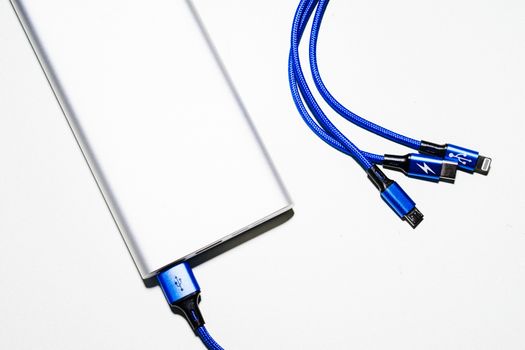
The Accidental Discovery
I was at a camping supply store buying a replacement tent pole when I walked past a spool of 550 paracord — the same stuff used for parachute suspension lines. It was three dollars for fifty feet. I bought it on a whim, not even sure what I would use it for.
That night, my latest charging cable showed the first signs of fraying at the connector end. I looked at the paracord. I looked at the cable. Then I spent ten minutes on YouTube learning how to tie a cobra weave knot.
Why Paracord Works Better Than Heat Shrink
I had tried heat shrink tubing before. It helps, briefly, but it does not provide any actual structural support. Heat shrink sits passively on the cable surface. When you bend the cable, the stress still concentrates at the same weak point.
Paracord is fundamentally different. The woven knot distributes bending force across several inches of cable rather than concentrating it at the connector. When you pull on the cable, the paracord takes the strain, not the delicate internal wires. It is the difference between wearing a brace and wearing a cast.
- Distributes stress — no single weak point to break
- Thickens the grip area — easier to grab and unplug
- Looks distinctive — I never grab someone else’s cable by mistake
- Costs pennies — three dollars of paracord covers a dozen cables
The One Cable That Survived
I wrapped that first cable in June of last year. It is still charging my phone every night, thirteen months later. The paracord has frayed slightly at the very end — cosmetic wear — but the internal wires are intact. Every unwrapped cable I owned during that period has died and been replaced.
📋 Quick Summary: Wrap your charging cable connector ends in paracord using a cobra weave. Distributes stress, costs under a dollar per cable, and triples their lifespan.