Why a French Press Makes Better Coffee Than a Drip Machine
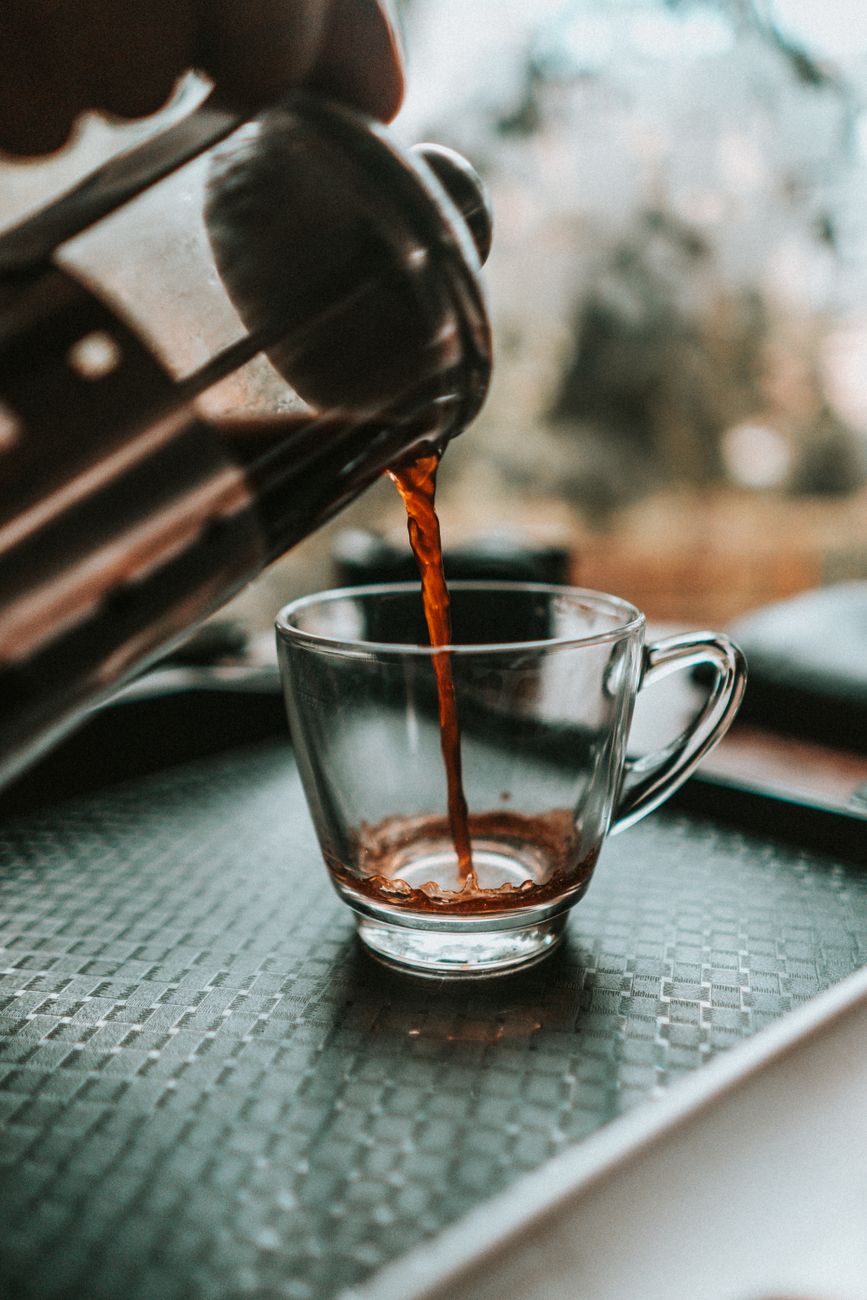
I used a drip coffee maker for a decade. The same Mr. Coffee machine, on a timer, every morning at 6:45 AM. It made coffee. It was fine. Then it died — started leaking water all over the counter — and I grabbed a French press from the back of the cabinet that someone had given me as a gift three years earlier.
The first cup was so much better that I was genuinely annoyed. Annoyed that I had been drinking mediocre coffee for ten years when the solution was sitting in my cabinet the whole time. A French press costs about twenty dollars and makes coffee that tastes richer, fuller, and more like actual coffee beans instead of hot brown water. Here is why.
The science of why it tastes better
A drip machine runs hot water through a paper filter. The paper filter traps the coffee oils — those golden droplets you see floating on the surface of a French press brew. Those oils are where a huge amount of the flavor lives. Drip coffee is missing them. French press coffee keeps them.
Also, a French press is full immersion brewing. The coffee grounds steep in the water for four minutes — like tea — instead of having water poured through them for 30 seconds. Full immersion extracts more flavor compounds, especially the ones that give coffee body and sweetness.
How to make it right (the mistakes that make it bitter)
Most people who try French press and hate it are making one of these mistakes:
- Grinding too fine. French press needs a coarse grind — about the texture of sea salt. Fine grounds slip through the mesh filter and make the coffee muddy and over-extracted. If your coffee is cloudy with sludge at the bottom of the cup, your grind is too fine.
- Water too hot. Let the kettle sit for 30 seconds after boiling before pouring. Water straight off a rolling boil (212°F) scalds the coffee and pulls out bitter compounds. The sweet spot is 195-205°F.
- Steeping too long. Four minutes. Set a timer. Longer than that and you get bitterness. Shorter and you get weak, sour coffee.
The method in four steps
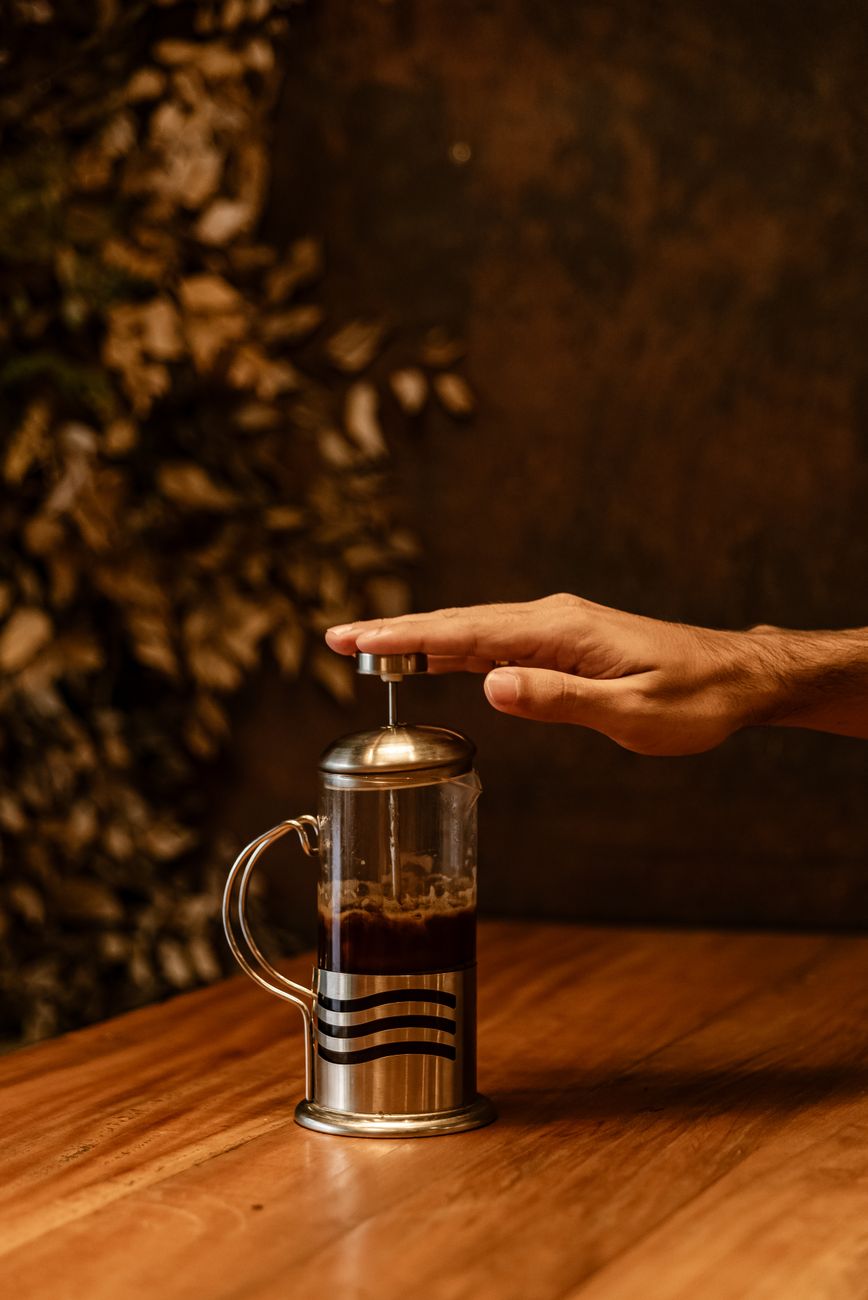
1. Boil water, let it sit 30 seconds. 2. Add coarse-ground coffee to the press (one tablespoon per 4 ounces of water — for a standard 32-ounce press, that is 8 tablespoons or about 50 grams). 3. Pour water evenly over the grounds, stir gently with a wooden spoon, place the lid on with the plunger pulled all the way up. 4. At the four-minute mark, press the plunger down slowly (about 20 seconds). Pour immediately — do not let it sit in the press or it keeps extracting and gets bitter.
Cleanup is the one real downside. You cannot dump the grounds down the sink unless you enjoy paying plumbers. Scoop them into the trash with a spoon, then rinse the press. Some people compost coffee grounds; they are great for gardens.
Which one to buy
The Bodum Brazil (about $20) is the standard. Glass carafe, plastic handle, does the job. If you want something unbreakable, get a stainless steel double-walled press (about $35-50) — it keeps the coffee hot longer and will not shatter if you knock it against the faucet. I broke one glass carafe before switching to steel. Worth the extra fifteen dollars.
📋 Quick Summary: French press keeps the coffee oils that paper filters trap — richer flavor. Coarse grind, water 30 seconds off boil, steep exactly 4 minutes, plunge slowly, pour immediately. Bodum Brazil ($20) is the standard; stainless steel ($35+) if you are clumsy. Cleanup is the only downside.