Winterize Your Garden Hose and Outdoor Faucets
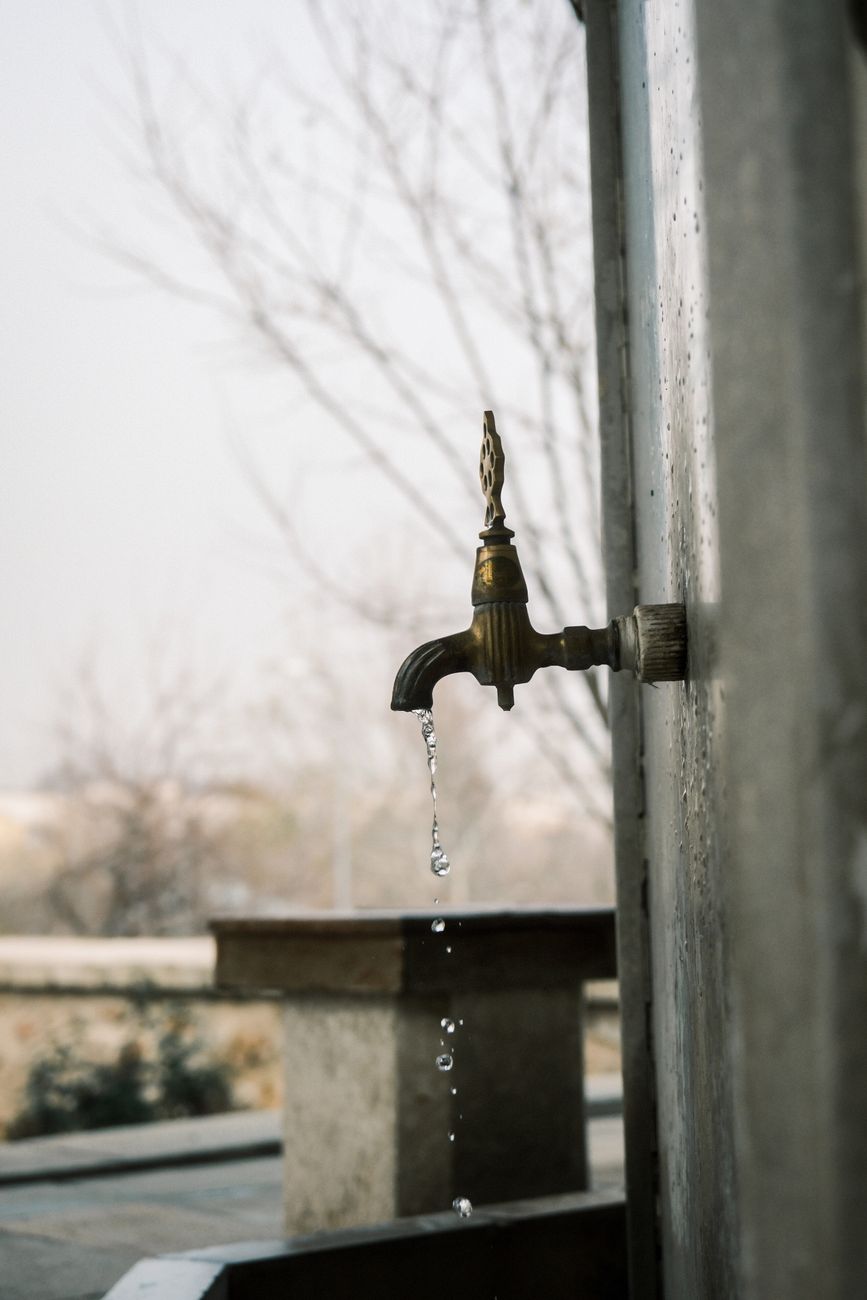
The first year I owned a house, I left the garden hose attached through winter. February came, temperatures dropped to single digits, and I came home to a geyser in my basement. The water in the hose had frozen, expanded backward into the pipe inside the wall, and split the copper. The plumber bill was $800. I have not made that mistake twice.
Winterizing outdoor water lines takes 20 minutes in the fall and saves you from a flooded basement or a burst pipe in the wall. Here is exactly what to do before the first freeze.
Step 1: Disconnect Everything
Unscrew every hose, spray nozzle, timer, and splitter from every outdoor spigot. Drain each hose completely by walking its length with one end raised. Coil and store in a garage or shed. Even “frost-free” hoses can trap water in the fittings.
Step 2: Shut Off the Interior Valve
Find the shut-off valve inside your house for each outdoor spigot — usually in the basement or crawl space, on the wall closest to the faucet. Turn it clockwise to close. If you do not have interior shut-off valves, prioritize insulating the exterior spigot (Step 4).
Step 3: Drain the Pipe
After closing the interior valve, go outside and open the spigot fully. Leave it open. Any water remaining in the pipe between the shut-off and the spigot needs room to expand if it freezes. An open valve gives ice somewhere to go instead of splitting the pipe.
You should see a trickle of water, then nothing. If water keeps flowing, the interior valve did not close completely — call a plumber before winter hits hard.
Step 4: Insulate the Exterior Spigot
Buy an outdoor faucet cover — a foam dome with a rubber gasket that fits over the spigot. They cost $5-10 at any hardware store. In a pinch, wrap the spigot in old towels secured with duct tape and cover with a plastic bag. It looks terrible but it works.
Twenty minutes in October. Eight hundred dollars saved. I now set a calendar reminder every September 15th to buy faucet covers if mine look worn.
📋 Quick Summary: Disconnect and drain all hoses, shut off interior water valves, open exterior spigots to let remaining water escape, and cover each spigot with a foam insulator before the first freeze.