Touch Up Wall Paint Without It Looking Patchy
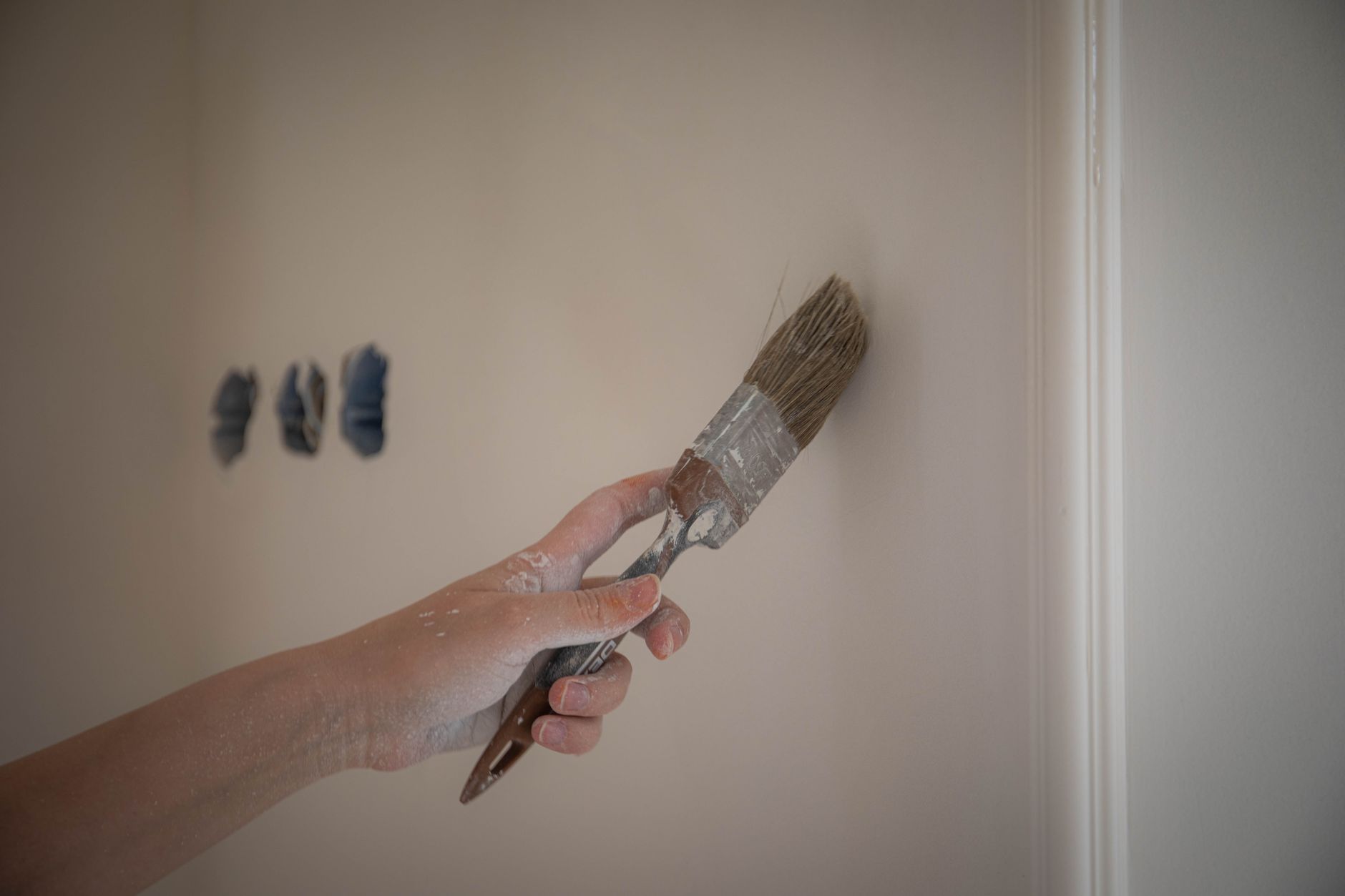
I moved a picture frame and discovered a nail hole the size of a dime. No problem, I thought. I found the leftover paint can in the basement, dabbed some on with a brush, and stepped back. The touched-up spot was darker, shinier, and more obvious than the hole had been.
Turns out touch-up painting has rules. You cannot just dab paint on a wall and expect it to blend. Here is what I learned after ruining a perfectly good wall and then fixing it properly.
Why Touch-Ups Look Wrong
Wall paint ages. Sunlight fades it. Dust settles into the texture. Grease from hands discolors it around light switches. Even if you have the exact same paint from the original can, the wall has changed while the paint in the can stayed the same.
Also — and this is the thing nobody tells you — paint sheen changes with application method. A brush leaves a different texture than a roller, and the sheen (how glossy or matte the surface looks) reflects light differently. Even the same paint applied with a different tool will look like a different color when the light hits it.
” alt=”Paint touch up with small roller”>
The Right Way to Touch Up
- Clean the area first. Wipe with a damp cloth and mild soap. Remove dust and grease. Let it dry completely.
- Use the same applicator type. If the wall was originally rolled, use a small foam roller — not a brush. A 4-inch foam roller costs about three dollars and matches the texture of the larger roller that did the original job.
- Feather the edges. Do not paint a sharp square of new paint. Roll the paint on the damaged spot, then immediately roll outward with less pressure so the edges thin out and blend into the surrounding wall. You are creating a gradient, not a patch.
- Thin the paint slightly. Add a few drops of water to latex paint (or mineral spirits to oil-based). This helps the new paint flow into the existing surface texture instead of sitting on top like a sticker.
When Touch-Up Will Not Work
If the wall was painted more than two years ago and gets direct sunlight, the color has faded. Your old paint can will not match. In this case, you have two options: paint the entire wall corner-to-corner (about an hour of work and looks perfect), or touch up and accept that it will be visible from certain angles in certain light.
Flat and matte finishes are the most forgiving for touch-ups. Satin and semi-gloss show every brush stroke and angle difference. High-gloss is nearly impossible to touch up invisibly — you are almost always better off repainting the whole surface.
The dime-sized hole behind my picture frame? After learning these rules, I fixed it properly. My partner could not find the spot even when I told her where to look.
📋 Quick Summary: Clean the area, use a small foam roller (not a brush), feather the edges outward, and thin the paint slightly with water. Flat finishes touch up best. Sun-faded walls may need a full corner-to-corner repaint.