How to Hang Heavy Mirrors Without Studs
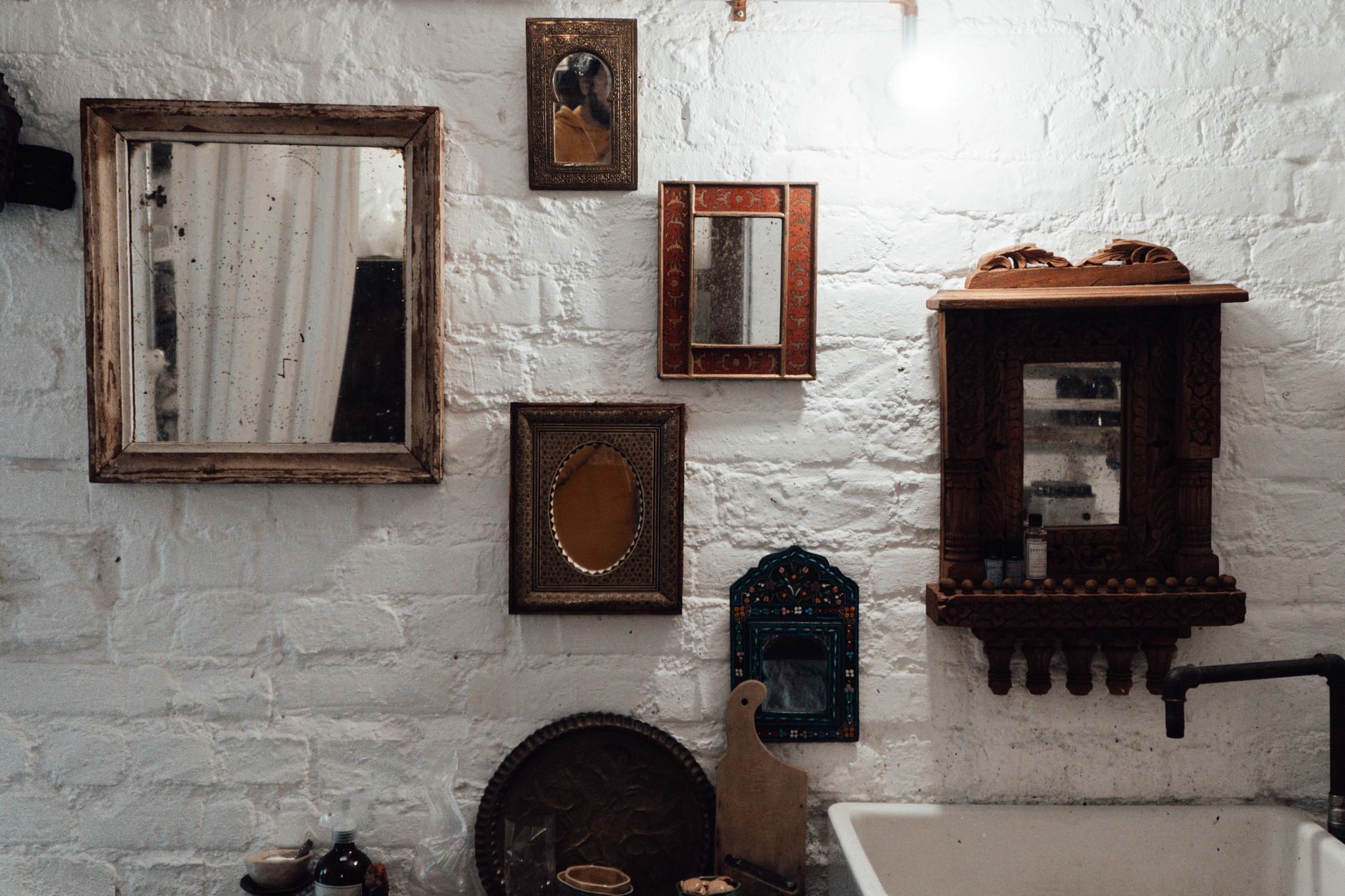
I hung a forty-pound mirror in my living room using a drywall anchor rated for fifty pounds. It fell off the wall at three in the morning. The crash sounded like a car hitting the house. The mirror survived. The wall did not. There was a hole the size of my fist.

The problem was not the anchor’s weight rating. It was that I had used the wrong type of anchor for the weight. Since then I have hung mirrors, heavy art, and floating shelves in five different apartments. Here is what I learned the hard way so you do not have to.
The Weight Classes Matter
Not all drywall anchors are equal. The plastic expansion anchors that come in the little bag with your shelf are good for maybe twenty pounds. Anything heavier needs a different approach.
- Under 20 pounds: Plastic expansion anchors or simple picture hooks are fine. Use two hooks spaced apart for anything over ten pounds to distribute the weight.
- 20 to 50 pounds: Toggle bolts or snap-toggle anchors. These have metal wings that open behind the drywall, spreading the load across a much larger area. My forty-pound mirror now hangs on two snap-toggles rated for seventy-five pounds each. It has not moved in two years.
- 50 to 100 pounds: You really should find a stud. But if you absolutely cannot, use four toggle bolts in a rectangular pattern. Two on top, two on bottom. This is pushing the limits of drywall and I would not hang anything irreplaceable this way.
- Over 100 pounds: Find a stud. Or mount a piece of plywood across two studs and hang the mirror from that. Do not try to hang this much weight on drywall alone.
How to Install a Toggle Bolt
Toggle bolts look complicated but they are not:
- Drill a hole through the drywall. The package tells you what size bit — usually half-inch.
- Remove the metal toggle from the bolt. Thread the bolt through your mirror’s mounting bracket or D-ring first.
- Screw the toggle back onto the bolt, leaving about an inch of thread. The toggle wings need to spring open behind the wall.
- Fold the toggle wings flat against the bolt and push the whole thing through the hole. You will hear a satisfying click when the wings open on the other side.
- Pull the bolt gently toward you to seat the toggle against the back of the drywall. Then tighten with a screwdriver until snug.
The key is not over-tightening. The toggle needs to grip the back of the drywall firmly but not crush it. Stop when you feel resistance increase sharply.
One More Thing: The Tape Trick
Before drilling, put a piece of painter’s tape over the spot where you plan to drill. It prevents the drywall from cracking or blowing out around the hole. I skipped this step once. The hole looked like a crater. The tape takes three seconds and makes a clean hole every time.
That cracked wall at three in the morning was a memorable lesson. I patched the hole, bought the right anchors, and hung the mirror properly. It is still on the wall. I check the bolts occasionally. Still tight. Still there.
Quick Summary: Under 20 lbs: plastic anchors. 20-50 lbs: toggle bolts. 50-100 lbs: four toggle bolts or stud. Over 100 lbs: stud only. Use painter’s tape before drilling to prevent cracking. Do not over-tighten toggle bolts.