The Trick to Drilling Into Tile Without Cracking It
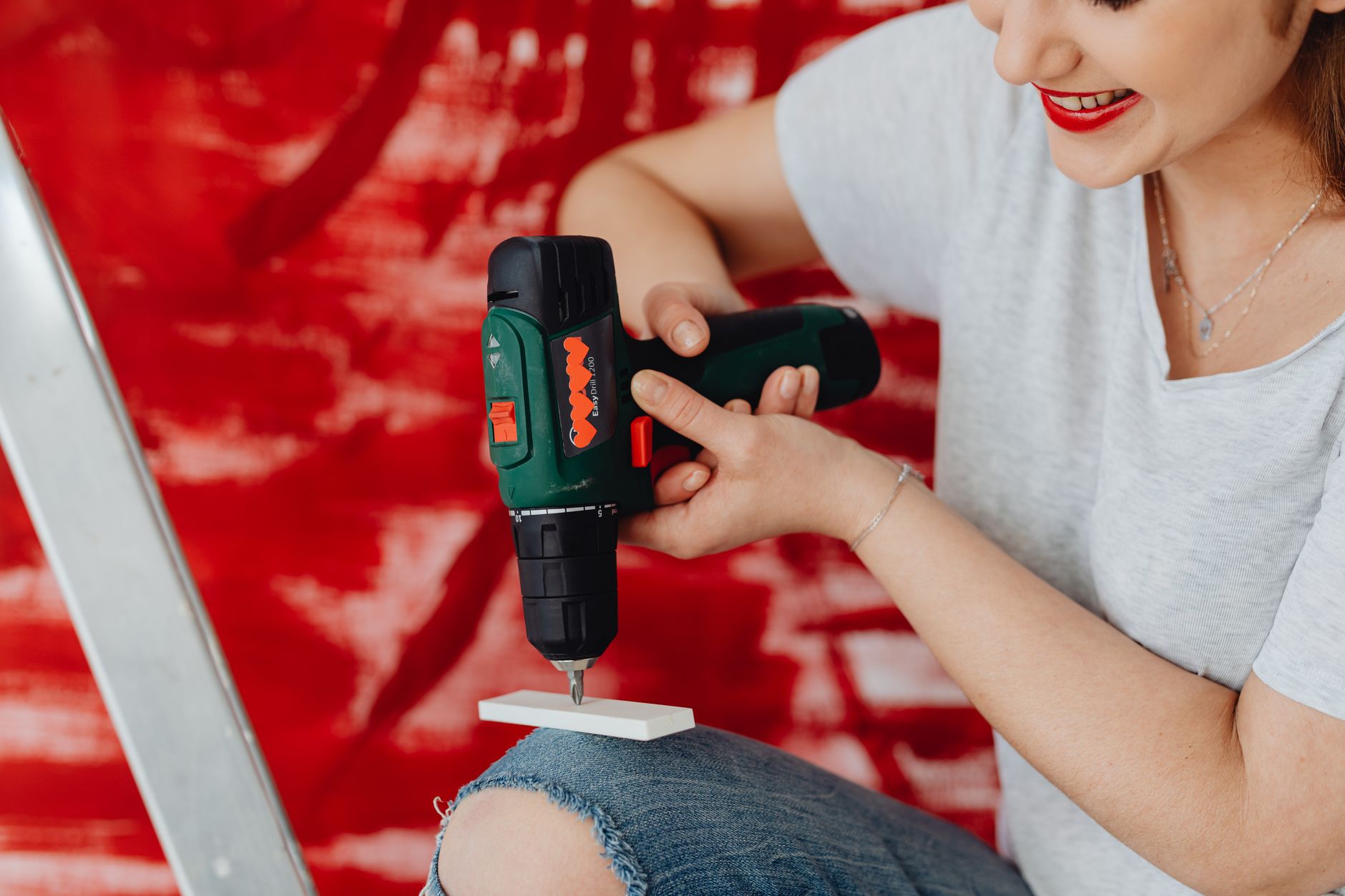
I cracked a bathroom tile on my first attempt. Brand new backsplash. First hole. The bit skated across the surface the moment I pulled the trigger, and by the time I got control of it, there was a hairline crack running from the hole to the edge of the tile.
I stared at it for a long time. Then I learned the right way and drilled the remaining five holes perfectly.

Why Tile Cracks When You Drill
Two reasons. First, the glaze on ceramic and porcelain tile is harder and more slippery than the clay body underneath. The bit cannot bite into the glaze — it skids. Second, too much pressure or the wrong bit creates vibration that the brittle tile cannot absorb. The vibration becomes a crack.
The Three-Step Method That Works Every Time
- Tape the spot. Put a piece of masking tape or painter’s tape over where you want the hole. Mark the exact spot on the tape with a pencil. The tape gives the drill bit something to grip and prevents the bit from skating on the glaze.
- Use the right bit. A regular drill bit will not work. You need a carbide-tipped masonry bit or a diamond-tipped tile bit. The masonry bit is cheaper and works fine for ceramic. For porcelain — which is harder — spend the extra on a diamond bit.
- Start slow, go steady. Set your drill to low speed. Position the bit on the tape mark at a 90-degree angle. Start drilling with very light pressure — let the bit do the work. Once you are through the glaze (about 1/8 inch), you can increase speed slightly.
Do not use hammer mode. Hammer drills are for concrete and brick. On tile, the hammering action guarantees a crack.
The Water Trick for Porcelain
Porcelain tile generates more heat while drilling. Have someone hold a wet sponge against the bit as you drill, or dip the bit in water every ten seconds. If the bit gets too hot to touch, it is damaging the tile and dulling itself.
I have since drilled into tile in three different bathrooms without a single crack. The tape trick alone is worth the thirty seconds it takes.
📋 Quick Summary: Put masking tape over the drill spot, use a carbide or diamond tile bit, start slow with no hammer mode. For porcelain, keep the bit cool with water. The tape stops the bit from skating on the glaze.