The Toilet Unclogging Method Better Than a Plunger
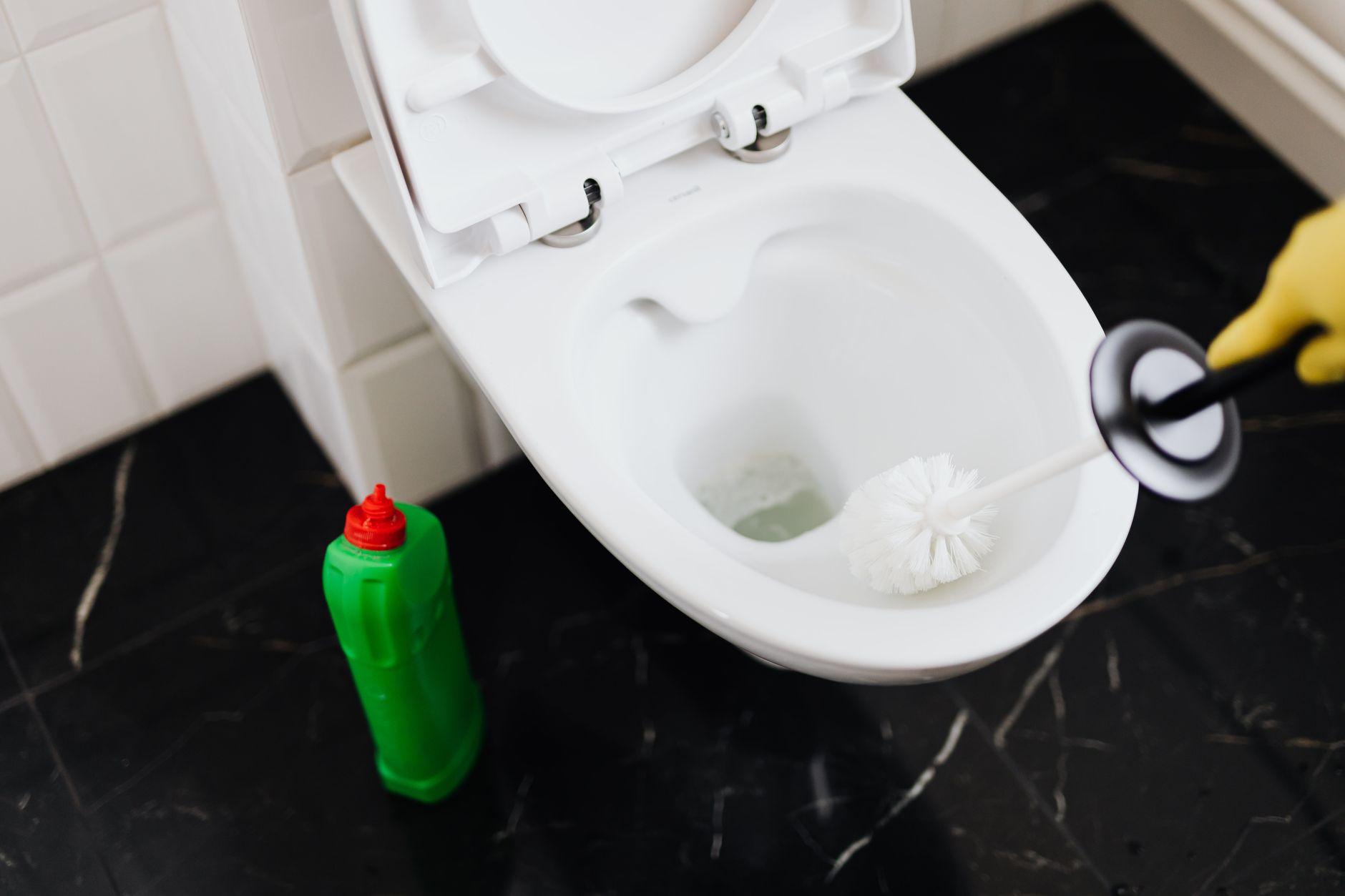
Sunday night, guests over for dinner, and the toilet clogged. No plunger in that bathroom — I had moved it to the other one months ago and forgotten. I stood there for a solid minute trying to figure out if I could just… lock the door and pretend nothing happened.
My wife googled “unclog toilet without plunger” on her phone while I guarded the hallway. The dish soap and hot water method popped up. I was skeptical. Desperate, but skeptical. Five minutes later the toilet flushed normally and nobody at the dinner party ever knew.
Here is the method that saved me, plus a couple of other options that actually work.
The dish soap and hot water method (works 90% of the time)
Squirt a generous amount of liquid dish soap into the toilet bowl — about a quarter cup. Let it sit for five to ten minutes. The soap works its way down and lubricates the clog. It coats the waste and the pipe walls so everything slides instead of gripping.
While the soap sits, heat up a pot of water — not boiling, just hot tap water (about 120°F). Boiling water can crack the porcelain. Pour it into the bowl from waist height — the force of the pour combined with the heat and soap usually breaks the clog loose. Do not pour from a few inches above the water; the height creates pressure.
Wait a minute. If the water level goes down, flush. If it just sits there, the clog is deeper. Try the baking soda method next.
The baking soda and vinegar method (for deeper clogs)
Pour one cup of baking soda into the toilet bowl, followed slowly by two cups of white vinegar. It will fizz violently — this is the reaction you want. The fizzing action creates pressure inside the pipe that can push a clog through. Let it work for 30 minutes or overnight for a really stubborn clog, then flush.
This works best on organic clogs — waste, toilet paper, that kind of thing. If your kid flushed a toy or a washcloth, no amount of baking soda is going to dissolve it. You need a plumbing snake for that.
What not to do
Do not flush again. If the bowl is full and you flush, it overflows. Now you have a clogged toilet AND a flooded bathroom floor. Just do not.
Do not use Drano or liquid drain cleaner in a toilet. Those chemicals are for sink and shower drains. In a toilet they can generate enough heat to crack the porcelain, and they will not effectively break down solid waste anyway.
Do not use a wire coat hanger unless you have already accepted that your toilet bowl will have permanent scratches. The metal is harder than porcelain glaze.
When you actually need the plunger or snake
If soap and hot water did nothing, and baking soda and vinegar did nothing, and you have waited an hour — now you need mechanical force. Get a flange plunger (the kind with the extra lip inside the cup, specifically designed for toilets), not a sink plunger. Or rent a toilet auger from a hardware store for about fifteen dollars. The auger reaches deeper into the pipe than a plunger can.
📋 Quick Summary: Dish soap in bowl, wait 5-10 minutes, pour hot (not boiling) water from waist height. For deeper clogs: baking soda + vinegar, let fizz 30 minutes. Do not flush a full bowl. Do not use Drano in toilets. Plunger or auger as last resort. The soap method has saved me three times now.