The Thrift Store Side Hustle That Funds My Weekend Trips
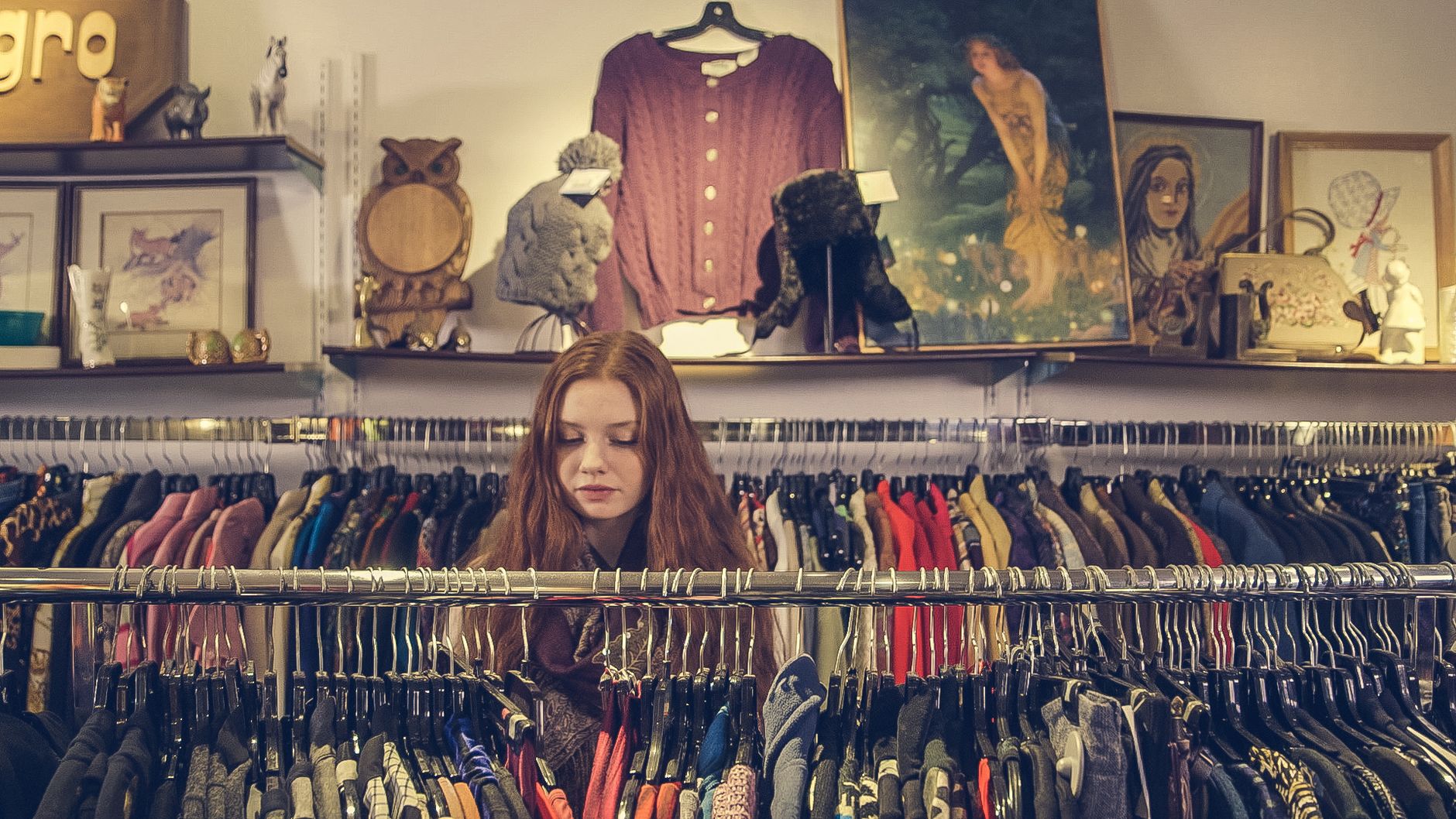
I started selling secondhand stuff online because my closet was full and my weekend budget was empty. Two years later, the money from that closet cleanout funds every trip I take. It is not a huge amount, maybe two hundred dollars a month, but it pays for gas, campsites, and the occasional motel.
The whole thing runs on one rule: never buy anything at a thrift store that you would not pay full price for.
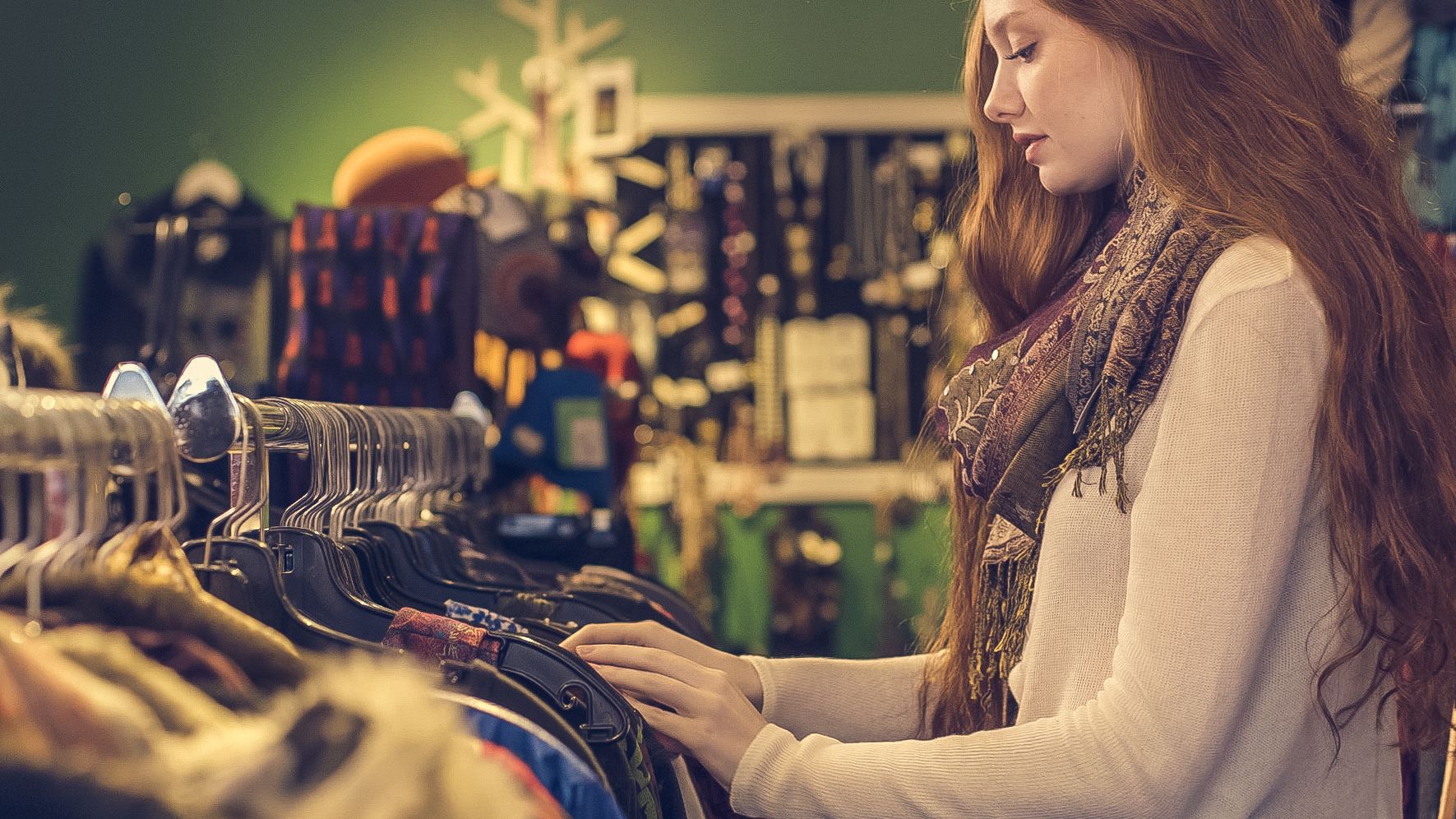
Start with What You Own
Do not go shopping to start this. Go through your own closet, garage, and kitchen cabinets first. I found designer jeans I had not worn in years, a cast iron pan I got as a gift and never used, and a box of vintage books. That first batch sold for over a hundred dollars.
Know What Sells
The stuff that moves fast for me:
- Workwear brands like Carhartt and Dickies
- Vintage denim, especially Levi’s from before the 2000s
- Cast iron and enamel cookware
- Board games with all the pieces
- Name-brand shoes in clean condition
Check sold listings on resale sites before you buy anything. The price people list an item for and the price it actually sells for are two different numbers.
Photograph in Daylight
My sales doubled when I started taking photos by a window instead of under a kitchen light. Listings with good photos sell for more and sell faster. You do not need a fancy setup, just natural light and a clean background.
Keep the Receipts Simple
I track every item in a spreadsheet: what I paid, what I sold it for, and what it cost in fees. The numbers keep me honest. Some items I bought to flip made me a loss, and the spreadsheet stopped me from repeating those mistakes.
The side effect nobody warns you about: your own closet stays cleaner because you finally understand the value of what is in it.
📋 Quick Summary: Start with your own stuff, learn what sells by checking sold prices, photograph in daylight, and track every item in a spreadsheet.