My Bathroom Grout Turned Pink and I Couldn t Sleep Until I Fixed It
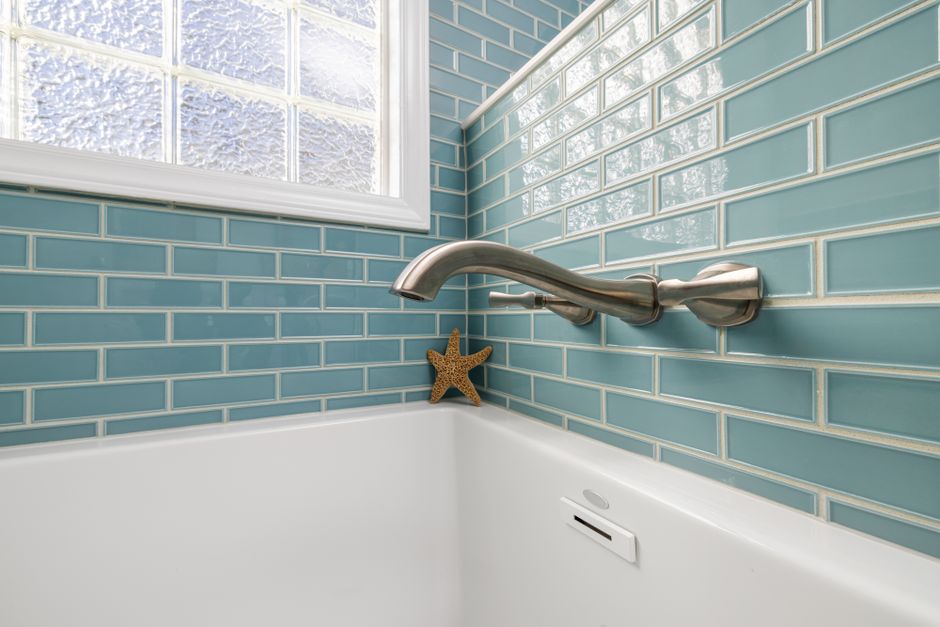
The grout in my bathroom was pink. Not a soft, decorative pink. A splotchy, uneven, vaguely organic pink that suggested something was growing in the spaces between my tiles. Something was growing. It was a bacteria called Serratia marcescens, which thrives in the warm, damp environment of a bathroom and feeds on the fatty acids in soap scum and shampoo residue. I learned this after a frantic Google search at one in the morning, lying in bed, unable to sleep because I couldn’t stop thinking about the fact that my bathroom was slowly becoming a petri dish.
Understanding the Problem
📸 Photo by Liliana Drew on Pexels
My initial attempts to remove the pink stain failed completely. Bleach spray lightened it temporarily, but it came back within days. Scrubbing with a brush and bathroom cleaner did nothing. The bacteria had colonized the porous grout surface, and surface-level cleaning wasn’t reaching deep enough to eliminate it.
The solution that finally worked came from a cleaning forum post that I initially dismissed as too simple to be effective. Hydrogen peroxide. Not the three-percent solution in the brown bottle from the drugstore, but a higher-concentration cleaning-grade peroxide mixed with baking soda to form a paste.
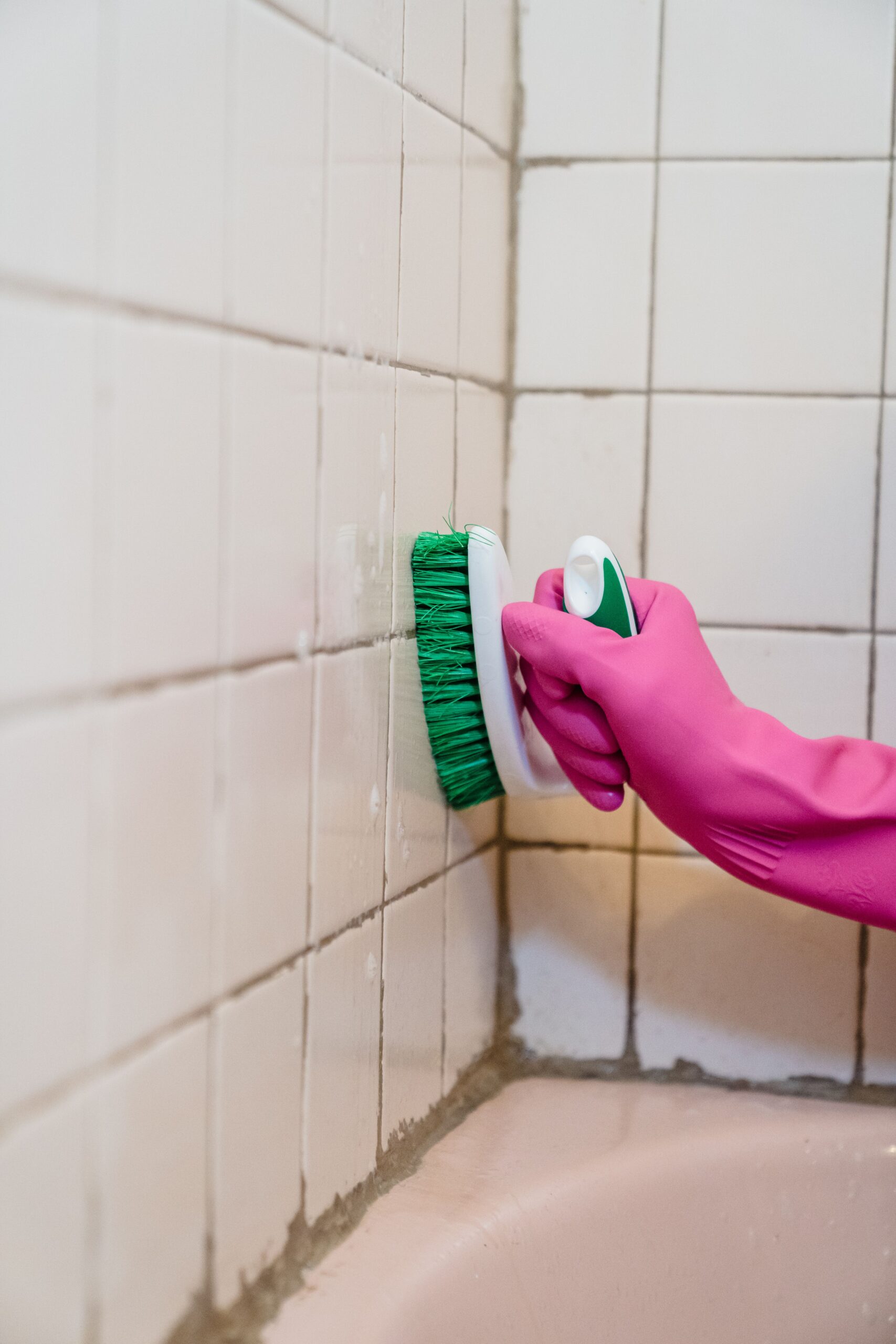
I mixed enough baking soda with hydrogen peroxide to create a thick paste about the consistency of toothpaste. I applied it to the affected grout lines, using an old toothbrush to work it into the porous surface. I let it sit for at least thirty minutes. The peroxide is an oxidizer that kills the bacteria at a cellular level, and the baking soda provides a mild abrasive action and maintains the paste’s contact with the surface. After thirty minutes, I scrubbed the grout lines with the toothbrush, then rinsed with warm water and dried with a towel.
The Proven Solution
The pink was gone. More importantly, it stayed gone. I repeated the treatment monthly for a few months as a preventive measure, and the bacteria never reestablished itself.
Long-Term Prevention Tips
For general grout cleaning, not just the pink bacteria problem, I now use the same paste but with a slightly different approach. I apply the paste, let it sit for fifteen minutes, then scrub with a stiff-bristled grout brush. For white grout that has yellowed over time, I add a few drops of dish soap to the paste, which helps cut through the oily residues that have bonded to the grout.
The most important thing I learned about grout is that prevention is vastly easier than remediation. After cleaning, I sealed my grout with a penetrating grout sealer, which is a clear liquid that soaks into the grout and makes it water-repellent. Sealed grout doesn’t absorb moisture, which means bacteria can’t colonize it as easily. The sealer needs to be reapplied every year or two, which takes about twenty minutes and is the best time investment in bathroom maintenance I’ve ever made.
I also run the bathroom exhaust fan during every shower and for at least twenty minutes afterward. Reducing the ambient humidity in the bathroom makes the environment less hospitable to microbial growth. Between the sealer and the fan, my bathroom has been pink-free for over two years.