The Skewer Test for Perfectly Baked Cakes Every Time
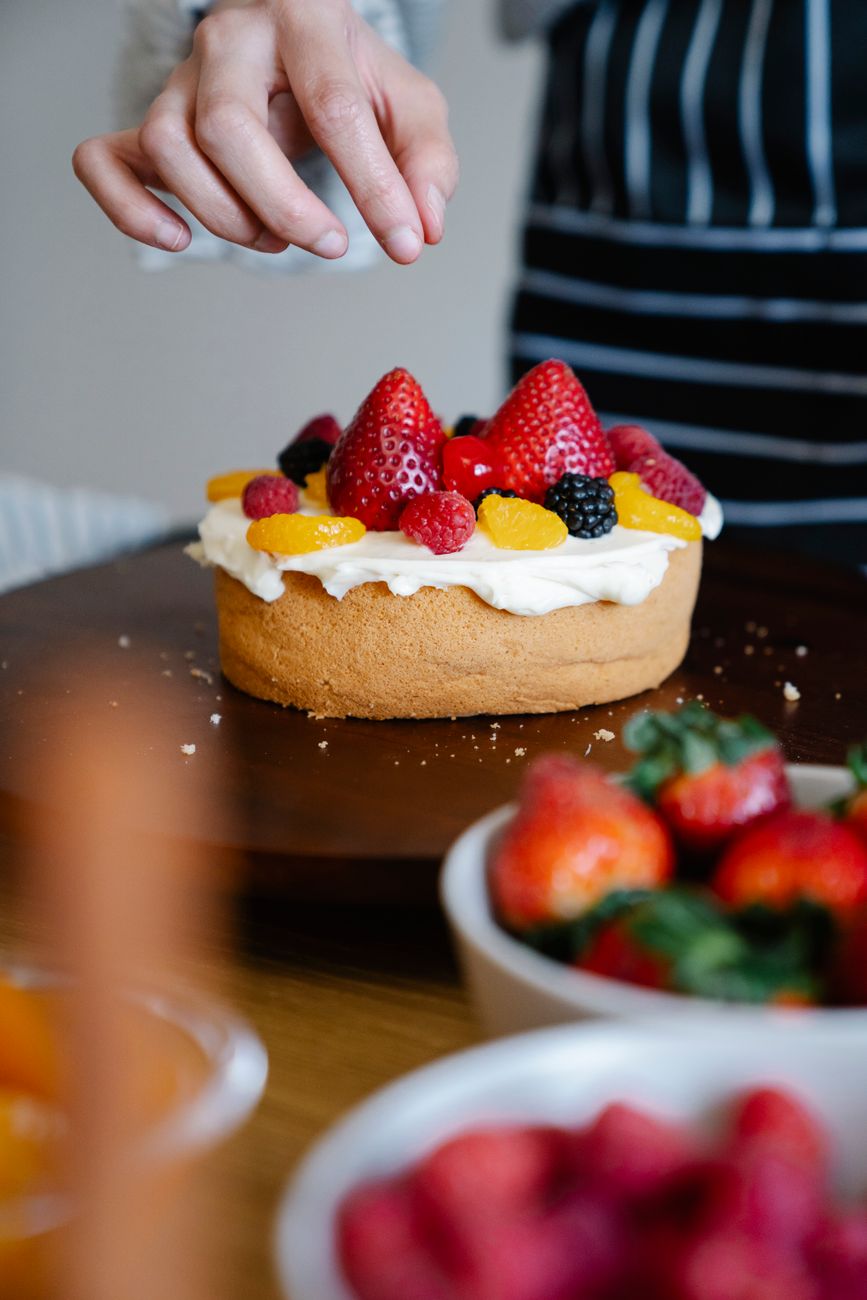
I baked a birthday cake for my mom a few years back that looked flawless on the outside. Golden top, no cracks, and the kitchen smelled incredible. I pulled it out, let it cool, and cut straight into a raw, gummy center. The toothpick I used came out clean, but only because I had poked it in the wrong spot.
Turns out the skewer test only works if you know where to stick it.
Where you poke matters
Push the skewer into the middle of the cake, not near the edge. The edges bake first, so they come out clean while the center is still wet. Go straight down into the thickest part and pull it out slowly.
What you are looking for:
- A few moist crumbs clinging to the skewer: pull the cake out, it is done.
- Wet batter: it needs more time in the oven.
- Bone dry: you are a little late, but it will still taste fine.
No toothpick? No problem
A wooden skewer is best because crumbs stick to it. In a pinch, use a thin paring knife, a piece of uncooked spaghetti, or a bamboo chopstick. Skip metal testers entirely. They slide out clean even from raw batter, which is how I fooled myself that first time.
My rule of thumb: check at the low end of the bake time, then every few minutes after. Most cakes are done five to ten minutes before the recipe says they will be.
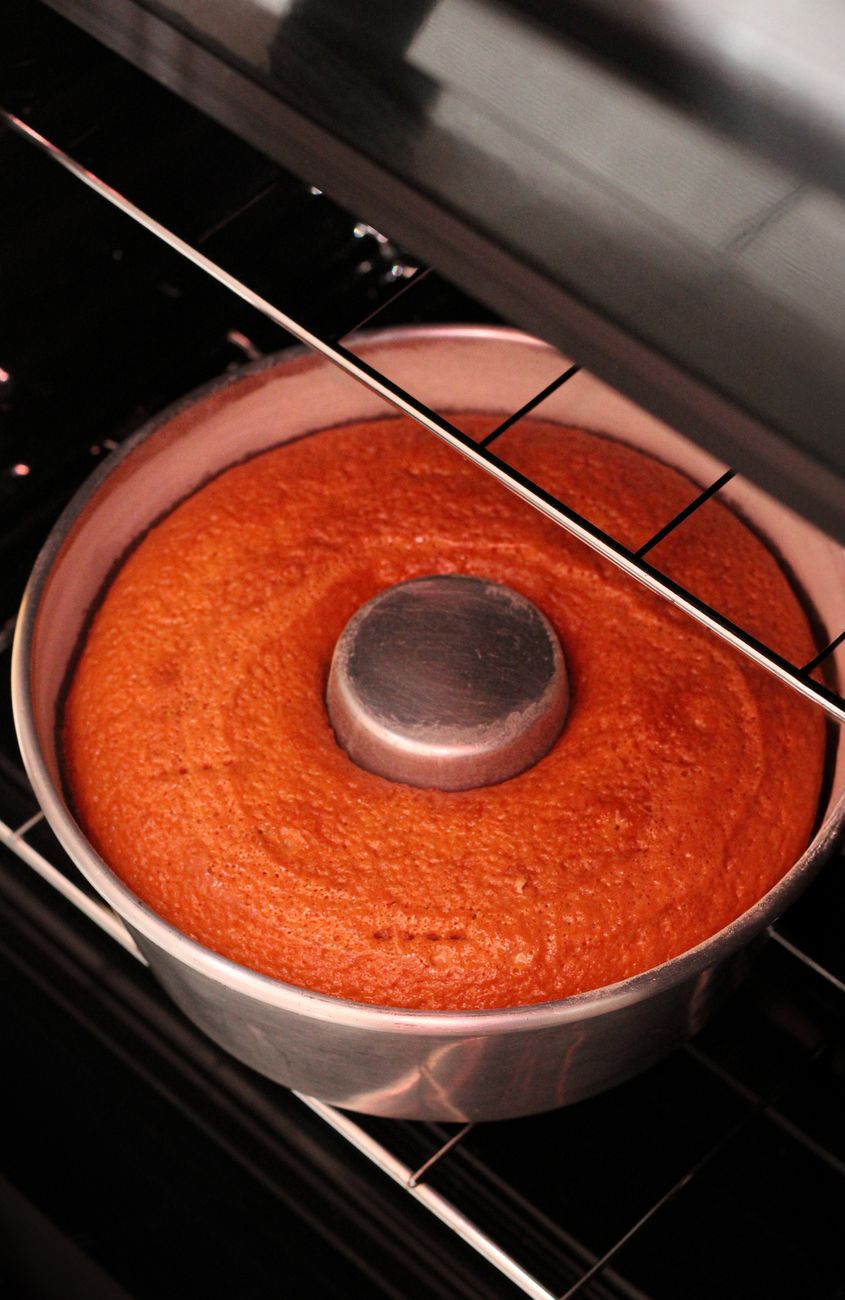
That is it. I have not had a raw middle since that birthday disaster, and I still think about it every time I open the oven door.
📋 Quick Summary: Test the center, not the edge, and watch for moist crumbs on a wooden skewer.