Why Your Cookies Spread Too Thin and How to Fix the Dough
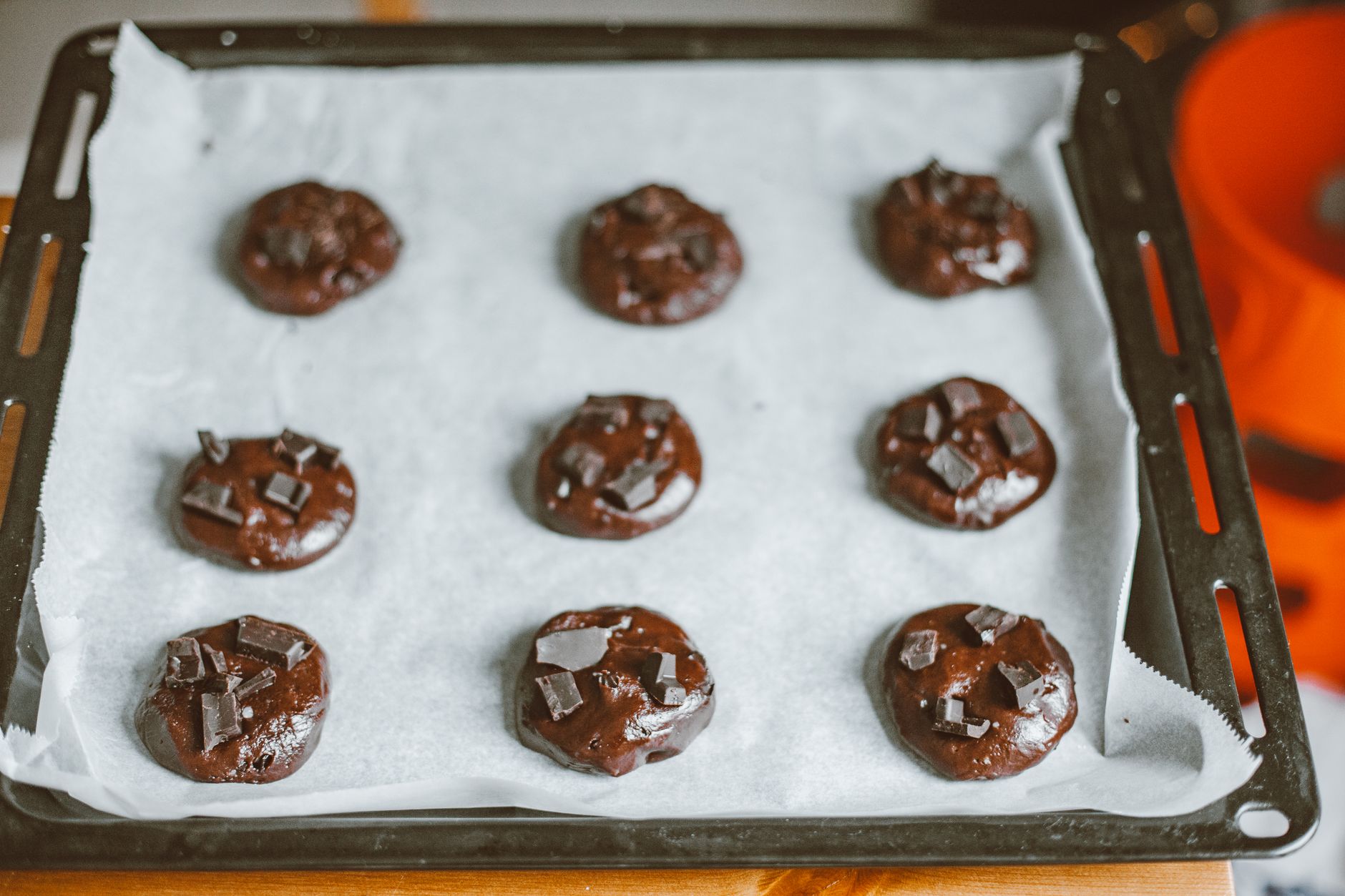
Chill the dough. That is the whole fix, and it is almost never what people want to hear. I know, because I spent a full year baking flat, greasy cookies and telling myself the recipe was bad.
The recipe was fine. My butter was warm and my dough was room temperature.
Why Cookies Spread
Cookie dough spreads when the butter melts before the structure of the cookie sets. Warm butter starts melting the second it hits the oven, so the dough relaxes and flattens before it has a chance to rise.
Cold dough gives the cookie time to set its edges before the butter fully melts. That is the difference between a puffy center and a flat pancake.
The Fix in Three Steps
- Use butter straight from the fridge when you mix, not softened butter that sits out
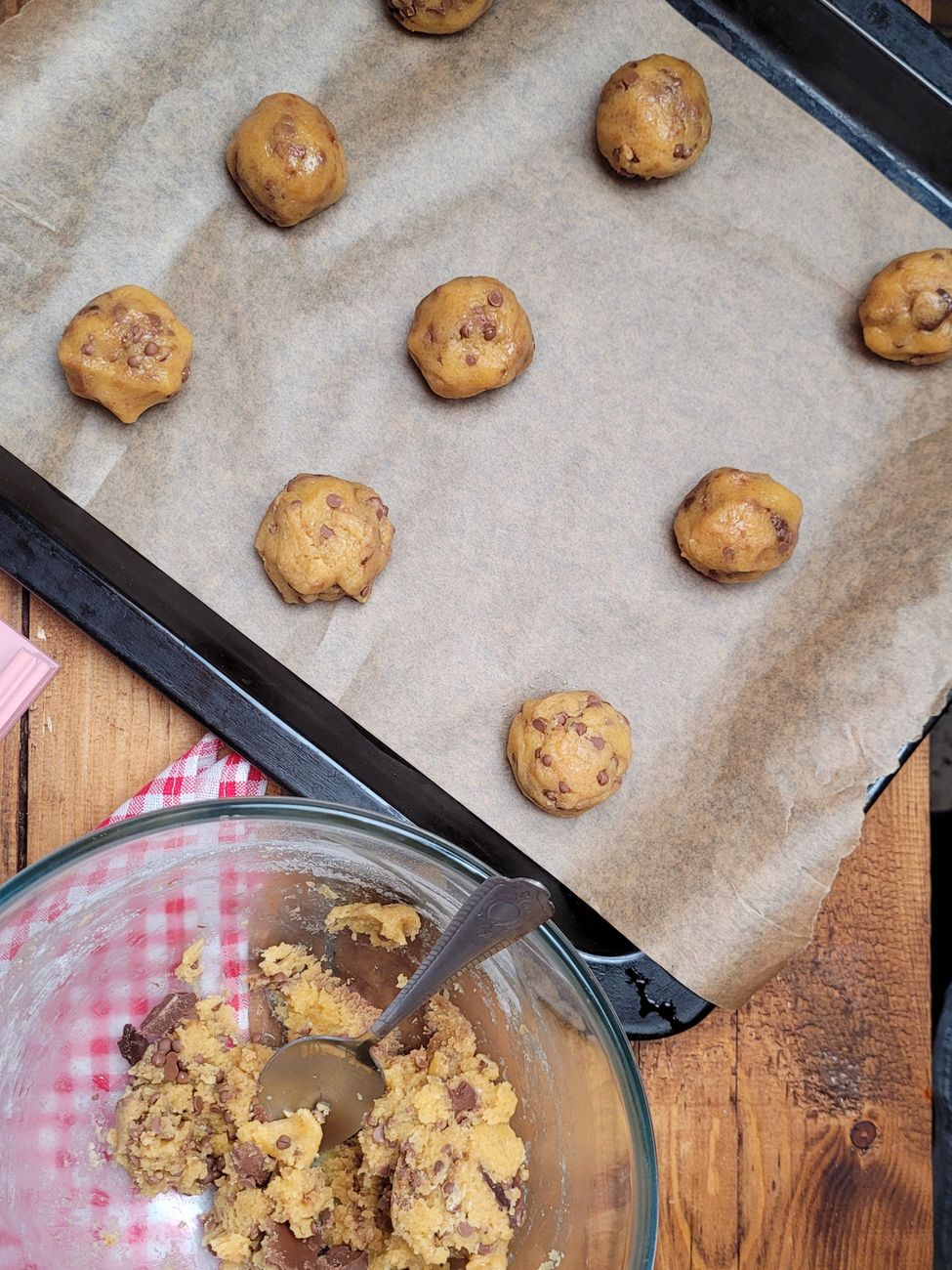
- Scoop the dough into balls first, then chill the balls for at least thirty minutes
- Bake straight from the fridge on a cool sheet
The scoop-then-chill step was the one I always skipped. I chilled the whole bowl, scooped, and by the time the last tray went in, the first balls had warmed up again.
Check Your Oven Temperature
An oven that runs cool makes cookies spread more because the butter melts long before the heat kicks in. I bought a cheap oven thermometer after my cookies kept coming out flat, and my oven was running twenty-five degrees low.
Other culprits:
- Too much sugar, which lowers the melting point
- Warm baking sheets, so reuse them only after they cool
- Overbeating the butter and sugar into a loose cream
Now I scoop, chill, and bake, and my chocolate chip cookies actually look like cookies. The first time it worked I did not trust it, so I baked a second batch to make sure.
📋 Quick Summary: Chill the scooped dough for at least thirty minutes and check your oven temperature so the cookies set before the butter melts.